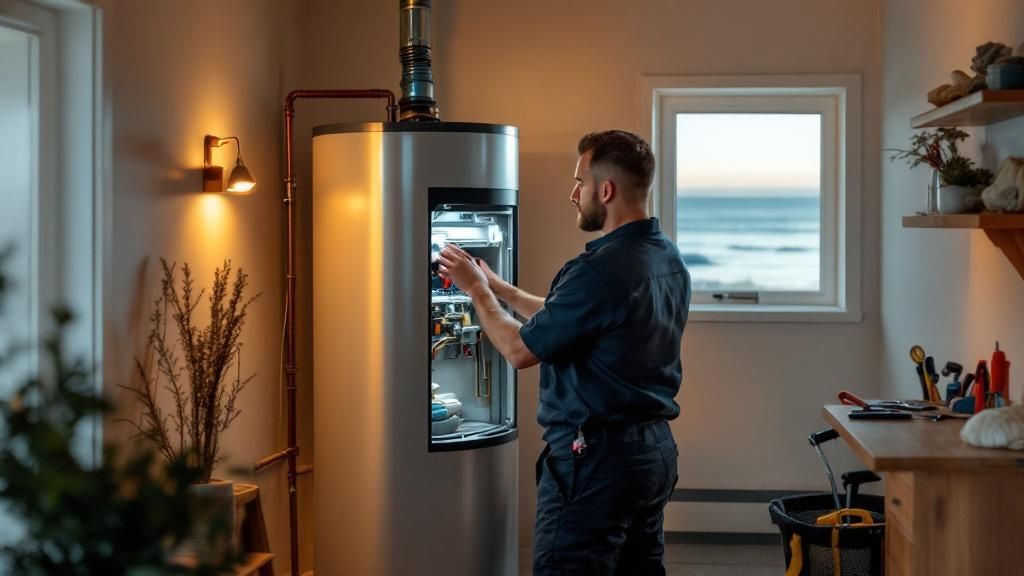
For homeowners anywhere from Salinas to Carmel-by-the-Sea, a proper water heater maintenance schedule is the secret to getting a long, efficient life out of your unit. Let's be honest, staying on top of routine care helps you avoid those surprise breakdowns—especially with the hard water we have here on the Central Coast. It all starts with understanding a basic timeline for service and why it's so important for our local conditions.
Why Your Water Heater Needs a Maintenance Schedule
A water heater is one of those household heroes that works tirelessly in the background. Until one day, it doesn't. It's easy to forget about it, but that "set it and forget it" mindset is what leads to ice-cold showers, sky-high energy bills, and sudden, expensive replacements. A simple maintenance schedule is your best defense against these headaches.
Here in Monterey County, our water heaters face some unique challenges. The mineral-rich water in communities like Prunedale and Castroville causes sediment to build up inside the tank. This layer of gritty scale settles at the bottom, forcing the heating element to work much harder to heat your water. The result? Wasted energy and a whole lot of extra wear and tear.
As a family-owned business that’s been serving this community since 1988, we’ve seen it all. Time and again, we've watched a simple maintenance plan save families from the stress of a failed water heater, especially during our damp coastal winters when a hot shower is an absolute must.
The True Cost of Neglect
Putting off water heater maintenance doesn't actually save you money; it just kicks the can down the road. Most traditional tank-style water heaters are built to last between 10 to 13 years, but that lifespan is counting on proper care. Following a routine helps you sidestep common issues like leaks that mess with water pressure and temperature, which can prevent a total system failure down the line.
The infographic below breaks down the key milestones for a typical maintenance timeline.
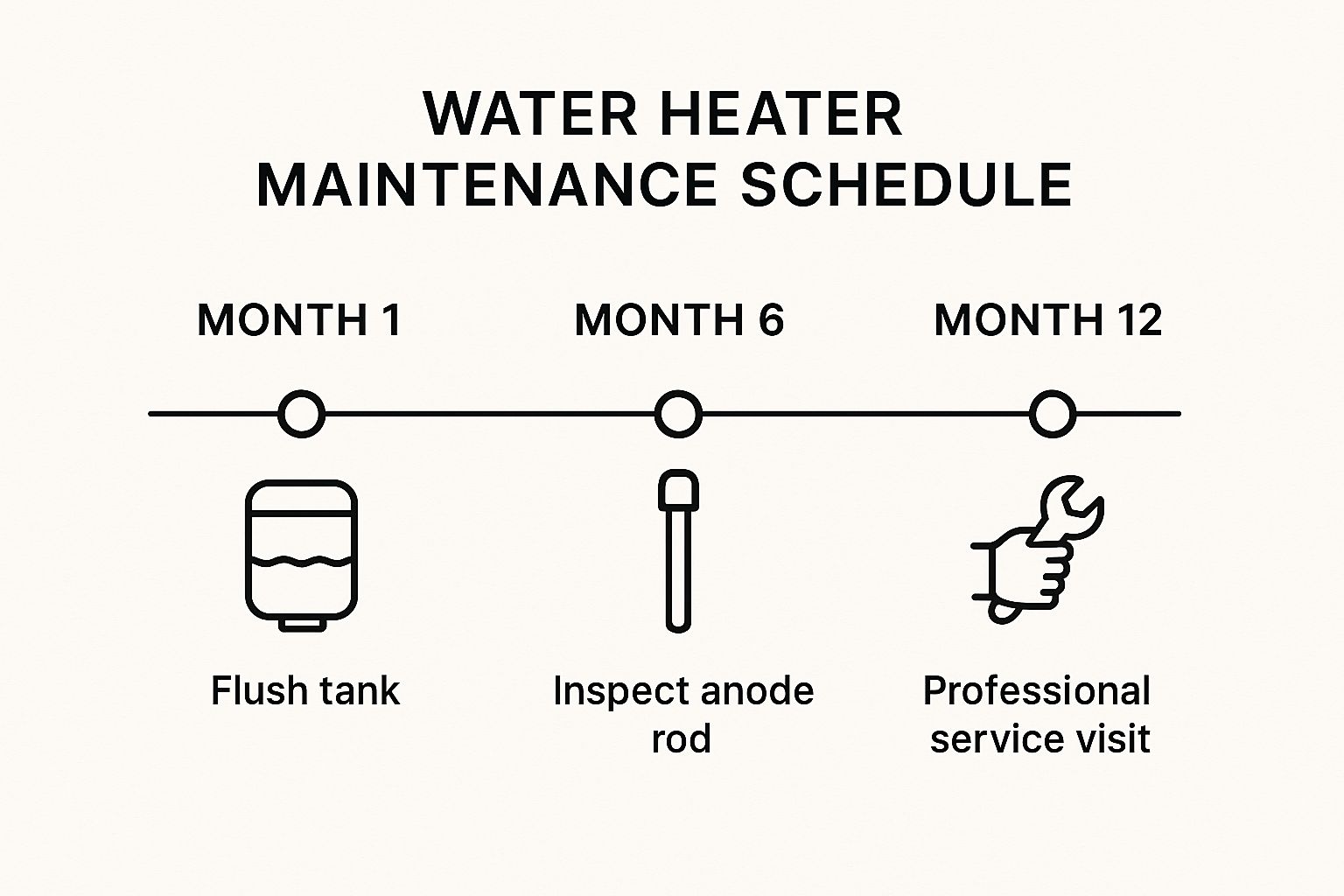
The main idea here is that proactive checks are spread throughout the year, with everything leading up to a crucial professional service visit to guarantee safety and peak performance. By sticking to this rhythm, you can seriously extend your unit's life and learn more about how to https://alvarezplumbingsalinas.com/get-the-most-of-your-water-heater/ in our detailed guide.
Beyond just your own home, keeping your water heater in good shape contributes to your property's overall health and value—a big deal for anyone in a managed community. For more on general upkeep, you might find these HOA common area maintenance tips useful. At the end of the day, a well-maintained home is a protected investment.
Your Annual Professional Maintenance Checklist
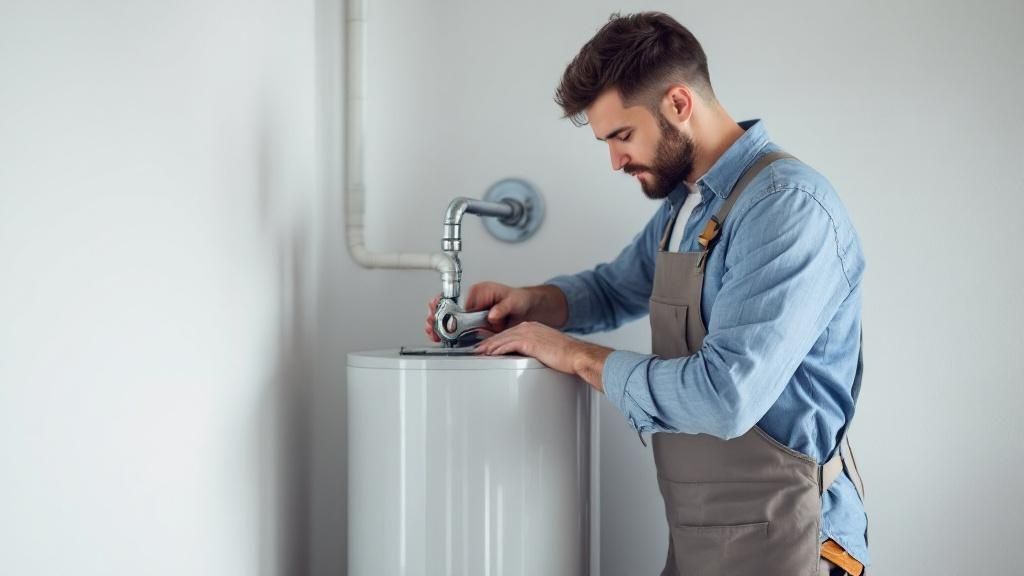
While keeping an eye on your water heater between service calls is a good habit, the most important part of any real maintenance plan is the annual professional tune-up. This isn't just a quick once-over. It's a deep-dive service that tackles safety, efficiency, and the long-term health of your unit. For homeowners in places like Marina and Seaside, this yearly visit is the single best thing you can do to protect your investment and avoid nasty surprises.
Here at Alvarez Plumbing, our professional checklist is more than just a list—it's a systematic process we've refined over 35+ years of serving Monterey County. We’ve designed it to catch those small, hidden problems before they turn into cold showers or, worse, a catastrophic leak.
Flushing Sediment to Boost Efficiency
One of the most critical jobs a professional performs is a full tank flush. If you live in areas like Salinas or Prunedale, you know our local water is notoriously hard. It's packed with minerals like calcium and magnesium that, over time, settle at the bottom of your tank and form a thick, stubborn layer of sediment.
Think of this sediment as a thick blanket wrapped around your heater's core. It forces the burner or heating element to work much harder and run longer just to heat the water sitting above it. This isn't just inefficient; it's damaging. You'll notice the effects in a few ways:
- Higher Energy Bills: Your heater is guzzling more gas or electricity to do the same amount of work.
- Premature Failure: All that extra heat stresses the tank and its components, significantly shortening its lifespan.
- Weird Noises: Ever hear popping or rumbling from your utility closet? That's often water trapped under the sediment layer, literally boiling and bubbling.
A professional flush clears out all that gunk, instantly restoring your heater’s efficiency and putting a stop to those strange noises. It's a task that requires care to do right, which is why it's best left to a licensed plumber.
Inspecting Critical Safety Components
Beyond making your system run better, our main priority is your family’s safety. Two components, in particular, need a professional eye every year.
First is the Temperature and Pressure (T&P) Relief Valve. This is a non-negotiable safety feature. If the pressure or temperature inside the tank climbs to dangerous levels, this valve is designed to open automatically and prevent a potential explosion. We test the valve to make sure it opens smoothly and closes securely, because mineral buildup can cause them to stick shut.
The second is the Anode Rod, the unsung hero of your water heater. It's a metal rod that's designed to corrode so your steel tank doesn't. Essentially, it sacrifices itself to stop rust from eating through the tank walls. During our annual service, we pull it out and inspect it. If it’s worn down to a nub, we replace it. It's a simple, inexpensive fix that can add years to your water heater's life.
A good rule of thumb for tank water heaters is to have a professional flush the sediment at least once a year—more often if you're in an area with hard water. A pro check-up should always include inspecting the anode rod and testing the T&P valve for safety.
To make sure nothing gets missed, a structured approach is key. It's similar to how pros in other fields use facility maintenance checklist templates to guarantee comprehensive care. When you bring in Alvarez Plumbing, you’re not just calling for a repair; you're getting a dedicated partner in protecting your home.
Maintaining Your Tankless Water Heater
Tankless water heaters are a fantastic, energy-efficient choice, and we see them in homes all over, from Pacific Grove to Carmel Valley. They deliver that wonderful, endless stream of hot water in a neat little package. But here's something a lot of folks don't realize: they are far from "maintenance-free." To keep these sophisticated systems humming along, they need their own specific routine.
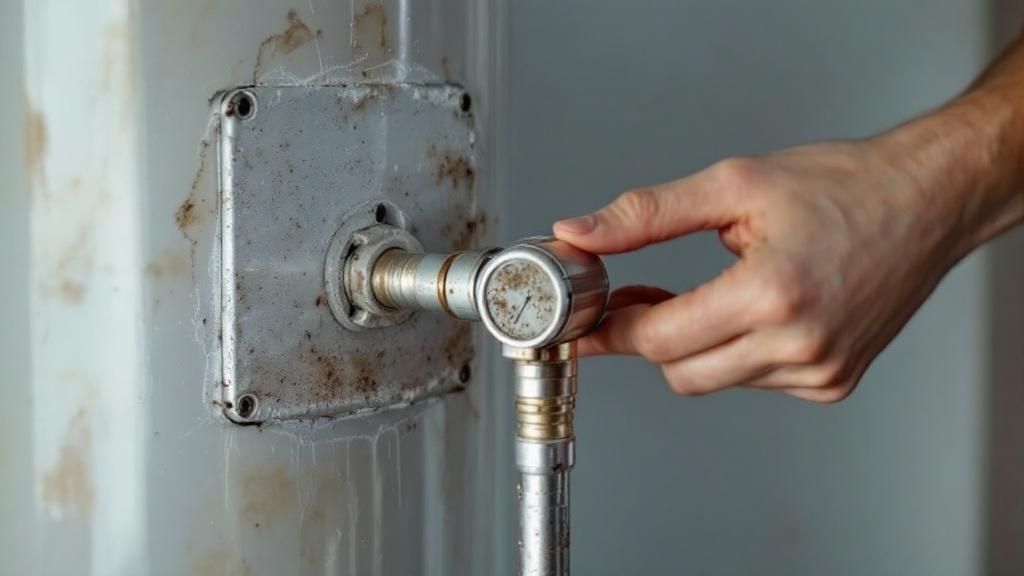
Unlike their big, tank-style cousins, the single most critical task for a tankless unit is descaling. This is where a professional flushes the system with a special solution to dissolve all the mineral gunk that our local hard water leaves behind. If this is skipped, that scale can choke the narrow water passages inside the unit's delicate heat exchanger, and that's when big problems start.
Signs Your Tankless Unit Needs Attention
Your tankless heater is pretty good at telling you when it needs service. You just have to know what to look for. Keep an eye out for these common red flags:
- Fluctuating Water Temperatures: If your shower suddenly goes from hot to lukewarm and back again, it's a classic sign that mineral scale is messing with the heating process.
- Reduced Water Flow: Is the pressure from your hot water taps weaker than it used to be? Clogged internal filters and pipes could be restricting how much water can even get through the unit.
- Error Codes on the Display: Most modern units are smart. They’ll flash a specific code when they detect a problem, which often points right to buildup or a flow restriction.
- Loud or Unusual Noises: It’s different from the "popping" you hear in an old tank heater. A struggling tankless unit might make more of a humming or grinding sound as it works overtime.
Now, descaling isn't your average DIY weekend job. It requires a specific circulation pump, the right hoses, and the correct descaling solution to get it done safely without harming the unit’s sensitive internal parts. This is one of those times we always recommend calling a licensed plumber.
Tankless water heaters need an annual flush to remove mineral deposits, especially in regions with hard water like ours. This preventative step is essential, as expert sources note that regular servicing—which includes checking valves, pipes, and the heat exchanger—is key to avoiding premature wear. You can discover more insights about tankless maintenance on Angi.com.
A professional annual service is really about protecting your investment. When a plumber from Alvarez Plumbing comes out, we don't just descale the heat exchanger. We also clean the inlet water filters, inspect the air intake, and make sure every part is working exactly as it should. With this kind of regular care, your tankless water heater can easily provide reliable, efficient hot water for its full 20+ year lifespan. This consistent upkeep is the best way to maximize your tankless water heater efficiency and get the most out of your home’s system for years to come.
Simple Checks You Can Do Between Service Calls
An annual professional service is the cornerstone of a healthy water heater, but you don’t have to be completely hands-off for the other 11 months. A solid water heater maintenance schedule should include some simple checks that any homeowner in Watsonville or Seaside can perform. These quick inspections empower you to spot trouble early, long before it escalates into a disaster.
Think of it as being your own plumbing detective. The goal isn’t to grab a wrench and start fixing things—it’s to develop a good sense of when you need to pick up the phone and call a pro.
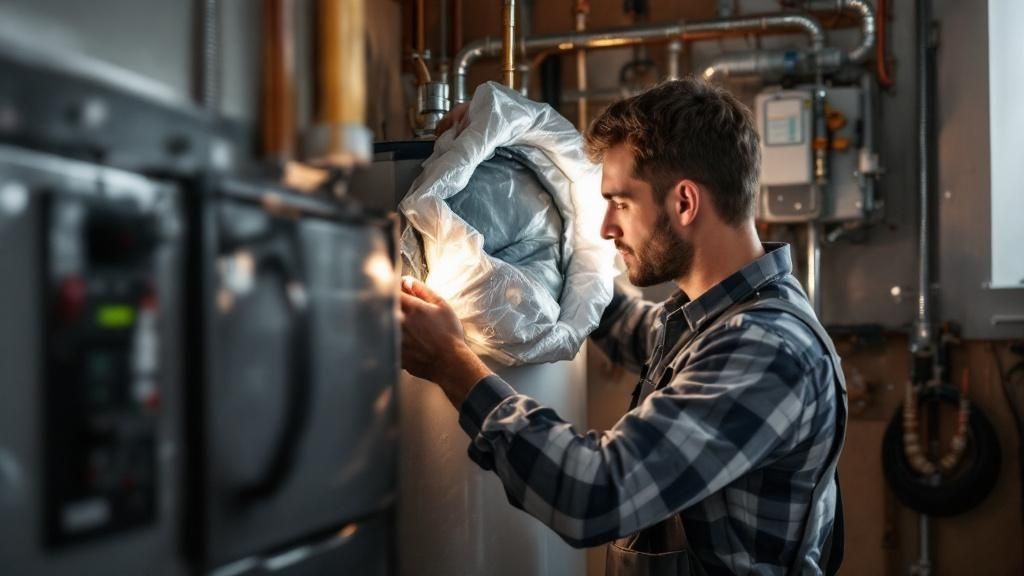
Your Bimonthly Visual Inspection
Every couple of months, just take a minute to look at your water heater and the area around it. This quick, five-minute check can reveal some of the biggest red flags. You don't need any tools, just a flashlight and a keen eye.
Here’s what you should be looking for:
- Puddles or Damp Spots: Any water on the floor is a major warning sign. Even a small puddle could indicate a slow leak from a fitting or, more seriously, a crack in the tank itself.
- Rust Streaks or Corrosion: Check the seams and the pipes connected to the tank. Streaks of rust running down the side are a clear sign of corrosion. If you see this, it often means the tank’s internal lining has failed, and a full-blown leak isn't far behind.
- Soot or Black Marks (Gas Heaters): For gas models, look around the burner chamber at the bottom. Any black soot indicates the gas isn't burning cleanly, which can produce dangerous carbon monoxide.
This quick visual scan is your first line of defense. Catching a small drip or a rust spot early on can make the difference between a simple repair and a major flood that damages your floors and belongings.
Catching issues early is the key to preventing expensive headaches. By knowing what to look for, you can learn about ways to save on water heater repair instead of having to budget for a full replacement.
Listen for Trouble
Your ears are just as important as your eyes when it comes to your water heater maintenance schedule. The sounds a unit makes can tell you a lot about what's happening inside.
When the house is quiet, stand near your water heater while it's running. Do you hear anything unusual? A loud "pop" or a low rumbling sound is often the tell-tale sign of sediment buildup. This is especially common in places like Castroville due to our hard water. That noise is actually water getting trapped under a layer of minerals and boiling—a sure sign your heater is working way too hard.
Don't ignore these sounds. That rumbling is a cry for help. It means your unit is losing efficiency and is under serious strain. When you spot any of these visual or audible clues, it’s time to call Alvarez Plumbing.
When You Need to Call a Plumber Immediately
A good maintenance schedule is your best defense against most water heater surprises. But let’s be realistic—some problems don’t wait for a convenient time to show up. They pop up suddenly and demand immediate attention.
These aren’t just minor inconveniences; they’re serious red flags signaling a real risk to your home and your safety. Knowing when to stop what you're doing and call a professional is just as crucial as any routine check you perform. For homeowners here in Marina and Monterey, a fast response can be the difference between a simple fix and a full-blown water damage nightmare.
Critical Warning Signs That Can't Wait
If you spot any of the following, it’s time to pick up the phone. These symptoms often point to a critical failure that’s way beyond a DIY fix and needs the tools and expertise of a licensed plumber.
- A Pool of Water: Finding standing water around your unit is the most unmistakable sign of trouble. We're not talking about a small, slow drip here. A puddle means a major leak, which often indicates the tank itself has corroded and could be on the verge of bursting. This is an emergency.
- Loud Banging Noises: While a low rumble often points to sediment (which we covered earlier), a sudden, loud, and violent banging or clanking is different. This can signal a failing heating element or, more dangerously, a severe pressure problem building up inside the tank.
- Rusty or Discolored Hot Water: If your hot water abruptly turns a muddy brown or reddish color, it’s a huge red flag. This is a strong indicator that the inside of your tank is rusting through. The anode rod has likely been completely used up for a while, and the tank's structural integrity is now compromised.
These issues are far more serious than a simple tune-up. They are emergencies that demand a professional diagnosis right away.
Decoding Your Water Heater's Warning Signs
It can be stressful trying to figure out what your water heater is telling you. This quick-reference table connects common symptoms to what they likely mean, helping you decide when to call for help immediately.
| Symptom You See or Hear | What It Likely Means | Your Next Step |
|---|---|---|
| A pool of water on the floor | The tank has likely failed and is at risk of bursting. | Shut off water to the heater and call for emergency service. |
| Loud, violent banging | A serious pressure issue or a failing heating element. | Shut off power/gas to the unit and call a plumber right away. |
| Brown, rusty hot water | The tank's interior is corroding and failing. | Stop using the hot water and schedule a professional inspection. |
| No hot water at all | Could be a pilot light, thermostat, or heating element failure. | Check your breaker/pilot light first, then call a pro if it’s not a simple reset. |
| Rotten egg smell (gas heaters) | Potential gas leak. | LEAVE THE HOUSE IMMEDIATELY. Call your gas company and a plumber from a safe location. |
Think of these signs as your water heater’s last-ditch effort to get your attention before something catastrophic happens.
For over 35 years, our family at Alvarez Plumbing has been the first call for homeowners facing these exact scenarios. We know the peace of mind that comes from having a trusted, local expert who can respond quickly to protect your home and safely restore your hot water.
Ignoring these warnings is a gamble you don’t want to take. A leaking tank can dump dozens of gallons of water in minutes, causing massive damage to floors, walls, and even your home's foundation. With gas heaters, certain failures can also create a risk of carbon monoxide leaks. When you see these signs, your next step should always be to call for professional, emergency water heater repair and installation services. It's the safest and smartest move for your home and family.
Common Water Heater Maintenance Questions
After 35+ years of helping families all over Monterey County, we've pretty much heard it all when it comes to water heaters. We know that figuring out a proper maintenance schedule can feel like a chore, so we’ve put together some answers to the questions we get asked most often by homeowners from Salinas to Pacific Grove.
Here are a few quick, practical answers from our family to yours.
How Does Hard Water in Salinas Affect My Water Heater?
This is a big one, and for good reason. The water here in Salinas and many of the surrounding towns is high in minerals like calcium and magnesium, a condition everyone calls "hard water." When that mineral-rich water gets heated, those minerals don't stay dissolved. Instead, they settle at the bottom of your tank and form a thick, crusty layer of sediment.
This gritty buildup basically acts like a blanket of insulation between the burner and the water. It forces your heater to work overtime just to get the water hot, which wastes a surprising amount of energy and puts a ton of extra strain on the whole unit.
Because of our local water conditions, we almost always suggest that homeowners in the Salinas Valley have their tanks flushed professionally every 6-12 months, not just once a year. It's truly the single best thing you can do to keep your heater efficient and help it last as long as possible.
Is Annual Professional Maintenance Really Worth the Cost?
Without a doubt. The best way to think about it is as a small, smart investment that helps you avoid a massive, unexpected expense later on. A routine service call from a licensed plumber costs a tiny fraction of what an emergency water heater replacement does.
During a maintenance visit, our plumbers can spot problems you wouldn't see, like a failing anode rod, long before it gives out and leads to a tank-bursting disaster. This proactive care accomplishes a few critical things:
- Extends Your Heater's Lifespan: We catch the small issues early before they can spiral into total system failure.
- Improves Efficiency: A clean, properly tuned heater uses less gas or electricity, which you'll notice on your monthly utility bills.
- Ensures Safety: We test crucial safety parts like the T&P valve to make sure they are functioning correctly and will protect your home in an emergency.
Honestly, the peace of mind you get from knowing your heater is safe and working right is invaluable. When you consider the high costs of neglect, it’s one of the most practical investments you can make. If you’re ever curious about what goes into a replacement, we put together a guide that breaks down the general water heater replacement cost to give you a better idea.
My Water Heater Is in the Garage. Do I Still Need to Worry About Leaks?
Yes, absolutely. Any leak, no matter how small or where the heater is located, is a serious warning sign. That tiny puddle you spot today is often the first symptom of internal corrosion that could easily lead to a complete tank rupture tomorrow.
Even if your heater is in the garage of your Carmel-by-the-Sea home, a sudden, major leak can still cause thousands of dollars in damage to your home’s foundation, drywall, and anything you have stored nearby. Since most homes in our area are built on a slab foundation, that water has nowhere to go but into your walls and living spaces. It's always best to call a professional at the first sign of water so we can figure out what's really going on.
Don't wait for a cold shower to be your reminder. If you have more questions or you're ready to get a professional maintenance visit on the calendar, the friendly experts at Alvarez Plumbing are here to help. Contact us today to keep your system running safely and efficiently for years to come.