That first cold shower is a rude awakening. It's a harsh signal that your water heater has finally called it quits, but what's the real water heater replacement cost going to be? For a typical replacement, you should budget anywhere from $1,200 to over $5,500, depending on the unit you choose and the specifics of the installation.
That final bill isn't just one number; it's a combination of the new appliance and the professional expertise needed to get it installed safely and correctly.
Understanding The Initial Investment
Facing a sudden water heater replacement can feel like a surprise expense you weren't ready for. The good news is that breaking down the cost is actually pretty simple. Your total bill really comes down to two main things: the price of the new water heater and the labor cost for the plumber to install it.
It helps to think of it like buying a new appliance for your kitchen. You have the cost of the refrigerator itself, and then you have the separate fee for delivery and installation. Understanding this split gives you a much clearer financial picture before you start looking at specific models.
The Two Pillars Of Your Replacement Bill
Every quote a plumber gives you will be built on these two core pieces. Getting a handle on how each one affects the final price is your first step toward making a smart, confident decision.
- The Water Heater Unit: This is the physical appliance. The price tag here can swing wildly based on the type (like a classic tank vs. a modern tankless model), brand reputation, size, and energy efficiency rating. A basic 40-gallon tank unit will always be cheaper upfront than a high-efficiency tankless system.
- Professional Installation Labor: This part of the bill covers the plumber's time and, more importantly, their expertise. It includes safely disconnecting and hauling away your old unit, hooking up the new one, and making sure everything is running perfectly and up to local building codes. Labor costs will change based on your location and how complex the job is.
When you can mentally separate these two costs, you're in a much better position to compare quotes from different plumbers. You'll know exactly what you're paying for, which puts you in control of the process.
Before you commit to a full replacement, it's worth making sure it's absolutely necessary. Sometimes a simple repair can get you back up and running for a lot less, so it’s good to know when you need to replace your hot water heater.
Cost at a Glance Tank vs. Tankless Water Heaters
To give you a clearer idea of the investment, it's helpful to see a side-by-side comparison of the two most common types of water heaters. The upfront cost difference is significant, but it's important to weigh it against long-term energy savings and lifespan.
| Water Heater Type | Average Unit Cost | Average Installation Cost | Total Estimated Replacement Cost |
|---|---|---|---|
| Standard Tank | $600 – $2,500 | $600 – $1,500 | $1,200 – $3,500 |
| Tankless | $1,000 – $3,000 | $1,500 – $2,500 | $2,500 – $5,500+ |
As you can see, tankless models require a bigger initial investment, largely due to more complex installation requirements. However, their on-demand heating can lead to lower energy bills over the life of the unit.
Putting It All Together A Realistic Budget
So, what does this all mean for your wallet in the real world? Recent industry data from sources like Forbes shows that replacing a traditional tank-style water heater typically lands between $1,200 and $3,500, a price that includes both the unit and the installation.
If you’re looking to upgrade to a more efficient tankless model, that range climbs to $2,500 to $5,500 or even higher for premium units. These figures give you a solid financial baseline to work from as you start reaching out to local plumbing professionals for quotes.
Anatomy of Your Bill: Unit vs. Labor Costs
When a plumber hands you a quote for a water heater replacement, it’s easy to get a bit of sticker shock from that single number. But that final price isn't just one lump sum; it's really a combination of two very different things: the water heater itself (the unit) and the skilled work required to install it (the labor).
Breaking it down helps you see exactly what you're paying for. It's a lot like buying new tires for your car. You pay for the tires, but you also pay for the mounting, balancing, and alignment. Both are essential for the job, but they represent a product and a service. A water heater replacement cost is built the same way.
The Heart of the Cost: The Water Heater Unit
The biggest variable on your bill will almost always be the water heater unit. This is the physical tank (or tankless unit), and its price can swing wildly. A basic, no-frills 40-gallon gas model might only set you back a few hundred dollars, while a top-of-the-line, high-efficiency tankless unit could easily top $2,000.
So, what makes one unit cost so much more than another? It usually boils down to a few key things:
- Brand and Quality: You're often paying for a track record. Established brands with a reputation for building reliable, long-lasting heaters simply cost more because they use better parts and engineering.
- Warranty Length: A longer warranty is a vote of confidence from the manufacturer. A unit with a 10 or 12-year warranty, compared to the standard 6 years, is built to last and that's reflected in the price.
- Energy Efficiency (UEF): A higher Uniform Energy Factor (UEF) rating means the heater wastes less gas or electricity. That technology costs more upfront but pays you back over time with lower utility bills.
This infographic gives a great visual of how these costs typically stack up.
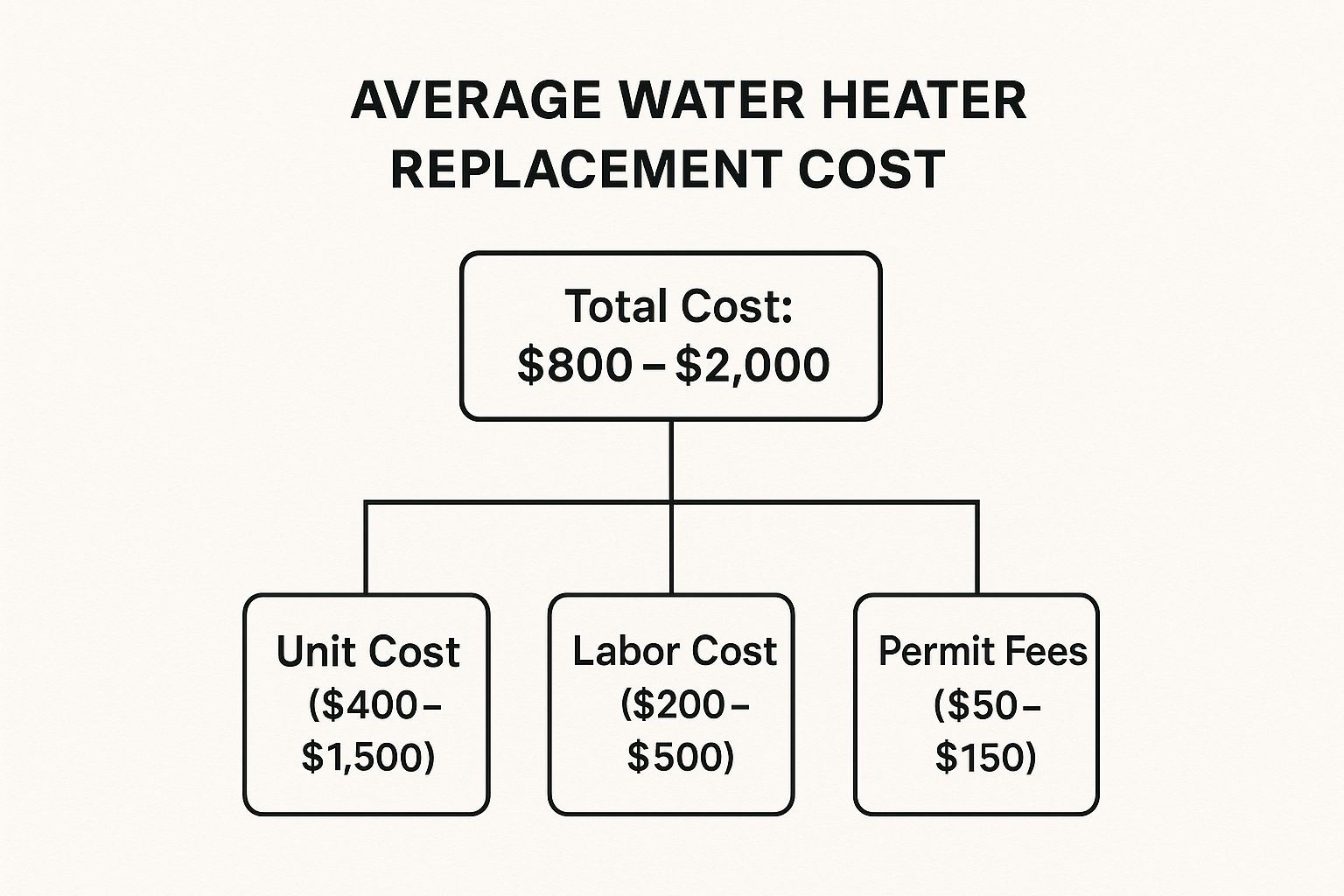
As you can see, the unit is the biggest piece of the pie, but labor and other charges are a very significant chunk of the total.
The Skill Behind the Install: Demystifying Labor Charges
The second major part of your bill is professional labor. This isn't just about hauling a heavy tank into your basement. You're paying for a licensed plumber's expertise, their knowledge of safety codes, and the specialized tools needed to do the job right. It’s what prevents water damage, dangerous gas leaks, or electrical hazards down the road.
A plumber's labor charge is figured out based on a few factors:
- Standard Installation Time: For a straightforward swap—like replacing an old 40-gallon tank with a new one in the exact same spot—most plumbers have a flat rate. This is usually based on an average time of 2-3 hours.
- Project Complexity: The job gets more complicated (and expensive) if extra work is needed. Things like moving the heater to a new location, running new water or gas lines, or upgrading the venting to meet modern building codes will add to the labor time.
- Local Market Rates: Just like everything else, labor costs change depending on where you live. Plumbers in major cities generally have higher rates than those in rural areas because their cost of doing business is higher.
Remember, you're paying for more than just a couple of hours of work. You're buying the peace of mind that comes from knowing your new appliance is installed safely, efficiently, and up to code.
There's a good reason the labor portion of the bill is substantial. In fact, professional labor can make up 40-60% of the total project cost, usually falling somewhere between $500 and $1,500 depending on the job's difficulty. You can find more great insights into how the pros calculate these fees over at This Old House.
By understanding these two main categories—the unit and the labor—you get a much clearer picture of your water heater replacement cost. This knowledge puts you in the driver's seat, allowing you to ask smarter questions, compare quotes more effectively, and make a final decision that feels right for your home and your budget.
How Heater Type and Size Shape Your Budget
Choosing a new water heater is a lot like picking out a new car. You’ve got your practical sedans, powerful trucks, and super-efficient hybrids. Each comes with a different price tag and is built for a different job. In the same way, the type of water heater you select is the single biggest factor that will steer your final water heater replacement cost.
This decision is about more than just the upfront purchase price. It’s an investment that directly affects your monthly energy bills, your daily comfort, and the long-term value you get from your home. Let's break down the main contenders to see which one is the right fit for your household and your budget.
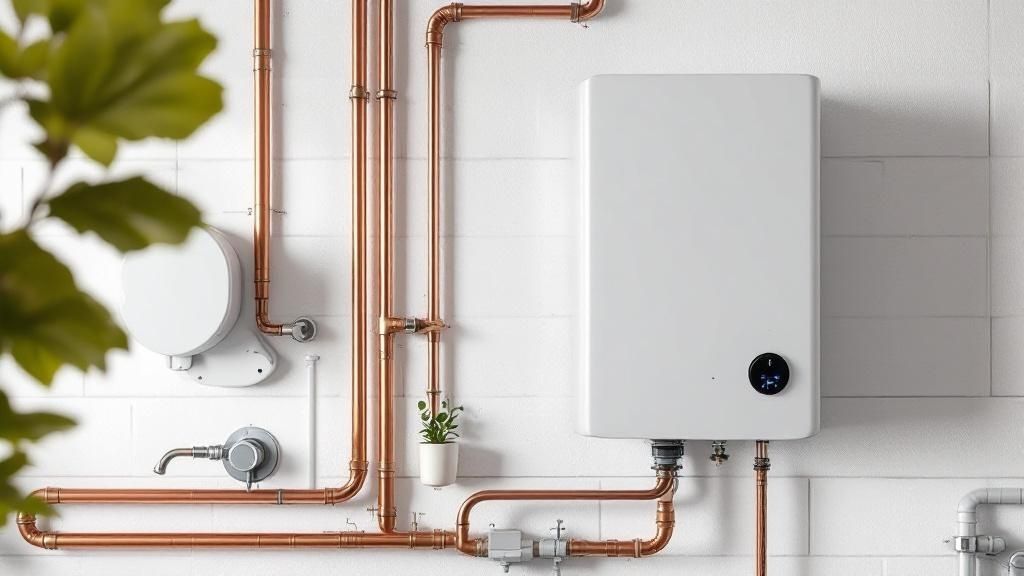
Traditional Storage Tank Heaters: The Reliable Workhorse
The conventional storage tank water heater is what you'll find in most American homes, and for good reason. It works by keeping a large reservoir of water—usually 40 to 50 gallons—constantly heated and ready for you to use. Just think of it as a giant, insulated thermos for your entire house.
These units are incredibly popular because they're relatively inexpensive to buy and install, making them the default choice for homeowners watching their budget. They come in two main fuel types:
- Gas Models: These heaters typically have a lower monthly operating cost because natural gas is often cheaper than electricity. As a bonus, they also tend to heat water faster than their electric cousins.
- Electric Models: While their running costs can be a bit higher, electric units are usually cheaper to purchase upfront. They're also simpler to install since they don't need gas lines or special ventilation.
Ideal For: Families on a tighter upfront budget, homes that already have gas lines and ventilation, and households with fairly predictable hot water needs. The lower initial cost makes them an attractive and dependable solution.
Tankless On-Demand Heaters: The Modern Performer
Tankless water heaters represent a major shift in how we get hot water. Instead of storing dozens of gallons, they heat water instantly as it flows through the unit. It’s like having a coffee maker that brews a fresh cup the moment you want one, rather than keeping a full pot warm all day.
This on-demand approach means you get a truly endless supply of hot water, which is a huge plus for large families or anyone who enjoys a long shower. More importantly, it’s incredibly energy-efficient. Upgrading to a tankless unit can be 2 to 3 times more expensive upfront than a traditional tank, but it can slash your energy use by up to 34%. You can dig into the numbers on the Department of Energy's website to better understand the long-term savings of demand-type water heaters.
That higher price tag covers the sophisticated technology and a more complex installation, which might require new gas lines, dedicated electrical circuits, or upgraded venting.
Heat Pump Hybrid Heaters: The Efficiency Champion
Heat pump water heaters, often called hybrid models, are the undisputed champions of energy efficiency. They don't generate heat directly like other heaters. Instead, they cleverly pull heat from the surrounding air and transfer it into the water tank—working much like a refrigerator running in reverse.
This process uses dramatically less electricity than a standard electric tank heater. While they have the highest upfront cost of the three types, they can cut water heating bills by over 60%. Those savings can be so substantial that the unit often pays for its initial price difference in just a few years. Homeowners curious about these advanced systems can learn more about what a heat pump water heater installation in Monterey entails.
To make the choice a little clearer, here's a quick look at how the different types of water heaters stack up against each other.
Comparing Water Heater Types: Cost and Benefits
| Heater Type | Average Unit Price Range | Estimated Lifespan | Key Benefit |
|---|---|---|---|
| Traditional Tank | $600 – $2,500 | 10-12 years | Lowest upfront cost and simple installation. |
| Tankless | $1,000 – $3,000 | 20+ years | Endless hot water and high energy efficiency. |
| Heat Pump (Hybrid) | $1,500 – $4,000 | 13-15 years | Highest energy efficiency and lowest operating cost. |
This table shows the trade-offs: a lower initial investment with a traditional tank, or a higher upfront cost for long-term energy savings and performance with tankless or heat pump models.
Size Matters: Picking The Right Capacity
After you've picked a type of heater, its size is the next critical factor that shapes your water heater replacement cost. Getting this wrong can be a real headache. An undersized unit will leave you shivering in a cold shower, while an oversized one will just waste energy and money heating water you don't use.
- For Tank Heaters: Size is measured simply in gallons. A 40-gallon tank is often plenty for a 2-3 person household, but families of 4-5 will likely need a 50-gallon or even larger unit to keep everyone happy.
- For Tankless Heaters: Size is measured in gallons per minute (GPM), which tells you the flow rate it can heat at one time. To find the right GPM, you just add up the flow rates of all the faucets and appliances you might run at the same time (like a shower and a dishwasher).
It's a simple rule: a larger unit, whether it's a bigger tank or a higher GPM rating, will always cost more to buy. This is a direct and predictable part of the budget, so matching the size to your family’s actual needs is the key to balancing comfort and cost.
The Hidden Costs in a Water Heater Installation
The quote you get for your water heater replacement cost seems straightforward, right? It usually covers the new unit and the basic labor to swap it out. But the real budget busters often come from the work around the heater—the surprises that pop up once the old unit is out of the way.
It’s a lot like pulling up old carpet in a living room only to find the subfloor is damaged. Installing a water heater can be the same; you don't know what's really needed until you can see everything clearly. These aren't sneaky charges from your plumber. They're necessary fixes to make sure your new system is safe, efficient, and up to today’s standards. Knowing what to expect is your best defense against a last-minute budget scramble.
Upgrades to Meet Modern Building Codes
Building codes are always evolving to make our homes safer and more energy-efficient. If your current water heater has been chugging along for a decade or more, there’s a good chance your home's plumbing, venting, or electrical setup is out of date. A licensed plumber is legally required to bring everything up to current code during the replacement.
For instance, getting your plumbing or ventilation up to snuff can add anywhere from $300 to $2,000 or more to the final bill, depending on how much work is needed. You can find more details on these potential code-related costs at BobVila.com. This is probably the most common "hidden cost" we see homeowners run into.
Some of the most frequent code-required upgrades include:
- New Venting: If you’re getting a new gas water heater, the old vent pipe—the chimney that gets rid of dangerous carbon monoxide—might be the wrong size or material for the new, more efficient model.
- Thermal Expansion Tank: Many cities now mandate a thermal expansion tank. It’s a small, separate tank that takes on the pressure created when water heats up, which saves your pipes and the heater itself from damage.
- Dedicated Shut-Off Valves: Modern codes often require their own, easy-to-reach shut-off valves for both the water and gas lines that connect to your heater.
- Drip Pan and Drain Line: A must-have if your heater is in an attic or on an upper floor. A proper drip pan and drain line can prevent a minor leak from turning into a major catastrophe for your ceilings and floors.
These aren't just nit-picky rules. They're critical for your safety. Proper venting prevents deadly gas buildup, and an expansion tank can add years to the life of your entire plumbing system.
The Impact of Installation Location
Where your water heater lives in your home directly affects the labor portion of your bill. A spacious garage with plenty of room to work is a plumber’s dream—it means a quick, clean installation.
But if your unit is shoved into a cramped closet, a sweltering attic, or a tight crawlspace, the job instantly gets tougher. Just maneuvering the old unit out and the new one in takes more time and effort, and sometimes an extra set of hands. That extra hassle translates directly to higher labor costs, easily adding one to three hours to the final invoice.
Essential Add-Ons and Modifications
Beyond what the codebook demands, a good plumber might recommend a few other parts or tweaks. These aren’t just upsells; they’re smart moves to help your new water heater perform better and last longer.
These proactive extras often include:
- New Water Supply Lines: Those flexible lines connecting your heater to the main plumbing get brittle and crack over time. Swapping them out is a small price to pay to prevent a massive future leak.
- Gas Line Adjustments: Switching from electric to gas? Or is the connection point on the new heater in a different spot? Your plumber will need to adjust or run a new gas line. Given the risks involved, this is a job strictly for a qualified pro. You can learn more about why this isn't a DIY task by reading up on gas line safety and professional repair.
- Permits and Disposal Fees: Most municipalities require a permit for a water heater installation, which can add $50 to $150 to your total. Your quote should also include a fee for hauling away and properly disposing of your old, heavy unit.
How to Save Money on Your Replacement
A new water heater is a major purchase, there’s no getting around it. But the water heater replacement cost doesn't have to completely derail your budget. If you approach it strategically, you can find real savings without skimping on quality equipment or a safe, professional installation. It really just comes down to being a smart shopper and knowing where the value is.
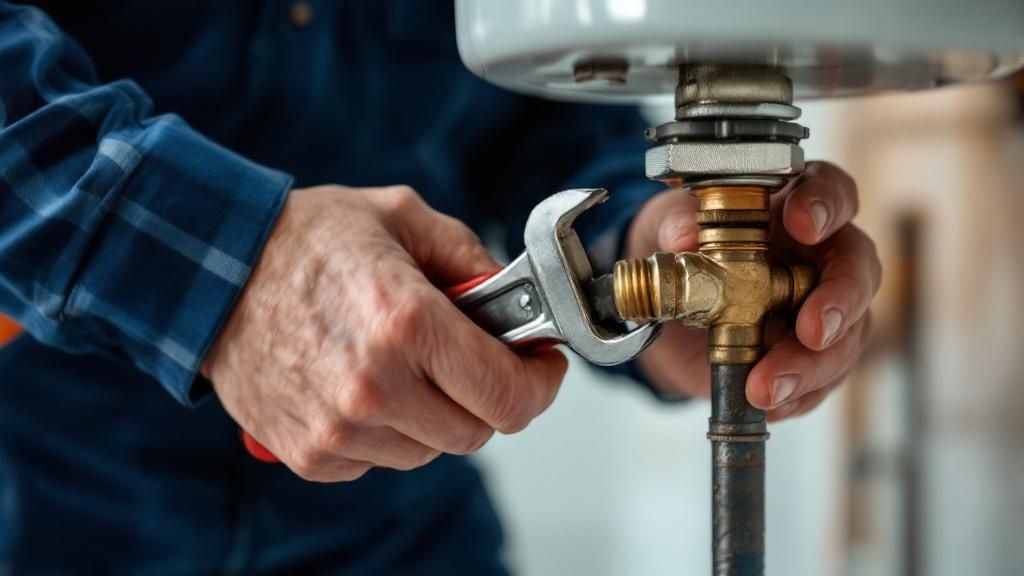
The whole process starts with a little bit of homework. A few phone calls and some quick online research can put you in a great position to make a cost-effective choice for your home.
Always Get Multiple Quotes
This is the single most important thing you can do to get a fair price. You should get at least three detailed quotes from licensed, reputable plumbers. Don't ever jump on the first offer you get, because you'd be surprised how much prices can vary between companies for the exact same job.
When you're looking at the quotes, don't just skip to the final number at the bottom. A good quote will break everything down for you: the cost of the water heater itself, the labor charges, and any extra parts or permit fees. This lets you compare apples to apples and easily spot a price that seems way too high or too low.
A suspiciously low bid should be a huge red flag. It could mean the installer is inexperienced, they're planning to use a cheap, low-quality unit, or—worst of all—there are hidden fees that will magically appear on the final bill. Stick with licensed and insured professionals.
Hunt for Rebates and Tax Credits
Here's one of the best-kept secrets for bringing down your initial cost: check for government and utility incentives. These programs exist specifically to encourage homeowners like you to choose energy-efficient appliances.
Many local utility companies will give you cash rebates for installing an ENERGY STAR certified water heater. And it doesn't stop there. Federal tax credits can slide even more money back into your wallet. In fact, homeowners who go with a high-efficiency ENERGY STAR certified heat pump water heater could see a combined savings of over $1,000 on the total project. You can dig into the details of these savings on the ENERGY STAR website.
The DIY Purchase vs. Professional Supply
It can be tempting to run down to the big-box store and buy a water heater yourself, thinking you'll save a couple hundred bucks on the unit. While that can seem like a clever move on the surface, you need to weigh the pros and cons first.
- Buying it Yourself: You control the purchase and might catch a good sale. The downside? You're responsible for hauling that heavy, awkward tank home. If you buy the wrong size or model for your home's gas lines or electrical needs, that mistake is on you.
- Buying Through Your Plumber: A professional plumber has access to professional-grade models that you won't find in a retail store. These units often have better-quality components and more robust warranties. They know exactly which model will fit your space and meet your family's hot water demands, and they handle all the logistics.
More often than not, the small extra cost for a plumber-supplied unit is well worth it for the superior quality, perfect fit, and peace of mind that comes with their warranty service.
Finally, remember that good maintenance can be the biggest money-saver of all. Sometimes, a full replacement isn't necessary when a timely repair will do the trick. For more on that, take a look at our guide on how to save on water heater repair.
Common Questions About Water Heater Costs
When you're suddenly facing a water heater replacement, it’s completely normal for a flood of questions to pop into your head. It's a significant financial commitment, after all, and every homeowner wants to be absolutely sure they’re making the right call.
We've tackled some of the most common concerns we hear from homeowners to help you get through this process with confidence.
Is It Cheaper to Repair or Replace a Water Heater?
The classic "repair or replace" dilemma usually boils down to two simple things: the age of your unit and how much the fix will cost. You can think of it like an old car—a cheap, simple repair on a newer model makes perfect sense. But sinking a lot of money into an aging vehicle that's on its last legs? That's just throwing good money after bad. The same logic applies to your water heater.
A great rule of thumb we use in the field is the 50% rule. If your water heater is over 10 years old and the repair bill is more than half the cost of a brand-new unit, replacement is almost always the smarter financial move in the long run.
On the other hand, if you have a newer unit with a minor issue, like a faulty thermostat or a pilot light that won't stay lit, a straightforward repair is the way to go.
When a major component like the tank itself fails, replacement is your only real option. A leaking tank simply cannot be repaired and poses a serious risk of water damage, often escalating into a situation that needs immediate attention.
Knowing what qualifies as a true plumbing crisis is key. Understanding the signs can help you act quickly, and you can learn more about what counts as emergency plumbing in our detailed guide.
Can I Install a Water Heater Myself to Save Money?
The thought of saving a few hundred dollars on labor by installing a water heater yourself is definitely tempting. We get it. However, this is one of those DIY projects where the risks usually far outweigh any potential rewards.
An improper installation can have some really serious consequences.
- For gas models: A tiny mistake with a gas line connection can lead to a dangerous and potentially explosive leak. It’s just not worth the risk.
- For all models: Incorrectly connected water lines are a recipe for major flooding, which can easily cause thousands of dollars in water damage to your floors, drywall, and belongings.
On top of all that, most manufacturers' warranties are voided if the unit isn't installed by a licensed professional. Hiring a plumber ensures the job is done safely, is compliant with all local building codes, and that your big investment is actually protected.
How Long Does a Typical Water Heater Replacement Take?
Time is another practical concern, especially when your family is stuck without hot water. The good news is that the replacement process is usually pretty efficient for a pro.
A straightforward swap—where we take out an old tank and put in a new one of a similar size in the exact same spot—typically takes a professional plumber about 2 to 3 hours.
But, if you're switching from a standard tank to a tankless model, the job gets more involved. This kind of upgrade often requires running new plumbing, different venting, or electrical work, which can extend the installation time to somewhere between 4 and 8 hours. Your plumber can give you a much more precise timeline once they see your specific situation.
We know that dealing with water heater issues is stressful. To help clear things up, we've put together a quick FAQ table to answer a few more questions you might have.
Frequently Asked Questions
| Question | Answer |
|---|---|
| Why is professional installation so important? | Beyond safety, a pro ensures your unit is installed to code and that your manufacturer's warranty remains valid, protecting your investment. |
| What's the biggest factor in replacement cost? | The type of water heater you choose. A high-efficiency tankless unit costs significantly more upfront than a basic storage tank model. |
| Can a new water heater lower my utility bills? | Absolutely. Modern water heaters are far more energy-efficient, and upgrading can lead to noticeable savings on your monthly gas or electric bill. |
| Do I need a permit to replace my water heater? | In most areas, yes. A licensed plumber will handle the permitting process for you, ensuring the installation meets all local safety standards. |
Hopefully, these answers provide a bit more clarity. Making an informed decision is the best way to feel confident about your choice.
When you need a reliable, professional installation done right, Alvarez Plumbing is here to help. Our certified experts ensure your new water heater is installed safely and efficiently, giving you peace of mind. Schedule your service today!