A water heater anode rod replacement is one of those critical home maintenance tasks that most people have never even heard of. But this simple service is the single best thing you can do to protect your water heater from failing early. In fact, it can often double its lifespan.
If you live anywhere in Monterey County, from Salinas to Pacific Grove, and your water heater is over three years old, it’s a good idea to call a pro for an inspection. If you're seeing rusty water from your taps, that's an even clearer sign.
Your Water Heater's Secret Bodyguard: The Anode Rod
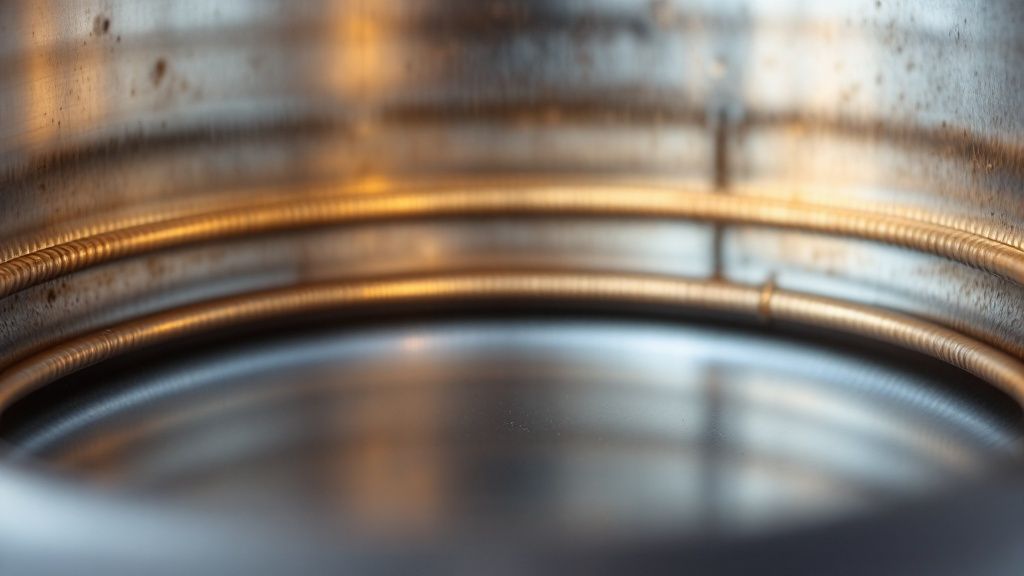
Think of the anode rod as a bodyguard hiding inside your water heater. This simple metal rod has one very important job: to stop rust and corrosion from eating through the steel tank. Water is constantly trying to attack the inside of your tank. This is especially true with the mineral-heavy water we often have here in places like Salinas and Carmel-by-the-Sea.
The anode rod, made from a metal like magnesium or aluminum, steps in to take the hit.
The anode rod is designed to corrode—or "sacrifice" itself—so that your much more valuable steel tank stays safe and sound. It basically tells the corrosion, "take me instead."
Without this bodyguard on duty, the water would immediately start eating away at the tank's lining. This leads to rust, leaks, and eventually, a major failure that could flood your garage or home in Marina or Seaside.
How This Sacrificial Process Works
The science is simple but effective. When you put two different metals in water, the more reactive one (the anode rod) will always rust first. This small part is the key to getting the most life out of your water heater.
Keeping that rod in good shape means your tank stays strong. This one simple step costs much less than a full water heater repair or replacement.
Swapping out the anode rod every 3 to 5 years is the best way to prevent corrosion and keep your water heater tank healthy. Once the rod is gone, the tank itself becomes the next target, leading to costly leaks.
For homeowners in Marina and Pacific Grove, an annual check by a professional plumber from a family-owned company like Alvarez Plumbing, serving our community since 1988, can tell you exactly how much life your anode rod has left.
Signs Your Anode Rod Needs to Be Replaced
Your water heater is a workhorse, but it can’t send you an email when something’s wrong. Instead, it gives you clues that its internal bodyguard, the anode rod, is worn out. For homeowners in Monterey, learning to spot these signs is the key to preventing a small maintenance task from turning into a messy, expensive emergency.
Common Symptoms of a Worn-Out Anode Rod
Keep an eye (and an ear) out for these common red flags. If you notice any of them, it's a strong signal that it’s time to call in a professional.
- Rusty or Metallic-Smelling Hot Water: This is the most obvious sign. If your hot water runs brown, orange, or has a metallic smell, it means rust is forming inside your tank because the anode rod is gone.
- Discolored Water: Similar to the above, if the hot water isn't clear, the tank's protective layer is failing.
- Water Heater Tank Noises: Those loud popping, cracking, or rumbling sounds are often caused by sediment buildup at the bottom of the tank. This happens much faster when an anode rod has failed. The noise is from water getting trapped under the gunk and boiling over.
- Age of the Water Heater: A good rule of thumb is if your water heater is 3 to 5 years old and has never been checked, it's time for an inspection. Pushing it longer increases the risk of permanent tank damage.
The image below shows a brand-new anode rod next to one that's completely used up. It's a dramatic difference.

This side-by-side comparison really shows how the "sacrificial" rod is designed to completely fall apart over time. Once it's gone, your tank is left unprotected.
Anode Rod Failure Symptoms Checklist
Here’s a quick guide for Monterey area homeowners to pinpoint the most common signs of a failing anode rod.
| Symptom | What It Looks/Sounds Like | What It Means for Your Water Heater |
|---|---|---|
| Rusty Water | Hot water runs brown, orange, or has a reddish tint. | The steel tank is rusting from the inside because the anode rod is gone. |
| Metallic Smell | A metallic or even rotten egg smell from the hot water. | The anode rod is used up, and a chemical reaction is happening in the tank. |
| Popping Noises | Loud popping, banging, or cracking sounds from the heater. | A thick layer of sediment has built up, trapping water and causing it to boil. |
| Less Hot Water | You run out of hot water faster than you used to. | Sediment is covering the heating element, making it work less efficiently. |
If you check off one or more items on this list, your anode rod likely needs professional attention. If you see these signs and notice your water heater is leaking from the bottom, call a plumber right away.
Why Timely Replacement Is Crucial for Extending Water Heater Life

Replacing an anode rod is more than a minor repair. It's the single best investment you can make in your water heater's future. This one small step can save you thousands by preventing a catastrophic leak and an early replacement.
Think about it: the anode rod is your water heater's only defense against internal rust. Once it's gone, corrosion silently attacks the steel tank. Eventually, this leads to a leak or a full tank rupture—a messy disaster that can cause serious water damage to your home in Prunedale or Castroville.
By replacing the anode rod on schedule, you stop this process. This single task can effectively double the functional lifespan of a standard water heater. That turns a unit that might only last 6-8 years into one that could serve you for 12 years or more.
Maintains Energy Efficiency and Clean Water
A timely replacement also helps your water heater run more efficiently. When an old rod breaks down, it adds to the sediment at the bottom of your tank. This layer of gunk forces your heater to work harder to heat the water, driving up your energy bills.
A clean, protected tank operates at its best. That means it uses less energy, which is great for your wallet and helps conserve resources—a big deal for all of us here on the Central Coast. Regular service ensures your system is not just lasting longer but also providing clean, rust-free hot water.
A Small Cost for a Huge Return
The message for every homeowner in Monterey County is clear: proactive maintenance is a no-brainer.
A minor investment in a professional water heater anode rod replacement is the most cost-effective way to protect your bigger investment. It prevents the need for a costly new unit and avoids the headache of unexpected water damage.
Beyond the anode rod, addressing hard water can also extend your heater's life. For homes with a lot of mineral buildup, it's worth exploring scale prevention solutions to further protect your appliance. Staying ahead of these problems ensures your water heater remains a reliable workhorse.
Why DIY Anode Rod Replacement is a Risky Idea
There’s a good feeling that comes from fixing something yourself. But some jobs are best left to the pros, and replacing a water heater anode rod is one of them. While a video might make it look easy, this task has hidden problems that can turn a simple job into a nightmare.
This isn't a DIY guide. Instead, we want to explain the risks so you can see why calling a licensed plumber in Monterey or Salinas is the safer choice.
One of the biggest problems is that anode rods are often screwed in incredibly tight at the factory. Trying to force it out without a special tool called an impact wrench can damage the rod's connection point on the tank. A damaged connection can cause a permanent leak. This costly mistake turns a small maintenance task into a huge expense—and might even mean you need a whole new water heater.
Why Professional Expertise Matters
Beyond having the right tools, a professional plumber brings knowledge that a video can’t provide. For example, the hard water common in parts of Watsonville requires a different kind of anode rod than the water in another part of the county.
Choosing the wrong type of rod can actually make problems like smelly water worse. A professional plumber from Alvarez Plumbing knows exactly which type—aluminum, magnesium, or a special powered rod—is right for your home, ensuring the replacement solves your problem.
And of course, before starting any water heater work, you must shut off the water. If you're not 100% sure how to do that, you can check our guide on how to shut off the main water supply. It’s a critical first step a pro will never skip. For your safety, it's always best to have a licensed plumber handle this kind of work.
Trust Alvarez Plumbing for Expert Water Heater Maintenance in Monterey & Salinas
When it comes to your water heater, you need a local pro who understands our area. The hard water in Salinas and the salty ocean air in Carmel-by-the-Sea can be tough on plumbing. These are local problems that need local experts.
That’s why so many families and businesses have trusted Alvarez Plumbing for over three decades.
As a family-owned business serving our neighbors since 1988, we have over 35 years of hands-on experience with all types of water heaters. We’ve seen how a simple anode rod replacement can save a family in Seaside from a flooded garage or prevent a costly shutdown for a business in Prunedale. Our roots run deep here, and we understand what our community needs.
Our Commitment to Honest, Reliable Service
We believe in doing the job right the first time, with total honesty. When you call us, you won't get a sales pitch. You'll get a thorough inspection from a licensed pro who will tell you exactly what’s going on with your system.
Our promise is simple:
- Honest Inspections: We check your entire system to spot small issues before they become big emergencies.
- Quality Parts & Same-Day Service: We know a broken water heater can’t wait. Our team is ready to handle most repairs and replacements the same day you call.
- Reliability and Transparency: We explain what we find in plain English and give you clear options so you can make a smart decision for your budget.
We’re not just contractors; we’re your neighbors. Our reputation is built on decades of providing trustworthy solutions that protect your home, your family, and your peace of mind.
Being a reliable plumber means being there when our clients need us most. This commitment is central to our philosophy, an idea explored in resources covering strategies for a successful after-hours plumbing service.
Whether you need a routine check-up or you're facing an emergency, we're here to help. Our dedicated team is the reason so many people consider us the best plumber in Monterey for all their water heater needs. For expert service from a team that knows Monterey County plumbing inside and out, trust the family that’s been doing it for over 35 years.
Anode Rod Questions We Hear All the Time
Homeowners across the Monterey Bay area often have the same questions about this part inside their water heater. Here are some straightforward answers to the questions we get asked most.
How Often Should My Anode Rod Be Checked in Salinas?
Given the water quality in the Salinas Valley, we recommend a professional check every year. While an anode rod might last 3–5 years, an annual inspection is the only way to see how fast it's actually wearing out in your specific water. Hard water makes the rod corrode much faster. A quick yearly check is the smartest way to prevent an expensive tank failure.
What Does It Cost to Replace an Anode Rod?
The final price can vary a bit based on your water heater model, but this is one of the most cost-effective maintenance tasks you can do. The cost is just a tiny fraction of what you'd spend on a new water heater, not to mention the cleanup from a burst tank.
At Alvarez Plumbing, we give you clear, upfront pricing before we start working. You'll know the exact cost, so you can make a confident decision with no surprises.
If you're weighing the cost of a repair against a new unit, our guide to water heater replacement cost can give you a clearer picture.
Can a New Anode Rod Fix the Bad Smell in My Hot Water?
Yes, in most cases, it can! That rotten egg or sulfur smell is usually caused by a reaction between bacteria in the water and a standard magnesium anode rod. We see this issue all the time, from Marina to Pacific Grove. The solution is often to swap the magnesium rod for an aluminum one. Our plumbers know how to pinpoint the source of the smell and install the correct rod to fix it.
Is It Worth Replacing the Anode Rod in an Old Water Heater?
That's a great question, and the honest answer is: it depends. If your water heater is almost 10 years old but has been well-maintained, and our inspection shows no major rust, then yes—a new anode rod is a smart move. It could add several more years of life to the unit.
But if we see that the tank's lining is already badly corroded, we'll tell you that straight up. In that case, it's usually better to put that money toward a new, more energy-efficient model. Our job is to give you the real story so you can make the best choice for your home.
For an honest assessment and expert service on your water heater, trust the local team that’s been serving Monterey County for over 35 years. Contact Alvarez Plumbing today for a professional inspection.