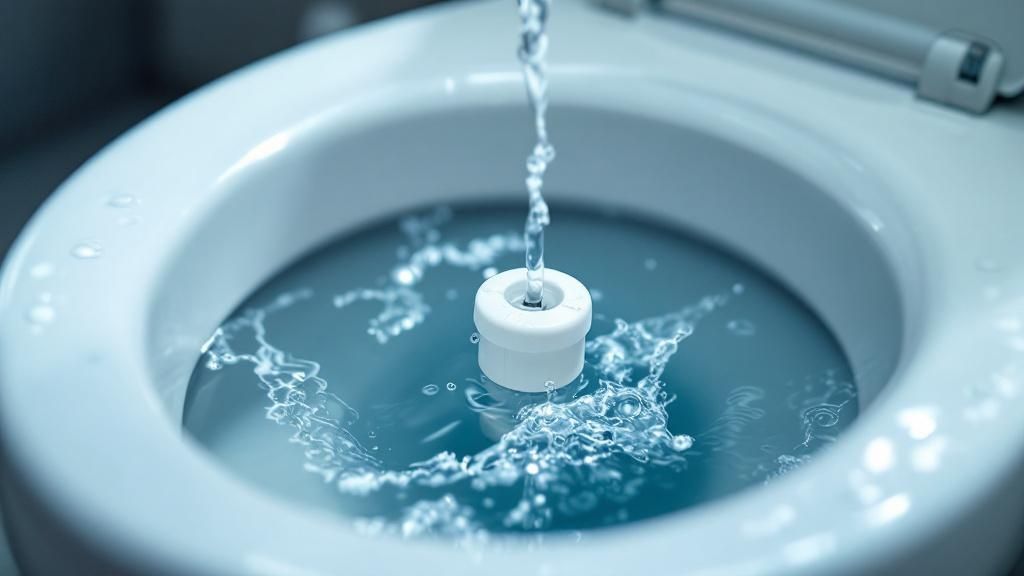
It’s a sound every homeowner in Salinas dreads: the toilet that just won’t stop running. That constant hiss of water is more than just annoying—it's a clear warning sign. And when you see water spilling over the top of the tank, you know a part inside has failed.
Unlike a clogged toilet bowl, which is about a blockage, a tank overflow is a mechanical problem. It’s a direct signal that the parts that refill the tank aren't working right.
Understanding the Parts Inside Your Toilet Tank
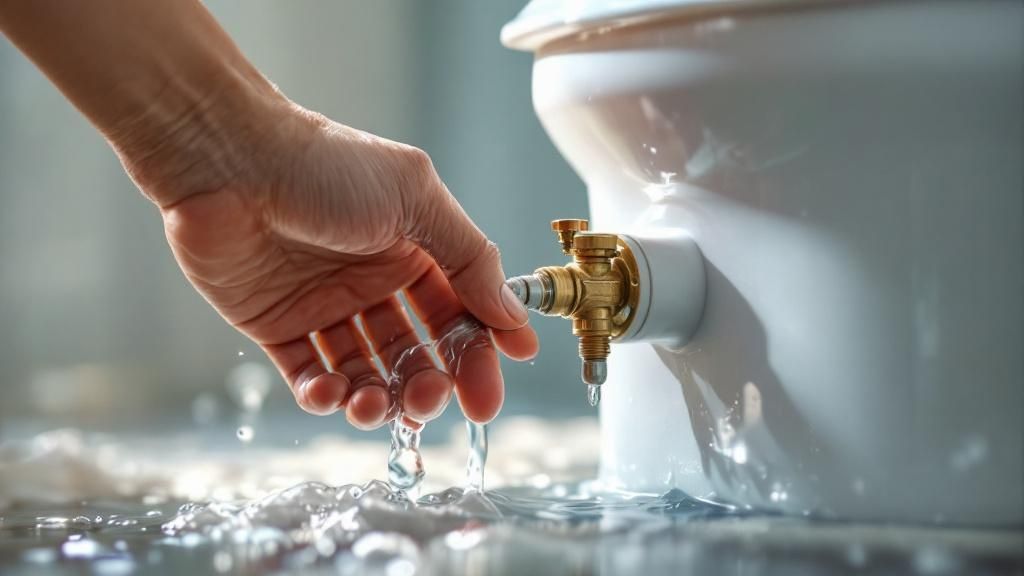
Most of us never give the inside of our toilet tank a second thought. When it’s working, it's a simple system. But when one of those plastic parts fails, you’ve got a real water problem. As a family-owned business serving communities from Carmel-by-the-Sea to Watsonville since 1988, we've seen how these small parts can cause big headaches.
The trouble usually starts with that "phantom running" sound. This means water is constantly trickling into the tank because the fill valve isn't shutting off. If that water level gets too high, it has nowhere to go but out onto your bathroom floor.
Key Components and Common Failures
Figuring out why your tank is overflowing is easier once you know the key players. It's a pretty simple setup.
To help you see what's happening, here's a quick rundown of the main parts.
Quick Look Inside Your Toilet Tank
A toilet tank overflow happens when these parts stop working together. Knowing their jobs is the first step.
| Component | Its Job | Common Failure Sign |
|---|---|---|
| Fill Valve | The tall tower that refills the tank after a flush. | Water constantly runs, or the tank won't fill at all. |
| Float Cup/Ball | Rises with the water to tell the fill valve when to shut off. | The water level is too high or too low; the valve never stops. |
| Overflow Tube | A safety drain that directs extra tank water into the bowl. | Water spills over the tank's edge instead of down the tube. |
The most common culprit we see is a worn-out or stuck fill valve. It’s the top cause of a tank overflow. Right behind it is the float cup or ball. If this part is set too high or gets waterlogged, it can't tell the fill valve to stop. The overflow tube is your last line of defense, but if the water level rises past it, you're in trouble.
Here in our service area, local conditions can be tough on these parts. The hard water we often see in the Salinas Valley, for example, causes mineral buildup that makes valves stick and fail much sooner than you'd expect.
A toilet tank overflow isn't just a hassle; it's a plumbing emergency that can cause serious water damage to floors, subfloors, and ceilings if you don't act fast.
As a family-owned business since 1988, we've seen it all. We know that even though the parts are simple, the damage from a failure can be huge. The goal is always to catch the problem and fix it before a little wasted water turns into a massive repair bill.
Diagnosing the Cause of Your Tank Overflow
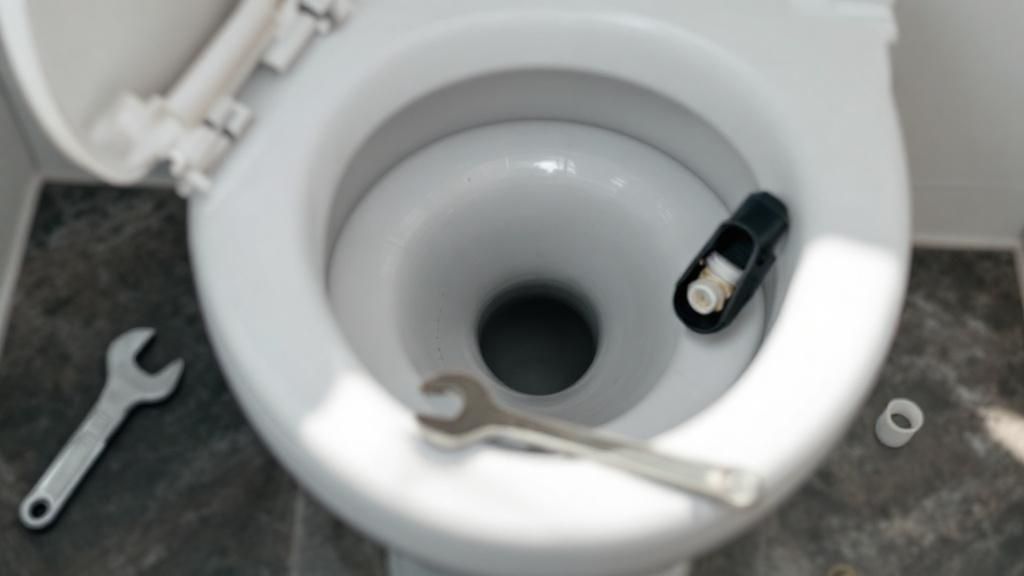
When your toilet overflows from the tank, it feels like chaos, but the cause is almost always simple. Unlike a clog in the bowl, this problem is a mechanical failure happening right inside the tank.
As a family-owned business serving Salinas and Monterey since 1988, we've seen this exact situation more times than we can count. Nine times out of ten, it all comes down to one of three small, hardworking parts giving up.
Let's lift the lid and see what’s likely causing the trouble. Think of the parts inside your tank as a team. When one member stops doing its job, the whole system breaks down, and soon there's water on your floor.
The Most Common Culprit: The Fill Valve
That tall, vertical part on one side of your tank? That's the fill valve. Its job is simple: refill the tank with water after you flush and then shut off when it's full.
When a fill valve wears out, it can't close properly, letting water run nonstop. This constant flow is what pushes the water level up and over the top, spilling out of the tank.
We see this all the time in homes around Seaside and Marina where older plumbing is common. The internal seals simply get old and wear out. This isn't just a mess; it's a hidden leak that wastes a ton of water. Knowing how to detect a hidden water leak is a key skill for any homeowner.
When the Float Is Set Too High
Attached to the fill valve is either a float cup or an older-style float ball. As the water level rises, so does the float. When it gets to the right height, it tells the fill valve to shut off the water.
But if this float is set too high, the water level will go over the overflow tube before the shut-off signal is ever sent.
Sometimes an older plastic float ball can crack and fill with water, causing it to sink and never shut the valve off. Other times, the float arm just gets bent. It’s a very simple part, but if it's not set right, a tank overflow is almost guaranteed.
An overflowing toilet isn't just a cleanup job; it can be a big financial headache. Water damage from a single toilet overflow incident can cost homeowners anywhere from $5,000 to $10,000 in repairs to floors, walls, and property. Find out more about the causes and solutions for toilet overflows.
The Flapper's Role in Overflows
While it's less direct, a bad flapper can definitely add to the problem. The flapper is that rubber seal at the bottom of the tank. If it's warped or old, it lets water constantly seep from the tank into the bowl.
This creates a "phantom flush" where the fill valve has to keep turning on to top off the tank. While this usually just wastes water, if the fill valve is also weak, this constant work can push it over the edge, causing it to fail and lead to a full overflow.
It's a chain reaction—one worn-out part puts stress on another until the whole system gives up.
The Hidden Costs of a Running Toilet
That constant hissing you hear from your toilet? That’s not just a minor quirk—it’s the sound of your money going down the drain. When a toilet constantly fills, it's a major source of water waste that can cause a huge spike in your Cal-Am water bill.
Many homeowners we talk to, from Prunedale to Pacific Grove, are shocked by how fast the costs add up. A quiet leak from a worn-out fill valve might not seem like a big deal, but the numbers tell a different story.
The Financial Drain of Wasted Water
A single bad toilet can have a huge impact on your wallet and our local water supply, which is a big deal here in Monterey County where we always need to conserve water.
Believe it or not, a running toilet can waste an amazing 200 gallons of water per day. That's like flushing a normal toilet almost 100 extra times. When you see that on your water bill, the cost of a simple plumbing repair suddenly looks like a great deal.
Waiting to fix a running toilet is one of the most expensive plumbing mistakes you can make. The cost of the wasted water is often much more than the cost of a professional repair from a family-owned company like ours, trusted since 1988.
Beyond the Water Bill: Damage to Your Home
The biggest danger of a toilet that overflows from the tank is water damage. Water can quickly seep under your flooring, soak the subfloor, and even start dripping through the ceiling of the room below.
This kind of slow flood leads to expensive problems:
- Flooring Replacement: Warped wood, stained grout, and soaked carpets often have to be completely replaced.
- Structural Damage: Moisture can rot the wooden joists and subfloor that hold up your bathroom.
- Mold Growth: Hidden moisture behind walls and under floors is the perfect place for mold, which is a health hazard and a pain to remove.
The rainy season in Castroville and our coastal communities already brings enough moisture challenges. You don't need your toilet adding to the problem. An overflow can lead to unexpected commercial cleaning expenses to handle the water damage and sanitation. Fixing the problem right away is the best way to keep a small issue from turning into a disaster.
What to Do Right Now and When to Call a Plumber
That feeling of panic when you see water spilling over your toilet tank is something no one wants. Whether you're in Pacific Grove or Watsonville, the first fear is water damage. But don't worry—you can stop it right away.
Your first move is to shut off the water to the toilet. Look behind the toilet for a small, oval-shaped valve on the pipe coming out of the wall. Turn it clockwise until it stops. This single action cuts off the water and stops the overflow from getting worse.
If the valve is stuck or won't turn, you have a plan B. Knowing how to shut off your main water supply is a key skill for any homeowner facing a plumbing emergency.
Why You Should Call a Professional
Shutting off the water is a great first step, but it’s not a permanent fix. The goal is to stop the damage, not try a complex repair you've never done before.
When a technician from Alvarez Plumbing arrives, we move fast. We've been fixing these problems since 1988, so we have it down to a science.
- Quick Diagnosis: First, we'll check the internal parts—the fill valve, the float, the flapper—to find out what failed.
- Pressure Check: It’s not always the toilet's fault. We often check the home's water pressure. High pressure can damage fill valves, and that’s a bigger issue than just one part.
- Lasting Repair: Once we find the cause, we replace it with high-quality parts that last. We're not interested in quick fixes that fail again in six months; we believe in doing the job right.
Your job is to stop the water. Our job is to find out why it happened and make sure it doesn't happen again. A quick response from you and a professional fix from us is the best way to protect your home.
When to Make the Call
So, when should you pick up the phone? The moment you've turned off the water. A toilet tank that overflows is a clear sign of a broken part. While it might seem small, it can sometimes point to bigger issues in your plumbing system.
Don't wait for water to start seeping through the floor. Stopping the flow is your first step. Calling a licensed, trusted plumber to fix the root cause is the second step to getting your home back to normal.
How to Prevent Future Toilet Tank Overflows
Alright, you’ve dealt with the immediate crisis. The water is cleaned up, and things are back to normal… for now. The next goal is making sure this never happens again. Moving from emergency mode to prevention is how you protect your home.
Think of it as a quick check-up for your toilet. A simple look inside every few months can help you catch the early warning signs of worn-out parts long before they fail.
This chart gives you a game plan for what to do if it happens again.
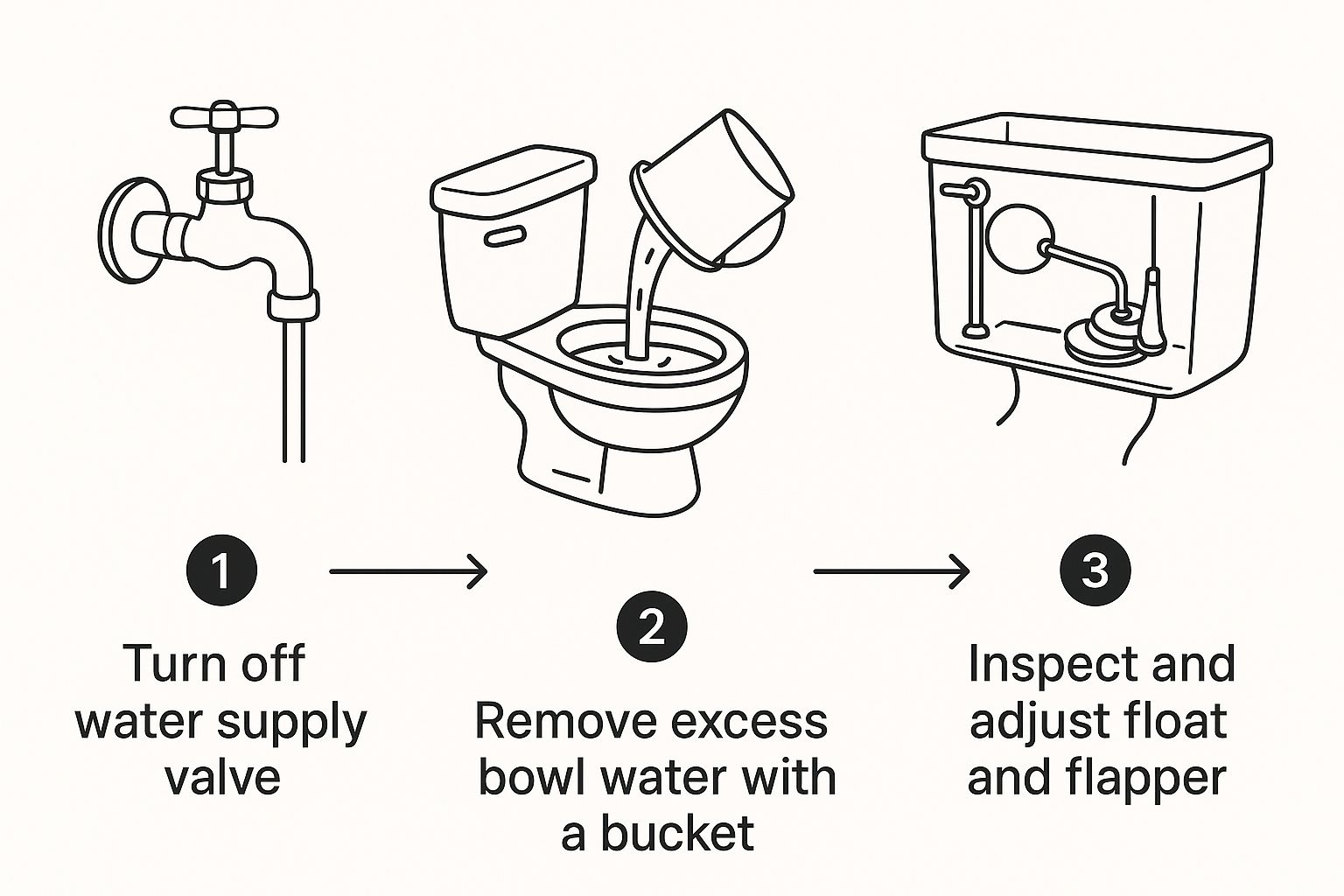
If you can remember these first steps—shut off the water, clean up the spill, and look inside the tank—you’ll reduce damage and have good information for when you call a professional.
Your Simple Toilet Maintenance Checklist
Every six months or so, pop the lid off your toilet tank and do a quick check. It only takes a minute. Here are a few things to look for.
| Check This | What to Look For | When to Call a Pro |
|---|---|---|
| Flapper Seal | Look for warping or mineral scale on the rubber flapper. Is it making a clean seal? | If replacing the flapper doesn't stop a running toilet, the fill valve may be the issue. |
| Float Movement | Is the float moving freely up and down? Does it look cracked? | If the float is set right but water still overflows, the fill valve is likely failing and needs professional replacement. |
| Mineral Buildup | Check for white, crusty deposits on the fill valve and other moving parts. | If mineral buildup has seized up moving parts, it's time for a pro. |
| Chain Slack | The chain connecting the handle to the flapper should have just a little slack—not too tight, not too loose. | If adjusting the chain doesn't fix flushing issues, the problem might be with the handle or the flapper. |
These simple checks are your first line of defense against another flood.
Consider Upgrading Old Components
If your toilet is over ten years old, its internal parts are probably on borrowed time. Modern fill valves and flappers are built better and are more water-efficient. Swapping out these inexpensive parts is one of the smartest moves you can make.
This is especially true as the seasons change. Just like you get your home ready for winter, a quick plumbing check-up can prevent nasty surprises. For more on that, check out our guide on how to prepare your home’s plumbing for winter.
Pro Tip: Proactive maintenance isn’t about becoming a DIY plumber. It's about knowing what to look for so you can call a professional before a tiny leak turns into thousands of dollars in water damage.
Don't underestimate the potential cost. Studies show just how common and expensive these failures are. One monitoring system detected 100% of simulated overflows over a 24-hour period, showing these incidents can cause thousands in damage from water leakage, mold, and ruined property. The financial risks are very real.
As a family-owned business serving the Monterey Bay area since 1988, our goal is to help you avoid these headaches. A little prevention goes a long way.
Common Questions About Toilet Tank Overflows
We’ve been serving homeowners across the Monterey Bay area since 1988, so we’ve heard just about every plumbing question there is. When it comes to a toilet tank overflow, the same questions pop up. Here are a few answers our plumbers often share with residents in Salinas and Carmel-by-the-Sea.
Why Is My Tank Overflowing but My Bowl Is Not Clogged?
This is a common question, and the answer tells you exactly where the problem is. When your bowl is clogged, water can't get out. But when the tank overflows, it means too much water is getting in.
It’s a clear sign that the issue is inside the tank. The fill valve isn't getting the signal to shut off, which usually points to a failing valve or a float that's out of place. It’s a mechanical problem happening behind the scenes.
Can I Just Adjust the Float Myself to Fix It?
Adjusting the float might seem like an easy fix, and sometimes it can help for a little while. But more often than not, it's just a temporary bandage on a bigger problem.
If the fill valve itself is old and worn out, it’s going to fail completely sooner or later, no matter where the float is. It’s always smarter to have a professional plumber find the real cause. This ensures you get a permanent repair instead of another mess in a few weeks. We’ve seen this exact situation many times in the beautiful older homes around Pacific Grove.
How Much Does It Cost to Fix a Tank Overflow?
The cost depends on what part failed. Replacing a fill valve or flapper is one of the most common and affordable jobs a plumber does. Our technicians keep their trucks stocked with quality parts to get the job done in one visit.
The real cost comes from the damage. If an overflow soaks the floor, subfloor, or the ceiling below, the total bill can climb much higher. That’s why we always tell homeowners in Watsonville and Prunedale to call the moment they hear a toilet running constantly. You can learn more about some of the most common plumbing problems that can get expensive if you wait.
Is a Running Toilet the Same as an Overflowing Toilet?
They're related, but one is an annoyance and the other is an emergency. A "running" toilet is when water constantly trickles from the tank into the bowl, making the fill valve run to keep it full. An "overflowing" toilet is when the water level rises past the overflow tube and starts spilling onto your floor.
Both issues waste a shocking amount of water. But an overflowing tank is a true plumbing emergency that will cause immediate and significant water damage to your home.
Don't let a faulty toilet tank disrupt your day or damage your home. For fast, reliable, and professional plumbing service, trust the experts at Alvarez Plumbing. Call us today or visit us online at https://alvarezplumbingsalinas.com to schedule your repair.