That weak shower is more than just a morning frustration—it's your home's plumbing trying to tell you something. Figuring out how to fix low water pressure starts with one key question: is the problem at a single faucet or all over the house? The answer points to vastly different culprits. While you might be able to clean a single clogged faucet screen, most causes require a professional diagnosis to ensure a safe and effective fix.
Tired of Trickling Taps in Your Monterey County Home?
Whether it's a sputtering kitchen faucet in Salinas or a shower that just won't cooperate in your Carmel-by-the-Sea home, low water pressure is a real hassle. We often take good, steady water pressure for granted, but it’s the quiet hero of our daily routines. It affects how fast the dishwasher runs and, of course, the simple pleasure of a relaxing shower. When it starts to fail, it’s not just an inconvenience; it’s a clear signal that your plumbing system needs attention.
As a family-owned company serving Monterey County since 1988, the team at Alvarez Plumbing has seen just about every plumbing quirk our coastal communities can throw at us. We're your neighbors, and we get it—the "why" behind your low pressure can be as unique as our local geography, from the newer construction in Prunedale to the historic homes of Pacific Grove.
Common Signs Your Pressure Is Too Low
You don't need a special gauge to know something's off. You're probably living with low water pressure if you notice things like:
- Weak Showers: The spray feels more like a light rain than a powerful stream.
- Slow-Filling Appliances: Your washing machine or toilet tank in your Watsonville home seems to take forever to fill up.
- Sputtering Faucets: The water flow is choppy and seems to have a lot of air mixed in.
These symptoms can point to a whole range of issues. Before you start worrying about a major repair, it's helpful to narrow down the possibilities.
To get a better idea of what you might be facing, here’s a quick way to diagnose the situation.
Quick Guide to Low Water Pressure Symptoms
| Symptom You Are Seeing | What It Likely Means | Next Steps to Consider |
|---|---|---|
| Low pressure at only one faucet or showerhead. | The problem is isolated to that specific fixture. | This is sometimes caused by a clogged aerator. You can try cleaning it, but if that doesn't work, call a professional. |
| Low pressure in all your hot water taps, but cold is fine. | The issue is probably with your water heater. | The shut-off valve on the water heater might be partially closed. If the valve is fully open, you need a professional inspection. |
| Low pressure in an entire section of your house (e.g., one bathroom). | There could be a clog or crimp in a branch of your plumbing. | This requires professional diagnostic tools to find the blockage without damaging your pipes. |
| Low pressure everywhere in the house, both hot and cold. | This points to a whole-house problem. | This could be the main shut-off valve, a failing pressure regulator, or a hidden leak. This requires an expert. |
Sometimes, the culprit is just a simple clog caused by the mineral-heavy water we often see here in Monterey County. Other times, though, it can be a sign of something more serious, like a failing pressure regulator or, in a worst-case scenario, a hidden pipe leak. This guide will help you understand the potential causes and explain why bringing in a licensed expert is the surest path to a lasting solution.
Diagnosing the Problem: Single Faucet vs. Whole House
The first step is a little detective work. Is the low water pressure just in one spot, like your kitchen sink in Watsonville? Or is every faucet and showerhead in your house sputtering, from Seaside to your neighbor's place in Salinas? The answer to that one question tells a professional plumber a lot about what's really going on.
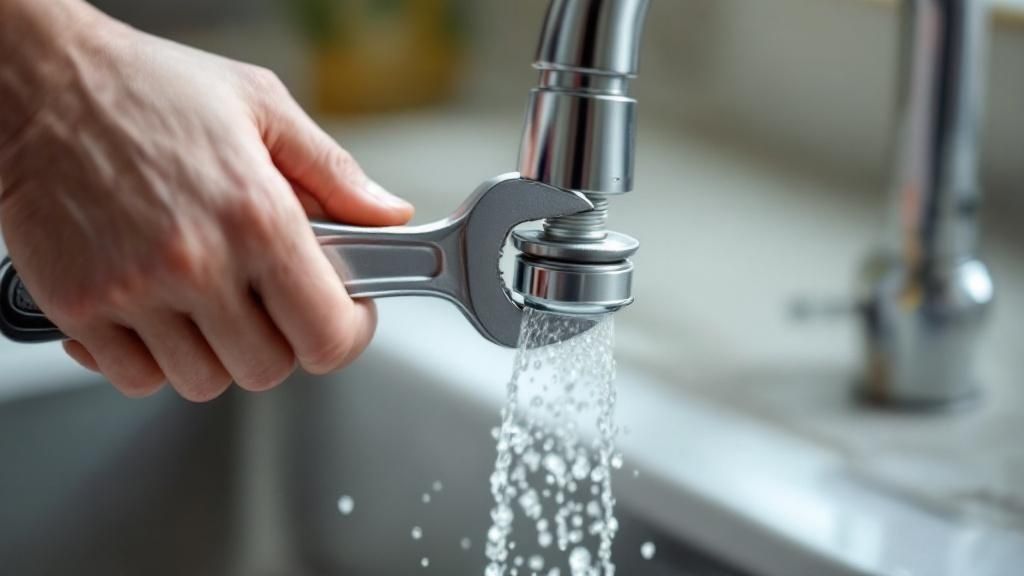
If you’ve tracked the weak flow to a single fixture, the odds are good that the culprit is a clogged aerator or showerhead. We see this all the time. Mineral buildup from our local water supply—a common issue from Marina to Carmel Valley—can clog these small parts surprisingly fast. A simple cleaning might solve it, but if the problem persists, it's best to have a plumber take a look.
Pinpointing a Whole-House Pressure Problem
But what if your entire Marina home has gone from a strong flow to a weak trickle? That's a different story. When the pressure drop is system-wide, it points to a much bigger issue that needs a professional look.
A whole-house problem could be caused by a few things:
- The main water shutoff valve to your home might have been accidentally turned partway.
- Your home's Pressure Reducing Valve (PRV) could be failing or broken.
- There might be a problem with the city's supply line leading to your property, an issue sometimes seen during municipal maintenance in Monterey or Seaside.
It's also a good idea to think about all the places your home uses water. Sometimes, an issue with an outdoor system can be a clue to a larger problem, which is why a good sprinkler system inspection checklist can be a handy reference.
This image shows one of the most important components of your home's water system: the main shutoff valve.
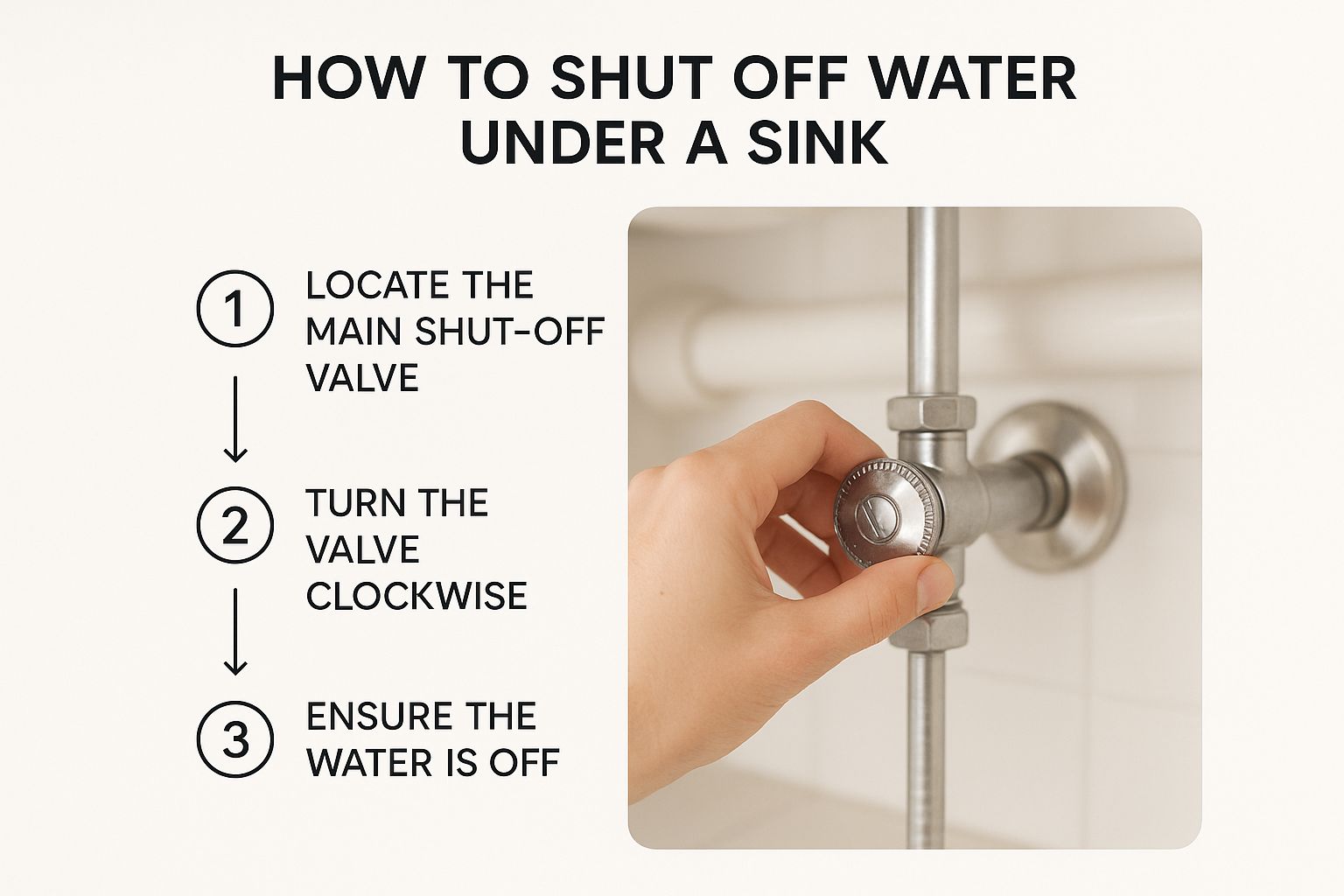
Knowing where this valve is and what it does is crucial, but troubleshooting it on your own can be risky.
Expert Insight: A sudden, whole-house drop in water pressure is a serious red flag. It often points to a major leak somewhere or a complete failure of a critical part like the PRV. Don't ignore this—it could lead to serious water damage if left unchecked.
Because these system-wide issues can get out of hand fast, it’s best not to wait and see. If you think you're dealing with a whole-house problem, our team offers 24-hour emergency plumbing to find and fix the issue safely and quickly.
Common Culprits Behind Whole-House Pressure Drops
When it's not just one sink acting up but the whole house suffering from weak water pressure, the problem is almost always lurking right where the water first enters your home. In our 35+ years of experience across Monterey County, from Salinas to Pacific Grove, we've found two parts are the usual suspects: the main shutoff valve and the Pressure Reducing Valve (PRV). Think of them as the gatekeepers for your entire home's water supply.
It's surprisingly common to find the main water shutoff valve is the culprit. After other work has been done in the house, it’s easy for this valve to get nudged into a partially closed position. This simple mistake can instantly choke off the flow to every single faucet and leave homeowners scratching their heads.
The Role of the Pressure Reducing Valve (PRV)
More often than not, the real issue lies with a faulty Pressure Reducing Valve. The PRV is a bell-shaped device, and its job is to tame the high-pressure water the city sends your way, protecting your pipes and appliances. But when a PRV starts to fail, it can cause more than just a weak shower.
You might notice some tell-tale signs:
- Pressure that’s all over the place, going from a trickle to a blast without warning.
- A loud banging or "hammering" noise coming from the walls when you turn faucets on or off.
- Persistently low pressure that makes your washing machine take forever to fill.
A Plumber's Warning: We see it all the time, but please, resist the temptation to adjust the PRV yourself. Cranking up the pressure might seem like a quick fix, but it can void appliance warranties and, worse, lead to burst pipes or serious damage to your fixtures. This is a job that needs a professional touch to ensure it’s set safely and up to local code in cities like Salinas or Monterey.
A failing PRV can also create a ripple effect, putting extra strain on other parts of your plumbing. For instance, we've had calls where the symptoms pointed to a water heater problem, but the real issue was a malfunctioning PRV upstream. To see what we mean, you can read more about common issues in our guide to water heater repair and replacement.
Because both the main valve and the PRV are such critical components, any troubleshooting or repairs should really be left to a licensed plumber. At Alvarez Plumbing, we have the right tools and years of experience to pinpoint the problem and get your water pressure back to normal, safely and correctly.
When Aging Pipes and Hidden Leaks Are the Cause
Sometimes, the culprit behind your low water pressure isn't a simple valve adjustment. It’s a silent problem hiding within the very bones of your home's plumbing. For many older homes, especially in established communities like Pacific Grove and Carmel Valley, the original plumbing was built with galvanized steel pipes. After decades of service, these pipes are starting to show their age.
The issue with galvanized pipes is corrosion that happens from the inside out. Rust and mineral scale, common with our local water, gradually build up and shrink the pipe's internal diameter. It’s a slow process that leads to chronic low pressure, the kind that seems to get a little worse every single year.
The Problem with Old Plumbing
As plumbers who have worked in this area for decades, we’ve seen countless cases where corroded pipes have brought a home's water system to a frustrating crawl. When the problem is the pipe itself, no amount of fiddling with fixtures will fix it.
The only real, long-term solution for this kind of internal decay is professional repiping. While it sounds like a major project, our family-owned team at Alvarez Plumbing has specialized in efficient home repiping since 1988. We focus on restoring strong, reliable water pressure for good, with as little disruption to your life as possible.
Spotting a Hidden Water Line Leak
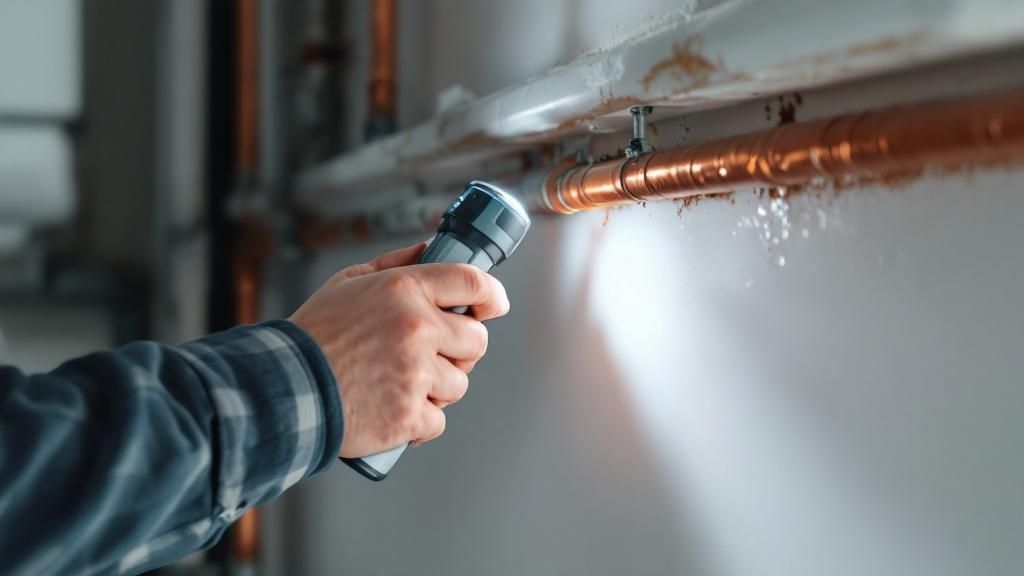
Another serious cause of a sudden drop in pressure is a hidden leak in your main water line—the pipe running underground from the street to your house. Since it's buried, a leak can go unnoticed for a long time, quietly wasting water and potentially causing sinkholes or damaging your foundation, a particular concern in areas with sandy soil like Marina and Seaside.
Key Takeaway: A sudden, noticeable drop in water pressure, especially when paired with a surprisingly high water bill, is a classic sign of a hidden leak. If you see a perpetually damp, soggy spot in your yard that never seems to dry out, it's time to call a professional right away.
Fixing a main line break isn't a DIY job. It requires specialized equipment to locate and repair the damage correctly. Trying to tackle it yourself can easily lead to bigger, more expensive headaches. A significant leak can also put a strain on your other appliances, so it’s helpful to be aware of how different systems are connected. For instance, understanding the basics of water heater repair in Monterey can give you a more complete picture of your home's plumbing health.
How Regional Water Conservation Affects Your Home
Living here in beautiful Monterey County means we all have a role to play in looking after our water. It’s a precious resource, and sometimes, what feels like a plumbing issue in your home is actually part of a much bigger picture. Before you assume you have a leak or a clog, it's worth considering if your low water pressure is coming from outside your property lines.
During the seasonal droughts common to our coastal climate, it’s not unusual for local water authorities—from Salinas to Monterey—to reduce pressure across the entire system. This is a deliberate, necessary step to manage our water supply for everyone. It can, however, lead to a noticeable drop at your faucet that has nothing to do with a problem in your pipes. As water scarcity becomes a more pressing global issue, you can expect to see more of this. A global report from Circle of Blue really puts into perspective how these shortages impact communities far and wide.
A Partnership Approach to Water Pressure
When the whole region is on a water diet, trying to "fix" the pressure at your house isn't the right approach. Instead, think of it as a partnership. The real goal is to adapt to these regional adjustments by making your home’s plumbing as efficient as it can be, so you get the most out of every drop you receive.
This is where a drought-smart plumbing audit from a professional becomes incredibly valuable. It’s a focused check-up designed to:
- Hunt down and fix those small, wasteful leaks that add up over time.
- Suggest upgrades to modern, low-flow fixtures that are designed to perform well even with lower water pressure.
- Make sure your home's entire system is working in harmony with our community's conservation goals.
We’ve helped plenty of homeowners in places like Carmel Valley and Prunedale make these exact adjustments. It’s all about maximizing efficiency so that even when the municipal pressure is lower, your showers still feel great and your faucets work just fine.
Taking these kinds of proactive steps not only improves how your plumbing performs day-to-day but also makes you a vital part of ensuring our area's long-term water security. If you're interested in doing more, have a look at our guide on 10 easy ways to conserve water at home.
Your Monterey Water Pressure Questions Answered
As a family-owned business serving our neighbors since 1988, we've heard just about every question there is about water pressure. From older homes in Pacific Grove to newer developments in Prunedale, the same concerns often pop up. Here are some clear, straightforward answers to the questions we hear most often.
Can My Water Heater Cause Low Hot Water Pressure?
Yes, absolutely. If you only notice low pressure when you turn on the hot tap, the problem is almost certainly connected to your water heater. It's a classic plumbing clue that helps a professional plumber narrow down the cause without checking the entire house.
The most common culprits we find are:
- Sediment Buildup: Over time, minerals from our local Monterey County water can settle in the tank. This gunk can obstruct the outlet pipe and essentially strangle the flow of hot water.
- Valve Issues: The shutoff valve on the heater's cold water supply line might be partially closed, or the temperature and pressure (T&P) relief valve could be malfunctioning.
- Kinked Connectors: The flexible lines connecting the heater to your plumbing can sometimes get kinked or bent, creating a nasty bottleneck.
It's crucial to have a licensed plumber inspect the unit to diagnose the issue correctly and ensure it continues to operate safely.
Is Installing a Water Pressure Booster Pump a Good Idea?
A booster pump can be a fantastic solution, but only after a proper diagnosis confirms it's the right tool for the job. Think of it this way: if your low pressure is caused by severely corroded pipes, installing a pump is like putting a bigger engine in a car with clogged fuel lines. It just puts more stress on a system that's already failing.
Booster pumps are most effective when the municipal water supply to your neighborhood is consistently low. We always recommend a full plumbing evaluation for your Salinas or Monterey home first to make sure a pump will solve the problem, not create a new one.
How Much Does It Cost to Fix Low Water Pressure?
This is one of the toughest questions to answer without seeing the problem firsthand, because the cost depends entirely on the root cause. A minor service call to clear a clog is one thing. Replacing a faulty Pressure Reducing Valve (PRV) is a more involved, but still very common, repair.
The most significant investment, of course, is repiping a section of a home with old, corroded pipes. This is exactly why we always start with a thorough, professional diagnosis. Once we pinpoint the source of your low pressure, we provide clear, upfront pricing so you can make an informed decision with no surprises.
A sudden, dramatic drop in pressure can be alarming and may point to a major pipe break. If this happens, it's wise to get help right away. Our team is always ready to provide emergency plumbing repair near you to prevent costly water damage.
When you need a definite answer to your water pressure problems, trust the team that's been serving Monterey County for over 35 years. For a professional diagnosis and a lasting solution, contact Alvarez Plumbing at https://alvarezplumbingsalinas.com.