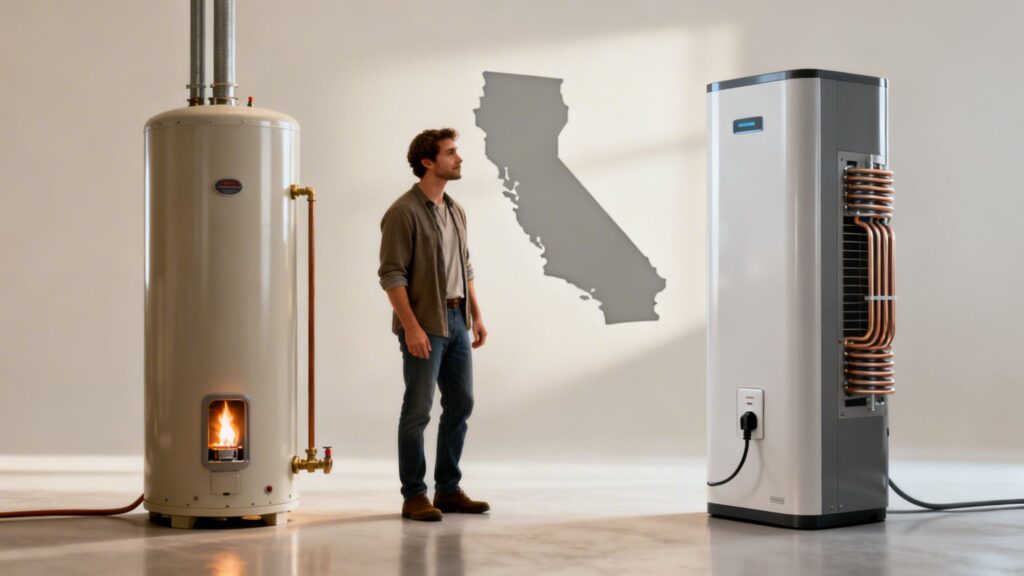
Yes, you can still buy and install a new gas water heater in California—for now. But before you rush to replace your old unit with another gas model, it’s important to understand that this option has a firm expiration date. Homeowners replacing an old gas water heater are starting to ask: Is it even legal to install another one? What’s changing with the rules, and what should I replace it with?
Let's break it down.
The Clock Is Ticking on Gas Water Heaters
If you live anywhere in Salinas, Carmel-by-the-Sea, or the greater Monterey Bay area, you've seen the push toward cleaner energy. This statewide shift is changing the rules for home appliances, and your water heater is at the top of the list. While you can legally replace a broken gas unit today, California is phasing them out for good.
We get it. When your hot water suddenly dies on a chilly Prunedale morning, your first thought is getting it back on as quickly as possible. But the answer to "Can I still buy a gas water heater?" is more complex than a simple yes or no.
California's Official Phase-Out Plan
California has laid out a clear roadmap to move away from natural gas appliances. As your local plumbers since 1988, we want to make sure you have all the facts. California is phasing out new gas water heater sales starting in 2030, and some cities are even doing it sooner. This means gas models are on their way out, and electric heat pump water heaters are quickly becoming the new standard.
To help you see what’s coming, here's a simple timeline of the key dates every homeowner in Monterey County should know.
California Gas Water Heater Ban Timeline
This table shows key dates and regulations for gas water heater installations and what they mean for Monterey County residents.
| Year | Regulation or Milestone | What This Means for You |
|---|---|---|
| Today | Replacement is Legal | You can still legally buy and install a new gas water heater to replace a failed unit. A permit is required, but it's an option. |
| 2027 | Regional Ban Begins | Some areas, like the Bay Area, will ban sales of new NOx-emitting gas water heaters. While this doesn't hit Monterey County directly, it shows where the state is headed. |
| 2030 | Statewide Ban on New Sales | A full statewide ban on the sale of new gas water heaters and furnaces takes effect. After this date, you will not be able to purchase a new gas-powered model. |
As you can see, the window to install a new gas water heater is closing. By 2030, electric models will be the new standard for everyone.

Buying a gas water heater today is like buying a car that will soon have no fuel stations. It works now, but in a few years, finding parts or service will become a headache. As a family-owned business serving our neighbors since 1988, we’re here to help you make the best decision for your home's future.
Why California Is Shifting Away from Natural Gas
You might be wondering why these new rules are a hot topic. The simple answer is that California is pushing for cleaner energy, and our homes are a huge piece of that puzzle. These regulations are about building a healthier, more sustainable future for all of us, right here in Monterey County.
It's like the auto industry’s shift from gasoline to electric cars. A decade ago, an EV was rare. Now, they’re everywhere because they’re more efficient and don’t have tailpipe emissions. The state is steering our homes in a similar direction, away from appliances that burn natural gas.
Connecting State Goals to Our Local Environment
For anyone living in Salinas, Marina, or Carmel-by-the-Sea, the benefits of this transition are very real. Gas appliances, including your water heater, release nitrogen oxides (NOx), a major component of smog. These emissions hurt the air quality in our beautiful Salinas Valley and can cause health problems.
The Bay Area Air Quality Management District (BAAQMD) estimates that swapping all gas space and water heaters for zero-NOx appliances would save up to $890 million in health care costs every single year in that region. While that number is for the Bay Area, it shows the massive health impact these appliances have.
This statewide effort is about protecting the local environment we all love. From the clean air our agriculture in Castroville and Watsonville depends on, to the clear skies over Monterey Bay, cutting these emissions helps preserve what makes our community special. Even the iconic fog that rolls into Pacific Grove is part of a delicate climate these policies aim to protect.
It's a Statewide Team Effort
This decision is a key part of a larger plan to make California's energy supply stronger and less dependent on fossil fuels. Every home that switches to a high-efficiency electric appliance helps build a more reliable and cleaner energy grid for the entire state.
This change is more than just following rules; it's an investment in our shared future. By embracing technologies like heat pump water heaters, we're future-proofing our homes. Want to learn more? Check out our guide on eco-friendly plumbing solutions for every homeowner.
As your local plumbing experts and neighbors since 1988, we see this as a positive step. We're here to help you understand the "why" behind the rules so you can feel confident in your choice. The goal is a steady, planned transition, not a sudden jolt.
The Hidden Costs of Installing a New Gas Heater Today

When your gas water heater dies, the gut reaction is to just get another one. It seems like the quickest fix. But that short-term fix could cost more in the long run. Many homeowners still assume gas is the default and replace their failing unit with a like-for-like option. But that could lead to bigger headaches and expenses down the road.
It's about thinking in terms of total cost of ownership. This includes the sticker price, energy bills, repairs, and the inevitable cost of replacing it again. Installing a new gas water heater now is a bet against the clock you're almost guaranteed to lose.
The 10-Year Trap
Let’s walk through a common scenario in Watsonville and Seaside. Your gas water heater, which lasted about 12 years, finally gives out. You get a new gas model installed and breathe a sigh of relief. Problem solved, right? Not so fast.
That new gas water heater has a lifespan of about 10 to 12 years. That means it will likely fail around 2036. By then, California’s statewide ban on selling new gas water heaters, which starts in 2030, will have been law for years.
When your "new" gas unit dies in 2036, you'll be forced to switch to an electric system on an emergency timeline.
An emergency replacement is almost always more expensive and stressful than a planned one. By waiting, you lose the chance to choose the right system, secure the best pricing, and take advantage of available rebates.
This forced upgrade comes with its own problems. You’ll be scrambling to find a qualified installer and could face a long wait for necessary electrical work.
Future Scarcity and Rising Repair Costs
Even before your gas unit fails, keeping it running will get more expensive. As California transitions to electric, here’s what that means for you:
- Parts Will Become Harder to Find: Manufacturers will slow down making parts for old gas models. A simple fix today could become a frustrating hunt for a rare part in 2032.
- Fewer Technicians Will Specialize in Gas: The pool of plumbers who are experts in gas water heaters will shrink, making repairs more difficult and costly.
- Your Home's Resale Value Could Be Affected: As homebuyers in places like Carmel and Pacific Grove get smarter about these regulations, a home with an aging gas water heater could be seen as having a hidden expense, potentially impacting its value.
Thinking about the full lifecycle of your water heater now can save you money and stress. Instead of kicking the can down the road, you can make a smart, future-proof decision today. If you're considering an upgrade, learn more about what goes into the water heater replacement cost.
Meet the Heat Pump Water Heater: Your Best Option Going Forward

With gas water heaters being phased out, what comes next? The answer is the modern, efficient electric heat pump water heater (HPWH). This is the technology California is shifting to, and it’s the smartest choice for your home and your wallet.
So, how does it work? A heat pump water heater works like a refrigerator in reverse. Instead of pushing heat out, it pulls warmth from the surrounding air and transfers it into the water in its tank. This process is very efficient because it moves existing heat instead of creating it.
Future-Proofing Your Home
Choosing a heat pump water heater today is the best way to future-proof your home against the coming regulations. Installing an HPWH means you won't have to worry about the 2030 sales ban. You'll already be compliant.
It’s smart to start planning for an electric heat pump model now. They’re more efficient, future-proof, and qualify for federal incentives. They may need a panel upgrade or minor electrical work, but switching now can save you time and money versus waiting.
By upgrading now, you get to choose the best unit for your family, schedule the installation on your terms, and take full advantage of rebates. It turns a potential crisis into a planned home improvement project.
Making this change ensures your home is ready for the next decade and beyond, adding value and peace of mind. Learn more about how we handle these modern systems in our guide to heat pump water heater installation in Monterey.
Gas Water Heater vs Heat Pump Water Heater Comparison
Here's a side-by-side look at how a traditional gas water heater compares to a modern heat pump unit for Monterey Bay homeowners.
| Feature | Traditional Gas Water Heater | Electric Heat Pump Water Heater |
|---|---|---|
| Upfront Cost | Lower | Higher (but offset by rebates) |
| Energy Efficiency | 60-80% efficient | 300-400% efficient (moves heat, doesn't create it) |
| Monthly Operating Cost | Moderate to high, depends on gas prices | Very low |
| Lifespan | 8-12 years | 10-15 years |
| Environmental Impact | Burns fossil fuels, produces emissions | All-electric, no direct emissions |
| Rebates & Incentives | None | Significant federal & local rebates available |
| Future-Proofing | Will be banned for sale after 2030 | Compliant with future California regulations |
While the initial investment for a heat pump water heater might be higher, rebates and long-term energy savings make it the clear winner for your budget and the environment.
Making the Switch Simple
A common concern in older properties—like historic houses in Pacific Grove or homes in Prunedale—is whether their electrical system can handle a new HPWH. It’s a valid question, as these units typically need a 240-volt circuit.
The good news is that this is rarely a major issue. Alvarez Plumbing is already helping local homeowners navigate the transition to electric heat pump systems. We coordinate any necessary upgrades and help clients secure rebates—making the switch easier and more affordable.
Here’s what our process looks like:
- Home Assessment: We visit your home to assess your current setup, including your electrical panel.
- Clear Plan: We explain what’s needed. If an electrical upgrade is necessary, we outline the requirements.
- Coordination with Electricians: We work with trusted, licensed electricians and handle all the coordination for you.
- Seamless Installation: Our team installs your new heat pump water heater, making sure it’s running perfectly.
Our goal as a family-owned business serving Monterey County since 1988 is to make this process hassle-free. We manage all the details from start to finish.
How Rebates Make Your Upgrade Affordable
Let's talk about the price. The upfront cost of new technology is a real concern. But you don’t have to shoulder the full cost of a heat pump water heater alone. Financial help is available to make this upgrade surprisingly affordable.
Tapping into Federal and Local Incentives
For homeowners in Salinas, Monterey, and across the county, federal tax credits and local rebates can slash the initial price. These programs are a helping hand from the government and utilities to encourage you to switch to more efficient appliances. The programs are straightforward and the savings add up fast.
These incentives are designed to make the best long-term choice the most affordable choice today. By taking advantage of them, you’re not just saving money upfront; you’re investing in lower monthly bills and a future-proof home.
How Alvarez Plumbing Maximizes Your Savings
Figuring out which rebates you qualify for can be a chore. That's where we come in. At Alvarez Plumbing, we're your partners in this process. As a family-owned business serving communities like Marina and Carmel Valley since 1988, our reputation is built on trust.
Our team is always on top of the latest programs. Here’s how we make it easy:
- We find every dollar: We pinpoint every federal, state, and local rebate you’re entitled to.
- We handle the paperwork: We manage the entire application process for you.
- We give you honest advice: We lay out exactly how rebates bring your cost down so you can make a confident decision, no pressure.
For example, rebates of up to $1,750 are available for qualified heat pump water heater upgrades, making this an incredibly smart move right now. You can find more information about these programs and see how they are structured to help residents.
Upgrading to a new, efficient water heater is a great investment for any homeowner in the Monterey Bay area. With the right guidance and the full benefit of these rebates, it’s a decision that pays for itself.
Your Local Partner for a Future-Proof Home

Trying to make sense of new regulations can feel overwhelming. But you don't have to do it alone. As a family-owned business serving the Monterey Bay area since 1988, Alvarez Plumbing is your neighbor. Our goal is to give you the clarity to make the best choice for your home.
We're already helping homeowners across Castroville, Marina, and Carmel Valley switch to modern electric systems. We handle everything from finding the perfect unit to coordinating with trusted local electricians for any needed upgrades.
A Partner, Not a Salesperson
Our approach is built on honest, pressure-free advice. When you call us, you'll talk to a professional plumber who will listen to your needs, check your home's setup, and lay out a plan to future-proof your hot water.
We believe an informed customer is a happy customer. Our job is to give you the facts—long-term savings, rebate options, and the installation process—so you can make a decision that feels right for your family and budget.
This focus on clear guidance is why so many residents trust us. If you're curious about what sets a dedicated local team apart, learn more about why local expertise matters when hiring a trusted Monterey plumber. We’re committed to building real relationships based on top-notch work.
Making the Switch Simple and Affordable
One of the most valuable things we do is manage the entire rebate process for you. We stay on top of every incentive to get you every last dollar of savings. We find what you qualify for and handle the paperwork.
This complete support turns a complicated project into a streamlined upgrade. If you live in Salinas or the Monterey Bay area and your gas water heater is aging out, Alvarez Plumbing can help you make the switch before the deadlines hit. Call for an evaluation and rebate guidance—no pressure, just honest answers.
Frequently Asked Questions About California's Water Heater Rules
These new rules can be a lot to take in. Having served homeowners across the Monterey Bay area since 1988, we've heard just about every question. Here are the answers to the top concerns we're hearing from your neighbors.
Can I Still Get My Gas Water Heater Repaired After 2030?
Yes, absolutely. The new regulations target the sale and installation of new gas units, not maintaining existing ones. You will still be able to get your current gas water heater repaired.
However, as manufacturers focus on electric models, finding parts for older gas units will get harder and more expensive. Planning an upgrade before your old heater fails is the best way to avoid a future headache.
Is My Home in Salinas Ready for a Heat Pump Water Heater?
That’s a smart question, and for most homes, the answer is yes. The main thing to check, especially in older houses, is the electrical setup. These units need a 240-volt circuit—the same kind your electric clothes dryer uses. Some homes might need a minor electrical update.
When an Alvarez Plumbing technician comes out, one of the first things we do is look at your electrical panel. We'll tell you exactly what’s needed and can coordinate with a licensed electrician to keep it simple for you.
Are There Special Rules for HOA Communities in Carmel?
This is a critical point. Many Homeowners' Associations, especially in places like Carmel-by-the-Sea and Pacific Grove, have their own rules about appliance installations and exterior vents.
We always tell our customers to check their HOA guidelines. Our team has decades of experience working with HOAs all over Monterey County, so we know how to provide the right documentation to help get things approved smoothly.
Is a Tankless Gas Heater a Good Alternative?
While gas tankless water heaters are more efficient than old tank models, they still burn natural gas. That means they fall under the same 2030 phase-out for new sales. If you're having issues with one now, you can learn more from our guide on gas hot water heater troubleshooting.
A tankless model might work as a short-term solution, but it's not a long-term answer. An electric heat pump water heater is the only choice that is truly future-proof and unlocks the biggest rebates, making it the best investment for your home.
If your water heater is getting old, don't wait for it to fail. The experts at Alvarez Plumbing can give you an honest, no-pressure look at your options and help you plan for what's next. Contact us today for a consultation and expert guidance on rebates.