
Living in an older home in Salinas, Monterey, or Carmel-by-the-Sea comes with undeniable charm. But beneath the beautiful historic details, a network of aging pipes could be silently plotting a disaster. As we move into 2026, shifting regulations, decades of wear from our Central Coast hard water, and materials simply reaching their expiration date are creating a perfect storm for plumbing emergencies. Many homeowners don’t realize a problem exists until a wall is soaked or a drain backs up into their living room.
Identifying these issues before they escalate is key, especially if you're considering buying or selling an older property. That's why professional evaluations are so important; comprehensive Pre-Purchase Building Inspections are crucial for uncovering hidden plumbing risks and giving you a clear picture of a home's true condition. These inspections offer peace of mind before you commit to a major investment.
This guide will uncover the six most common plumbing risks hiding in older homes in 2026. As a family-owned business serving Monterey County since 1988, Alvarez Plumbing has seen firsthand how a small, unnoticed problem can turn into a costly catastrophe. We are not just plumbers; we are your neighbors, dedicated to protecting your home. We'll show you what to look for, explain why these issues are becoming more critical now, and provide clear, actionable steps to protect your property and family. Let's get started.
1. Built Before 1980? Your Pipes Are on the Clock
If your home in Salinas or Monterey County was built before 1980, there's a strong possibility it has galvanized steel pipes. Once the industry standard, these pipes were coated with zinc to prevent rust. However, after 40 to 60-plus years of service, that protective zinc layer is often long gone, making this one of the most critical plumbing risks hiding in older homes in 2026.
The problem starts from the inside out. Over decades, the zinc coating erodes, exposing the raw steel underneath. This steel then begins to rust and corrode, constricting the pipe's interior diameter like a clogged artery. This corrosion process is often accelerated by the hard water common throughout the Central Coast, from Marina to Pacific Grove, which leaves behind mineral deposits that further choke the pipes.
Why This is a Ticking Clock for Your Home
The consequences of failing galvanized pipes are more than just an inconvenience; they can lead to significant damage. Initially, you might notice subtle signs, but they point to a much larger systemic issue.
- Drastic Drop in Water Pressure: As pipes become narrower internally, water flow is severely restricted. You'll notice weak showers and faucets that barely trickle.
- Discolored or "Rusty" Water: When you first turn on a tap, you might see a burst of brown or yellow water. This is rust breaking free from the inside of your pipes.
- Frequent and Unexpected Leaks: The corrosion doesn't happen evenly. It creates weak spots that eventually turn into tiny pinhole leaks behind walls or under floors, causing slow water damage that can lead to mold and costly structural repairs. One leak is often a warning sign that the entire system is compromised.
Key Insight: A single pinhole leak in a galvanized pipe system is rarely an isolated incident. It's a clear signal that the entire plumbing network is reaching the end of its functional lifespan and other failures are likely imminent.
How to Spot and Address Galvanized Pipe Issues
Don't wait for a burst pipe to flood your Castroville home. Be proactive by looking for these telltale signs and taking action.
Short-Term Fixes:
For localized pressure issues, Alvarez Plumbing can sometimes use hydro jetting to temporarily scour away some of the buildup and improve flow. However, this is a temporary solution, as the pipe walls themselves are still weak and corroded.
Long-Term Solutions:
The only permanent solution is a full or partial repipe. This involves replacing the old, failing galvanized pipes with modern, durable materials like copper or PEX. Homeowners often worry about the disruption, but our expert team at Alvarez Plumbing plans these projects to minimize impact, often completing them faster than you'd expect. Understanding when to upgrade your home’s plumbing system can save you from the headache and expense of an emergency failure.
Additionally, understanding the best practices for preventing corrosion in plumbing fittings can help you maintain the health of your new system for decades to come, ensuring your investment is well-protected.
If you suspect your older home has galvanized pipes, the best first step is a professional inspection. We can use video camera technology to assess the internal condition of your plumbing and give you a clear, honest evaluation of what needs to be done.
2. New EPA Rules Target Aging Pipes
If your Monterey County home was constructed before the 1980s, you could have lead water service lines. The EPA now requires all lead water service lines to be replaced within 10 years—and around 9 million homes nationwide still have them. If you live in an older neighborhood in Salinas or Seaside, it may be time to find out what your pipes are made of—for your health and your home’s future value.
Older sewer lines present another major challenge. Most homes built before 1975 have cast iron sewer lines. After 50-plus years buried in our local soil, these pipes are prone to cracking, corrosion, and one of the most destructive plumbing risks: aggressive tree root intrusion. The mature oak and pine trees found in older Salinas neighborhoods are common culprits, as their roots seek out and invade tiny cracks in the pipe, causing blockages.
Why This is a Ticking Clock for Your Home
A compromised lead service line or cast iron sewer line isn't just a minor issue; it's a direct threat to your property's health and safety. Ignoring the initial warning signs can lead to failures that are both expensive and unhealthy.
- Health Risks from Lead: Lead is a serious neurotoxin, and there is no safe level of exposure. Corroding lead lines can leach particles into your drinking water.
- Frequent Sewage Backups: The most obvious sign of a sewer line problem is recurring backups in your toilets, tubs, and floor drains. This indicates a significant blockage downstream.
- Soggy or Unusually Green Patches in Your Yard: Sewage leaking from a broken pipe can saturate the ground, creating lush, green spots or persistent dampness, even in dry weather like we often see in Carmel Valley.
- Unpleasant Odors: The smell of raw sewage in your yard or basement is a clear indicator that your sewer line is cracked and leaking waste into the surrounding soil.
Key Insight: A single sewer backup is more than an inconvenience. For older homes with cast iron pipes, it's often the first symptom of a systemic failure caused by decades of root intrusion and pipe degradation.
How to Spot and Address Sewer Line Issues
Proactive detection is the best defense against a sewage disaster in your Seaside home. Understanding your options can save you thousands in emergency cleanup and repair costs.
Short-Term Fixes:
For minor root infiltration, Alvarez Plumbing can use hydro jetting. This process uses high-pressure water to scour the inside of the pipe, cutting through roots and clearing blockages. While effective, this is a maintenance solution, not a permanent repair, as the roots will eventually grow back.
Long-Term Solutions:
The most reliable solution is to repair or replace the damaged section of the pipe. Traditionally, this involved digging a large trench across your yard. Today, however, we often recommend trenchless sewer line replacement. This modern method allows us to create a new, seamless pipe within the old one with minimal digging, preserving your landscaping. A camera inspection is the crucial first step. Understanding the cost and process of a sewer line camera inspection is essential for any homeowner with an older property.
3. Monterey Bay’s Hard Water Speeds Up Pipe Damage
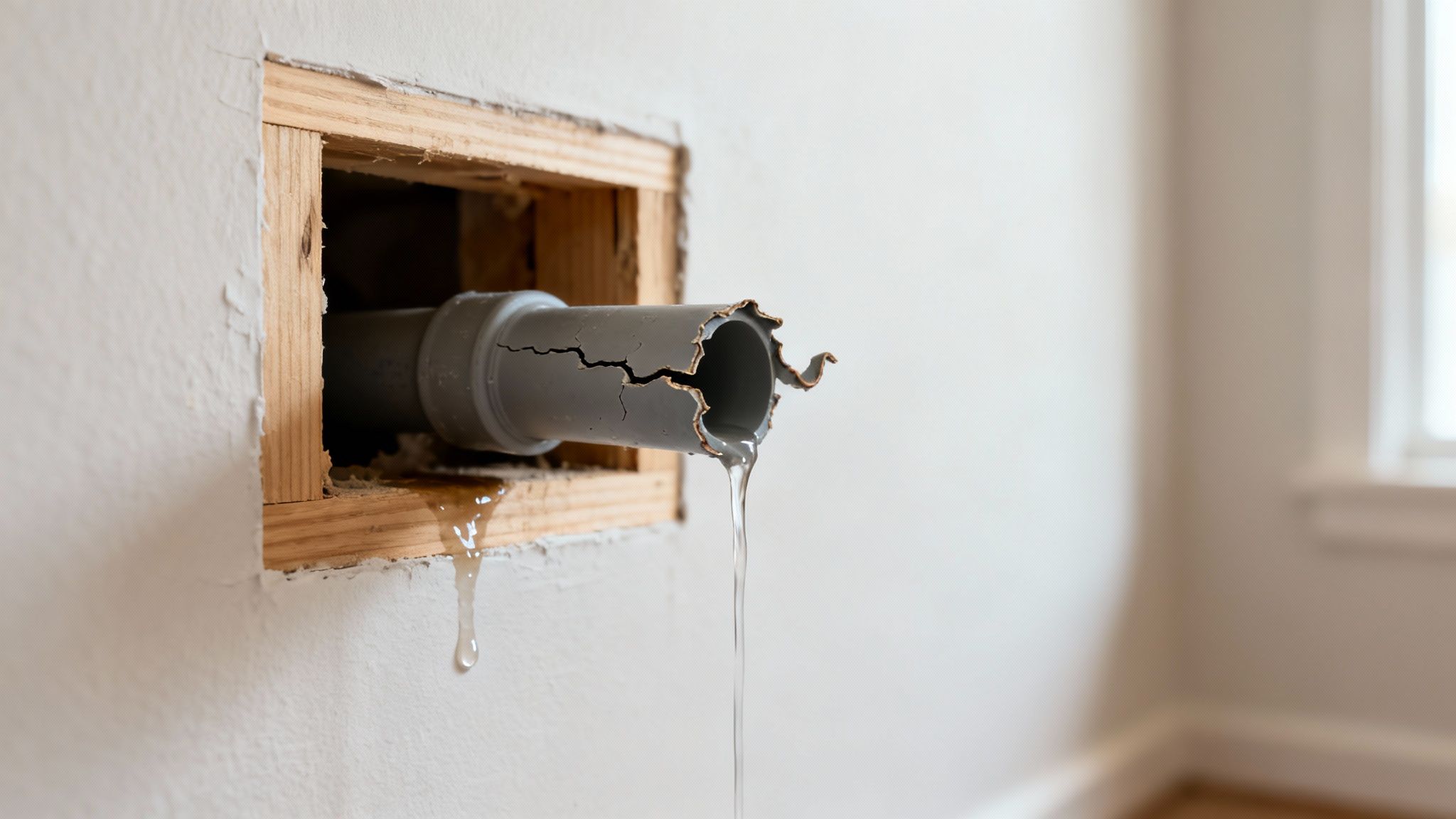
If your home was built or repiped between 1978 and 1995, you might be living with a ticking time bomb known as polybutylene (PB) plumbing. Marketed as a cheap and easy alternative to copper, these flexible gray pipes were installed in millions of homes across California, including many in Salinas and the Monterey Peninsula. Unfortunately, this "pipe of the future" turned out to be one of the most significant plumbing risks hiding in older homes in 2026 due to its notorious tendency to fail without warning.
Hard water in the Central Coast is notorious for corroding pipes from the inside out. This means even newer plumbing might not be safe if your home doesn’t have water conditioning. The high mineral content in our local water supply accelerates the breakdown of pipe materials, especially older ones like galvanized steel and even PB plastic. If you’re noticing flakes, rusty water, or weak flow, don’t ignore it—it’s often your pipes crying for help.
Why This is a Ticking Clock for Your Home
Unlike corroding metal pipes that might give warning signs, PB pipes often appear perfectly fine from the outside right up until the moment they burst. This silent threat can lead to devastating consequences for homeowners from Watsonville to Carmel Valley.
- Sudden and Catastrophic Flooding: A PB pipe can split along its seam or a fitting can blow off entirely, releasing gallons of water per minute behind walls or in crawlspaces. The damage can be extensive and immediate.
- Insurance Coverage Issues: Due to the high failure rate, many insurance companies will not write new policies for homes with PB plumbing. Some may even refuse to renew existing coverage or deny claims for water damage caused by PB pipe failure.
- Decreased Property Value: The presence of PB plumbing is a major red flag for potential homebuyers and can significantly lower your property's value or make it difficult to sell.
Key Insight: The failure of PB plumbing is not a matter of if, but when. The material is inherently flawed, and attempting to repair one leak is a costly gamble, as another section is likely to fail soon after.
How to Spot and Address Polybutylene Pipe Issues
Identifying and replacing these pipes is crucial to protecting your investment. You can often find PB pipes near your water heater or under sinks. They are typically gray and are usually stamped with the code "PB2110."
Short-Term Fixes:
There are no reliable short-term fixes for a failing PB plumbing system. Patching a leak is a temporary measure at best and provides a false sense of security. The chemical degradation affects the entire system, not just one spot.
Long-Term Solutions:
The only responsible and permanent solution is a complete home repipe. This involves removing all the old polybutylene pipes and replacing them with durable, modern materials like PEX or copper. The team at Alvarez Plumbing specializes in these projects, carefully planning them to minimize disruption to your daily life.
4. Repiping Isn’t an All-or-Nothing Nightmare
Your water heater is one of the hardest-working appliances in your home, but it has a finite lifespan, typically 8 to 12 years. For homes in Salinas and Monterey County, especially those with tanks over a decade old, internal corrosion and sediment buildup represent a significant and often overlooked plumbing risk. The hard water common across our region, from Prunedale to Carmel Valley, is rich in minerals like calcium and magnesium. These minerals settle at the bottom of the tank, forming a thick layer of sediment.
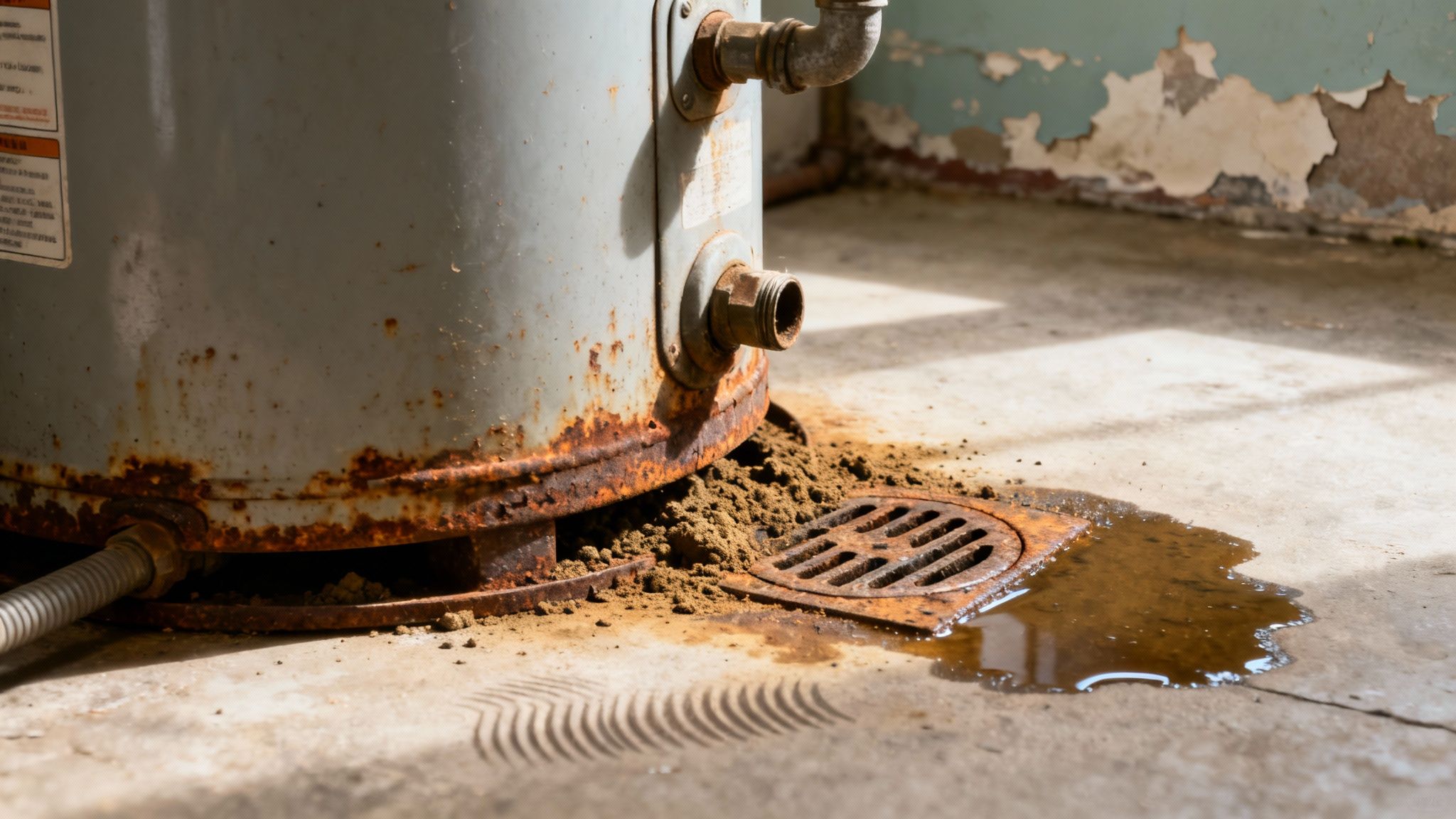
This sediment layer acts as an insulator, forcing the heating element to work harder and longer to heat the water, driving up your energy bills. Worse yet, it accelerates the corrosion of the tank's interior lining. This combination of mineral buildup and rust quietly degrades the tank until it fails. Many homeowners also fear that repiping means tearing out walls in every room. But Alvarez Plumbing offers sectional replacements and uses PEX piping, which minimizes wall damage and speeds up the job. You don’t have to choose between ignoring the problem and a full renovation.
Why This is a Ticking Clock for Your Home
An aging, unmaintained water heater isn't just inefficient; it's a potential disaster waiting to happen. The internal pressure and constant heating cycles put stress on the corroding tank walls, leading to catastrophic failure that can release 40 to 50 gallons of water in minutes.
- Skyrocketing Energy Bills: A sediment-filled tank can be up to 25% less efficient, meaning you’re paying significantly more to heat your water. This is a clear indicator that the unit is struggling.
- Insufficient or Lukewarm Hot Water: If your showers are getting shorter or the water never seems to get hot enough, it’s a classic sign that sediment is preventing the burner or heating element from doing its job effectively.
- Sudden and Disastrous Leaks: The most severe risk is a complete tank rupture. This can cause thousands of dollars in water damage to floors, walls, and personal belongings, especially if the unit is located in an attic or on an upper floor of your Seaside home.
Key Insight: Strange noises like rumbling, popping, or crackling coming from your water heater are not normal. This is the sound of water being trapped and boiling under the thick layer of sediment, a clear warning that the tank is under extreme stress and at a high risk of failure.
How to Spot and Address Water Heater Issues
Proactive maintenance and timely replacement are your best defense against a water heater emergency. Don't wait for a cold shower or a flooded garage in Pacific Grove to take action.
Short-Term Fixes:
For tanks that are still relatively new, annual flushing can help remove sediment buildup and improve efficiency. This involves draining the tank to clear out mineral deposits. Additionally, inspecting and replacing the anode rod is crucial. This "sacrificial" component is designed to corrode instead of the tank lining. Find out more about why water heater anode rod replacement is so important to extend the life of your unit.
Long-Term Solutions:
The only permanent solution for an old, failing tank is replacement. If your unit is approaching or has passed the 10-year mark, it’s time to plan for a new one. This is also an excellent opportunity to upgrade to a high-efficiency conventional model or a tankless water heater, which provides endless hot water on demand and saves significant energy.
5. Free Inspections Mean No Guesswork
While hidden leaks and corroded pipes pose a direct threat to your home's structure, another, more invisible plumbing risk in older homes in 2026 threatens the health of your family and community: backflow. Older homes throughout Monterey County often lack adequate backflow prevention, or have outdated devices that fail to meet modern California plumbing codes. This creates a serious cross-connection hazard where contaminated water can be siphoned back into the main public water supply.
When leaks keep popping up or water quality drops, you deserve clear answers. Alvarez Plumbing offers local, experience-based inspections—no scare tactics, just honest assessments. We check for all these hidden risks. Whether it’s a quick repair or a whole-home upgrade, we help you understand the options (and even check if you're eligible for public repipe programs). Municipal water districts from Salinas to Watsonville now enforce strict regulations requiring certified devices and annual testing to protect the public water supply.
Why This is a Ticking Clock for Your Home
Failing to address outdated backflow prevention is not just a code violation; it's a significant liability and health risk. The consequences can range from fines to endangering the neighborhood water supply, making this a critical issue for owners of older properties.
- Serious Health Risks: Backflow incidents can introduce harmful chemicals, bacteria, and other pollutants into the drinking water, posing a severe health hazard to your household and your neighbors.
- Municipal Fines and Water Shutoffs: Local water authorities, like the Monterey County Water Resources Agency, are cracking down on non-compliance. Homeowners can face hefty fines or even have their water service shut off until a certified backflow prevention device is installed and tested.
- Legal and Financial Liability: If your property is identified as the source of a contamination event, you could be held legally and financially responsible for the cleanup and any resulting health issues in the community.
Key Insight: A missing or non-functional backflow preventer is a silent but serious hazard. It’s not a matter of if a pressure change will happen, but when, and your property must be equipped to protect the public water supply.
How to Spot and Address Backflow Issues
Protecting your home and community starts with a professional assessment. Because backflow prevention is a regulated and technical field, it's crucial to rely on certified experts rather than attempting a DIY solution.
Short-Term Fixes:
There are no safe "short-term fixes" for backflow risks. If a device is found to be failing during a test, it must be repaired or replaced immediately by a certified technician to restore compliance and ensure safety.
Long-Term Solutions:
The definitive solution is to have a certified plumber from Alvarez Plumbing assess all potential cross-connection points on your property, particularly irrigation systems and commercial equipment. We can install a modern, certified backflow prevention device that meets all local and state codes. For existing devices, we provide annual testing and certification to keep you in compliance.
6. Deteriorating Vent Stack and Drainage System Issues
Often overlooked, the plumbing vent stack is the unsung hero of your drainage system. This pipe, typically running through your roof, allows sewer gases to escape and regulates air pressure so your drains flow freely. In older homes across Monterey County, from Prunedale to Watsonville, these vital components are often made of cast iron and are now reaching a critical point of failure, making them one of the most insidious plumbing risks hiding in older homes in 2026.
The problem is twofold. From the inside, decades of moist, corrosive sewer gases cause the cast iron to rust and flake away, creating blockages. From the outside, the flashing around the vent stack on your roof degrades under the coastal sun and seasonal rains. This allows water to seep in, accelerating corrosion and causing water damage inside your walls and attic. At the same time, the home's main drainage lines can lose their proper slope due to foundation settling, creating sediment traps and chronic backups.
Why This is a Ticking Clock for Your Home
A failing vent and drainage system doesn't just cause a bad smell; it cripples your entire plumbing network and can compromise your home's structural integrity. The initial symptoms might seem like minor annoyances, but they are warnings of a much larger, systemic failure.
- Persistent Sewer Odors: If you smell sewer gas inside your home, it's a clear sign your vent stack is cracked, blocked, or improperly sealed, allowing dangerous gases to leak indoors.
- Slow Drains and Gurgling Noises: When multiple fixtures drain slowly or you hear gurgling sounds from toilets and sinks, it often means the system can't get enough air through the vent. This pressure imbalance prevents water from flowing out efficiently.
- Recurring Clogs and Backups: A deteriorating drain line that has lost its slope or is filled with debris will constantly clog. This can lead to messy and unsanitary sewer backups in your tubs and showers, posing a health risk.
Key Insight: Slow drainage across multiple fixtures is rarely a simple clog. It's often a symptom of a systemic venting or main drain line problem that will only worsen without a professional diagnosis and repair.
How to Spot and Address Vent and Drainage Issues
Don't wait for a sewer backup to flood your Pacific Grove home. Proactive inspection and maintenance are key to managing this risk.
Short-Term Fixes:
For blockages within the vent stack or drain lines, Alvarez Plumbing can utilize advanced hydro jetting technology to scour the pipes clean of rust scale, debris, and sediment. We also recommend inspecting the roof flashing around your vent stack annually, especially after heavy winter storms, to catch leaks early.
Long-Term Solutions:
The most reliable solution for a failing cast iron vent stack is a full replacement, often done concurrently with a roof replacement to save on labor and costs. For compromised underground drain lines, modern trenchless repair methods can often fix the issue without major excavation. Ensuring your system has the correct slope is crucial. Understanding the importance of proper drainage pipe pitch is fundamental to a long-lasting and effective plumbing system.
If you notice any of these warning signs, a professional video camera inspection is the only way to see the true condition of your vents and drains. Our team can pinpoint the exact location of cracks, blockages, or collapses and provide a clear, honest plan to protect your home.
6-Point Comparison: Plumbing Risks in Older Homes (2026)
| Issue | 🔄 Implementation Complexity | ⚡ Resources & Cost | ⭐ Expected Outcome | 📊 Key Advantages / Impact | 💡 Ideal Use Cases / Tips |
|---|---|---|---|---|---|
| Galvanized Steel Pipe Corrosion and Deterioration | High — full repipe often needed, invasive access | Cost $3k–$10k+, labor‑intensive, disposal of old pipe | High risk of reduced pressure, discoloration, pinhole leaks; elevated metal contamination | Restores water quality/flow; prevents emergency failures and property damage | Video camera inspection; proactive repipe; replace with copper or PEX |
| Cast Iron Sewer Lines with Root Intrusion | High — excavation or trenchless rehab; joint repairs | Cost $5k–$25k+, hydro jetting temporary; landscaping impact | Frequent blockages, slow drainage, sewage backups; health hazard | Eliminates backups, improves drainage reliability; prolongs pipe life with barriers | CCTV every 3–5 yrs; root barriers; consider CIPP trenchless replacement |
| Polybutylene (PB) Plastic Pipe Brittleness and Failure | Moderate–High — full repipe required but straightforward | Cost $4k–$15k; insurance may require replacement | Sudden catastrophic failures with extensive water damage; unpredictable | Full replacement removes insurance/repair liability and prevents bursts | Identify PB, schedule full repipe before insurance issues; use PEX/copper |
| Water Heater Tank Corrosion and Sediment Buildup | Low–Moderate — maintenance or tank replacement | Cost $1.2k–$3k+; annual flushing extends life; moderate downtime | Reduced efficiency, lukewarm water, eventual tank rupture and leaks | Improves efficiency, lowers energy bills, prevents catastrophic leaks when replaced | Annual flushing, install drain pans/leak detectors, consider tankless upgrade |
| Outdated Backflow Prevention Devices and Cross-Connection Hazards | Low–Moderate — device install and testing, some commercial complexity | Cost $300–$1.5k install; $75–$200 annual testing; certification required | Risk of contamination to potable supply; regulatory fines and service interruptions | Protects community health, ensures code compliance, avoids fines | Install certified devices, annual testing, keep compliance records |
| Deteriorating Vent Stack and Drainage System Issues | Moderate — roof work and drainage reconfiguration may be needed | Cost $1.5k–$8k+ depending on roof/pipe scope; seasonal access | Slow drains, foul odors, gurgling, water intrusion and potential structural damage | Restores proper venting and drainage, prevents odors/backups | Camera inspection, replace vent during roof work, check/repair flashings |
Your Trusted Partner for Modernizing Your Home’s Plumbing
Navigating the complexities of an older home’s infrastructure can feel overwhelming, especially with the unique challenges we face here in Monterey County. From the corrosive effects of our hard water in Salinas to the wear and tear on cast iron sewer lines in historic Carmel-by-the-Sea, the 6 plumbing risks hiding in older homes in 2026 are not just abstract concerns. They are tangible issues that can quietly escalate, threatening your property’s value, your family’s health, and your peace of mind.
Throughout this guide, we’ve explored the specific vulnerabilities that require your attention, from aging galvanized pipes and brittle polybutylene plumbing to failing water heaters and outdated backflow prevention devices. The key takeaway is simple: proactive awareness is your most powerful tool. Ignoring strange noises, discolored water, or slow drains is a gamble that rarely pays off. These symptoms are your plumbing system’s way of signaling that a bigger problem is brewing beneath your floors or behind your walls.
From Diagnosis to Solution: A Modern Approach
The beauty of living in 2026 is that you have access to modern solutions that make addressing these issues less disruptive and more affordable than ever before. You don't have to choose between ignoring a potential catastrophe and committing to a full-scale, wall-demolishing renovation.
Here’s a quick recap of the most important, actionable steps you can take:
- Identify Your Pipe Materials: Knowing if you have galvanized steel, cast iron, or polybutylene pipes is the first step. This knowledge helps you understand your home’s specific risk profile.
- Heed the Warning Signs: Low water pressure, rust-colored water, frequent clogs, and unpleasant odors are not normal signs of aging. They are direct indicators of system decay.
- Prioritize Professional Inspection: A comprehensive video camera inspection can pinpoint the exact location of root intrusion in sewer lines or corrosion in drainage pipes without any guesswork.
- Embrace Targeted Repairs: Modern plumbing allows for sectional repiping with durable, flexible materials like PEX. This means we can often replace only the failing sections, saving you significant time and money.
Protecting Your Monterey Bay Investment
Your home is more than just a building; it’s an investment and a sanctuary. Protecting it from these hidden plumbing risks is one of the most effective ways to preserve its value and ensure it remains a safe, comfortable place for years to come. The goal isn’t to create fear, but to empower you with the knowledge needed to make informed decisions. By understanding the vulnerabilities specific to our region, from the seasonal strain on drainage systems during our winter rains to local code requirements in cities like Marina or Seaside, you can stay ahead of problems.
Since 1988, our family-owned business has helped thousands of homeowners across the Central Coast turn plumbing anxiety into confidence. We believe in providing honest assessments and practical solutions, not high-pressure sales tactics. Whether you own a charming bungalow in Pacific Grove or a family home in Prunedale, you deserve a clear picture of your plumbing’s health. Taking action today can prevent a catastrophic failure tomorrow, safeguarding your property and your budget from the significant costs and stress of an emergency.
If you're a homeowner in Salinas, Monterey, or the surrounding area and think your plumbing may be showing its age, we’d love to help you catch small problems before they become big ones. Book a free inspection with Alvarez Plumbing today.