It's a chilling thought, but your drinking water could be at risk without you even realizing it. The danger has a name: backflow. It’s a plumbing failure where contaminated water reverses direction and flows back into your clean water supply. This guide explains what every homeowner in Salinas and the Monterey Bay area needs to know about this invisible threat and, more importantly, how to keep your family's water safe.
Understanding Backflow and Its Risk to Your Drinking Water
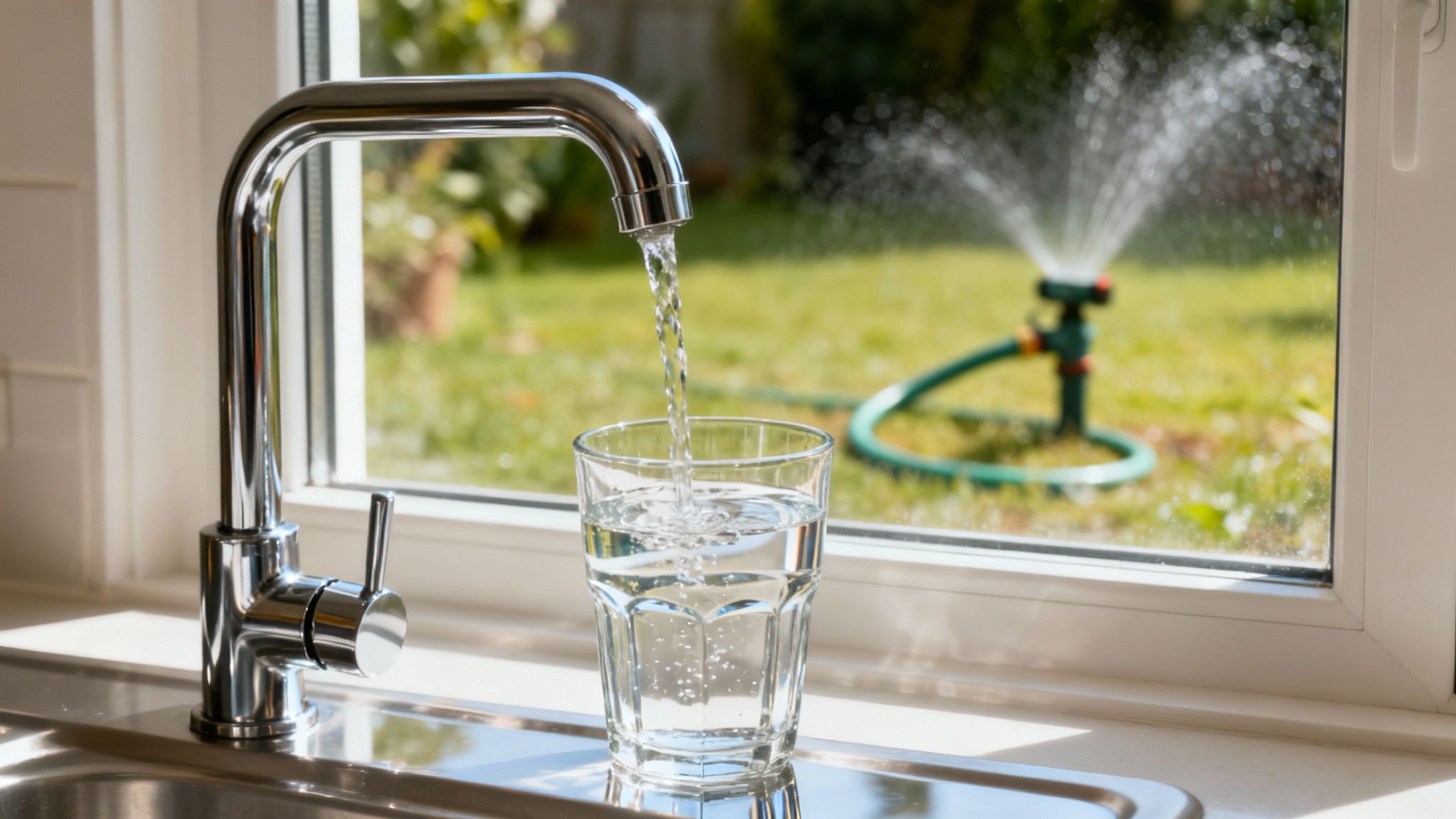
Think of your home’s plumbing as a one-way street. Fresh, pressurized water flows from the city main to your taps, and wastewater goes out. Backflow is what happens when that traffic suddenly reverses, pulling unsafe water from outside sources back into your clean water pipes.
This isn't just a minor plumbing quirk; it's a serious health hazard. It can introduce pesticides from your garden, bacteria, and other contaminants directly into the water you use for drinking, cooking, and bathing. Most homeowners don't think about backflow until there’s a contamination scare or a city notice, but understanding the risk now can keep your water safe.
What Causes a Dangerous Reversal?
Backflow is all about sudden changes in water pressure. For homeowners here in Salinas or Carmel Valley, this can happen more easily than you might think.
Here are a few common scenarios that put your home at risk:
- A Nearby Water Main Break: When a large pipe breaks down the street, the pressure in the city system can drop suddenly, creating a powerful vacuum.
- Fire Hydrant Use: When firefighters in a town like Marina or Seaside use a nearby hydrant, it pulls a massive volume of water, causing a pressure drop that can siphon water backward from surrounding homes.
- Heavy Summer Water Demand: During hot, dry spells in places like Watsonville, widespread irrigation can sometimes strain the system enough to cause pressure fluctuations.
These events can suck contaminants from your own property right into your plumbing. We're talking about fertilizer from your lawn sprinklers, soapy water from a bucket your garden hose is sitting in, or even bacteria from a puddle.
Backflow isn't just a theoretical problem; it's a documented risk to public health. Between 1970 and 2001, there were 459 reported backflow incidents in the U.S. linked to contaminated drinking water, resulting in thousands of illnesses.
Who Is Most at Risk in Monterey County?
While every home can be affected, some properties in Pacific Grove or Prunedale have a much higher risk. If your home has an in-ground sprinkler system, a swimming pool, or a private well, you have what’s known as a "cross-connection." This is any point where your clean, potable water supply could potentially mix with a contaminated source.
Knowing your home’s specific risks is the first step toward protecting your water. Backflow is just one of many potential issues homeowners face. For a broader look at various home water system challenges, exploring common plumbing problems and their solutions can offer valuable perspective. Here at Alvarez Plumbing, our family-owned business has been helping Monterey County residents with these very challenges since 1988.
Common Backflow Causes in Monterey County Homes
So, you know what backflow is. Now, let's talk about how it happens. For most folks here in Monterey County, this invisible threat comes down to two main things that mess with the normal flow of water into your home. It all comes down to a big shift in water pressure that turns your plumbing into a two-way street when it should only be one-way.
The Two Main Types of Backflow Risk
To make it simple, most backflow incidents fall into one of two categories. It’s either about the city's water pressure suddenly dropping or your home's system overpowering the city's pressure. Both can pull contaminated water where it doesn't belong.
This table breaks down the two main scenarios we see right here in our local communities.
| Type of Backflow | How It Happens | Common Local Example |
|---|---|---|
| Back-Siphonage | The city's water pressure drops suddenly, creating a vacuum that sucks water backward from your home. | A water main breaks in Monterey, or firefighters tap a hydrant in Seaside to battle a fire. |
| Backpressure | Your home’s plumbing system (like a well or irrigation pump) pushes water back into the city lines at a higher pressure. | A powerful irrigation system on a Prunedale property overpowers the municipal water pressure. |
Understanding which of these you might be more susceptible to is the first step in protecting your home’s water supply. Back-siphonage can happen to anyone, while backpressure is a bigger concern for homes with more complex plumbing setups.
When City Water Pressure Drops
The first, and more common, cause is called back-siphonage. The best way to picture it is like drinking from a straw. When you create suction, the liquid flows up toward you. The same thing can happen in your pipes when there's a sudden, sharp drop in pressure out in the city's main water line.
This isn't a made-up problem; it happens for a few reasons right here in our community:
- A water main break in Monterey: When a large city pipe ruptures, it causes a massive and immediate drop in pressure across the whole system.
- Firefighters tapping a hydrant in Seaside: Hydrants pull a huge amount of water very quickly, creating a localized but powerful vacuum effect on any homes connected nearby.
When that vacuum hits, it can literally suck water backward from your property. If you left a garden hose sitting in a puddle or connected to a fertilizer sprayer, that contaminated water can be pulled directly into your home's clean water lines.
Backflow isn't just a plumbing issue; it's an environmental one. As weather patterns change, the risk increases. Climate change can intensify backflow risks through extreme weather events like the heavy winter rains we see in the Salinas Valley, which can damage water infrastructure. You can learn more about how our environment impacts drinking water from Yale's detailed reporting.
When Your Home's Pressure Is Too High
The second cause is backpressure. This happens when a system on your own property—like a well pump or a high-powered irrigation system in a Prunedale home—forces water back into the city supply at a pressure that’s higher than the city's system.
This is a very real risk for properties with:
- Private wells or booster pumps
- Complex irrigation systems for landscaping
- Swimming pools or hot tubs in Pacific Grove
- Boiler or hydronic heating systems
In these cases, your own equipment can actually overpower the city’s water pressure. When it does, it can push potentially contaminated water from your pool or sprinkler lines back into the public water supply. This doesn't just put your family at risk—it threatens your neighbors, too. This is exactly why a professionally installed backflow preventer is an absolute must for these types of systems.
How Backflow Prevention Devices Protect Your Home
Now that you understand the dangers, here’s the good news: backflow is completely preventable. A backflow prevention device acts like a high-tech, one-way gate for your water. Its only job is to let water flow into your home but never let it reverse course.
These devices are the silent guardians of your plumbing system. We install them at key points to create a physical barrier, stopping any contaminated water dead in its tracks. It's your home's frontline defense against the invisible risks we’ve talked about.
The Right Device for the Right Job
Not all backflow preventers are the same. They’re designed for different levels of risk, so the right one for your home depends on your setup and what local codes require.
For example, many homes in Carmel-by-the-Sea with in-ground sprinkler systems are required by the city to have a very specific kind of backflow preventer. Here are a couple of the most common types you’ll see around:
- Pressure Vacuum Breaker (PVB): You’ll often spot these on irrigation systems. A PVB stops back-siphonage by letting air into the pipe, which instantly breaks the vacuum.
- Reduced Pressure Zone (RPZ) Assembly: This is the heavy-hitter. An RPZ is used in high-hazard situations because it offers the highest level of protection against both back-siphonage and backpressure.
Figuring out which device you need isn't a guessing game. It's based on your property’s unique risks—from swimming pools to sprinkler systems—and has to comply with local regulations in communities like Salinas and Watsonville.
This infographic breaks down the two main pressure-related causes of backflow: back-siphonage and backpressure. These are exactly what the devices are built to stop.
As you can see, it doesn't matter if the problem is a vacuum pulling water out or excess pressure pushing it back. A properly installed device is your home's essential defense.
Why Professional Installation Is Non-Negotiable
While the idea behind a backflow preventer is simple, the installation is a job strictly for certified professionals. This is about more than just attaching a part to a pipe. It demands precise placement, following local plumbing codes, and understanding water hydraulics to guarantee it works flawlessly when you need it most.
A bad installation makes the device useless. It gives you a false sense of security while leaving your drinking water completely vulnerable. On top of that, it can lead to fines from your local water authority.
A backflow prevention device is more than just plumbing hardware; it’s a critical health and safety system for your home. Its effectiveness depends entirely on correct installation and regular, certified testing.
As a family-owned business serving Monterey County since 1988, Alvarez Plumbing has the certified expertise to install the right device for your home and ensure it’s done correctly the first time. If you have questions about what your property needs, our team is here to help with a professional backflow prevention device inspection. We make sure your home is both safe and fully compliant with all local rules.
Navigating Local Rules and Annual Testing Requirements
Keeping your home's water supply safe isn't just a smart idea—it's often the law. Water authorities all across Monterey County, from Salinas to Monterey, have specific rules to stop backflow contamination. These regulations protect not only your family but the entire community's water supply.
If your property has certain features, like an irrigation system or a swimming pool, you’re almost certainly required to have a backflow prevention device installed. But here's the key part: these devices aren't "set it and forget it." Local laws mandate that they be tested every year by a certified professional to make sure they're working perfectly. This annual check-up isn't optional; it's a critical part of staying compliant.
Why Annual Testing Is a Must
Think of a backflow preventer as a security door for your water supply. It has mechanical seals, springs, and valves that are designed to slam shut against any reverse water flow. Over time, these parts can wear out, get stuck, or get clogged with debris.
An annual test is a quick inspection where a certified plumber uses special gauges to confirm that those internal parts are still creating a perfect seal. This isn't just about checking a box. It's about verifying that your first line of defense is still strong, so a malfunctioning device doesn't leave your drinking water vulnerable.
The concern over water safety is a massive global issue. The World Health Organization estimates that about 1.7 billion people rely on drinking water sources contaminated with fecal matter. This highlights the worldwide scale of risk from cross-connection problems like backflow and drives a growing market for protective devices, which you can learn more about in this market analysis from Straits Research.
Local Compliance in the Monterey Bay Area
So, who really needs to worry about this? While rules can vary slightly between cities, the general idea is simple: if your property has a potential cross-connection, you need a backflow preventer and annual testing.
Here are the most common reasons for this requirement that we see every day:
- In-ground irrigation systems in communities like Carmel-by-the-Sea or Pacific Grove.
- Swimming pools or hot tubs that are hooked up to an auto-fill line.
- Private wells used for either drinking water or irrigation in areas like Prunedale.
- Fire sprinkler systems installed for home safety.
When our certified technicians perform a test, we handle the entire process for you. We complete the inspection, fill out all the necessary paperwork, and submit it directly to your local water authority, whether that’s in Marina, Seaside, or Castroville. This process keeps your home compliant and gives you documented proof that your water is protected.
As a family-owned business serving this community since 1988, Alvarez Plumbing is certified to perform these crucial tests. We help our neighbors meet their legal responsibilities while ensuring their water stays safe.
Warning Signs of a Backflow Problem in Your Water
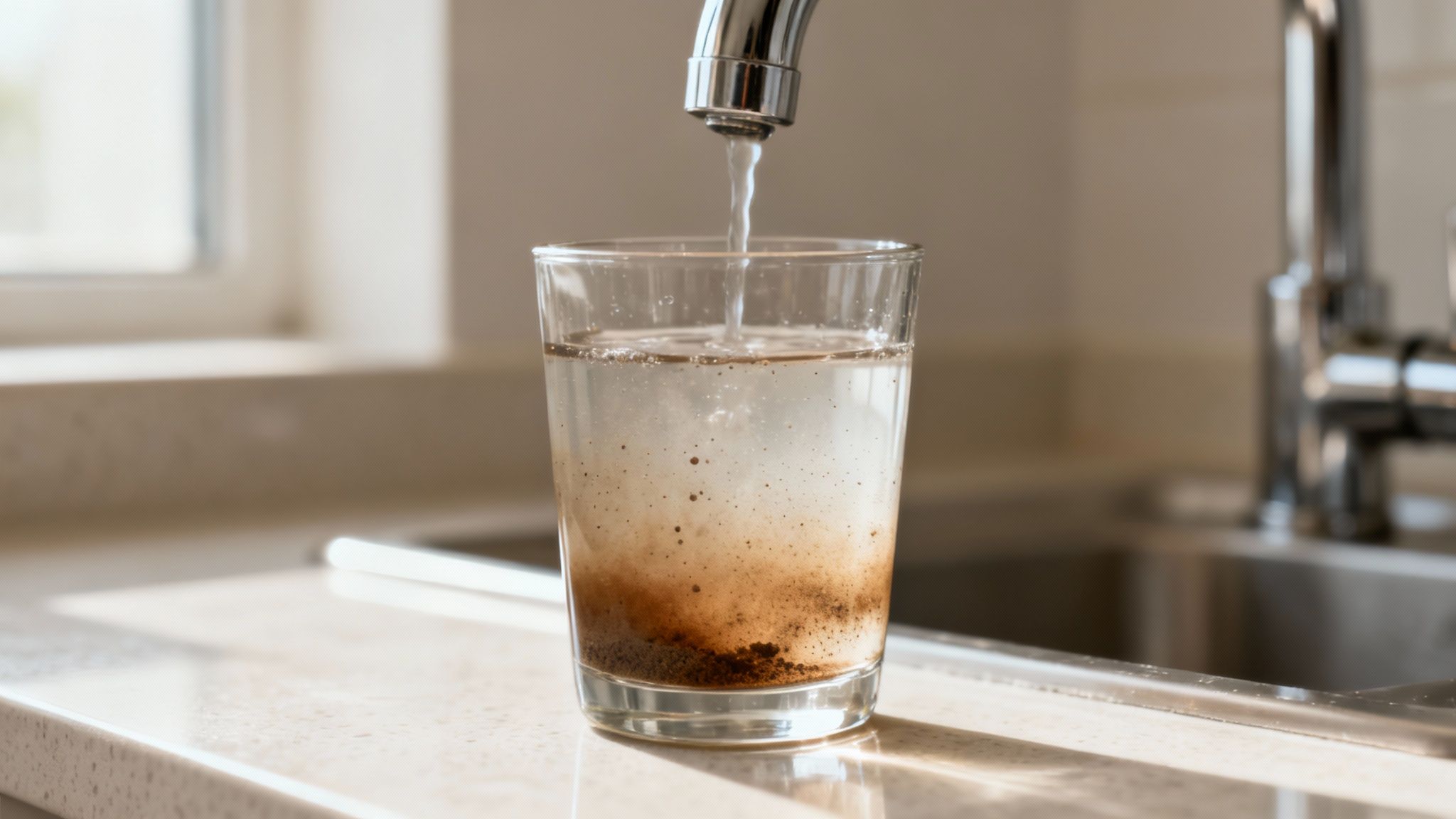
Backflow events can happen quietly, but they often leave clues that something is seriously wrong with your water. Learning to spot these warning signs is the best way to protect your family’s health. If a backflow event has contaminated your pipes, the change in your water quality is usually sudden and obvious.
The most visible red flag is a sudden shift in your water's appearance. One minute it's crystal clear, the next it looks dirty, cloudy, or discolored.
Visual and Sensory Clues to Watch For
You don’t need fancy equipment to detect potential backflow contamination. Your own senses are your first and best line of defense. Pay close attention if you notice any of these changes coming from the taps in your Salinas or Castroville home:
- Discolored Water: If your water suddenly turns brown, yellow, or even pink, it’s a major sign that outside contaminants have gotten into your pipes.
- Strange Odors: A strong smell of sulfur (like rotten eggs), chemicals, or sewage is a clear signal that your water supply has been compromised.
- Visible Particles or Sediment: Noticing dirt, rust flakes, or other strange particles floating in your glass? Stop using the water immediately.
- Air Bubbles or Fizzing: While a little sputtering can be normal, constant air bubbles can point to a break in the plumbing system.
- Unusual Taste: If your water tastes metallic, salty, or just plain off, trust your gut. Something is wrong.
A backflow incident is a plumbing emergency. The moment you suspect contamination, stop using the water for drinking, cooking, or even bathing. Your priority is to prevent anyone in your household from consuming potentially hazardous water.
What to Do in a Backflow Emergency
If you spot any of these warning signs, you need to act fast. Don't just hope the problem will go away.
First, stop using your water. Switch to bottled water for all drinking and cooking until the issue is resolved. Next, call a certified plumber like Alvarez Plumbing to diagnose the source of the problem. A professional can assess the situation and advise if you need to report it to your local water authority, like the Monterey Peninsula Water Management District.
Finally, it's essential to know how to shut your water off at the source. Our guide on how to locate your main water valve before it's too late provides the crucial steps to prevent further contamination from entering your home.
Your Partner in Monterey Bay Water Safety Since 1988
For over 35 years, our family at Alvarez Plumbing has been keeping our neighbors’ homes safe, from the fields of Castroville to the hills of Carmel Valley. We know backflow is a serious risk, but it's a manageable one—and you don't have to navigate the rules alone.
Protecting your family's drinking water is our top priority. We provide the same expert service and friendly advice our community has trusted since we first opened our doors in 1988.
Certified Expertise You Can Count On
We get it—questions about backflow can be confusing. That's why our licensed plumbers are certified in both installing and testing all types of backflow prevention systems, making sure your home is protected and fully compliant. Whether you have a sprinkler system, a pool, or just want peace of mind, we have the experience to get the job done right.
Protecting your home's water supply is one of the most important steps you can take for your family's health. It starts with awareness and ends with professional, reliable service from a team you know and trust.
As your trusted partner, we also encourage homeowners to think about solutions for secure drinking water, like understanding the best practices for using potable water storage tanks.
For professional help right here in Monterey County, learn more about our certified backflow preventer installation services and give our team a call today.
Common Questions We Hear About Backflow
Over our years serving Salinas and the Monterey Peninsula, we've heard just about every question there is when it comes to backflow. Here are some straightforward answers to the questions our plumbers hear the most.
Does My Garden Hose Really Need a Backflow Preventer?
Yes, absolutely. A simple garden hose is one of the biggest backflow risks for any home. Think about it: if you leave the end of the hose in a bucket of soapy car-wash water, a puddle, or a fertilizer sprayer, a sudden drop in city water pressure can siphon all those chemicals right back into your home's clean water pipes.
A small, inexpensive device called a hose bib vacuum breaker (HBVB) screws right onto your outdoor spigot. A licensed plumber can help you choose and install the right one to stop this common problem.
How Often Does My Backflow Device Need to Be Tested?
For most homes in our area, including those in Salinas and across the Monterey Peninsula, local water authorities require backflow prevention assemblies to be tested at least once a year. This isn't a suggestion—it's a mandatory requirement to stay in compliance and keep the public water supply safe.
This annual test must be done by a state-certified tester. They'll make sure the device is working perfectly and then submit the official results directly to your water department, keeping your home compliant.
What Actually Happens During a Backflow Test?
A backflow test is a quick process that doesn't disrupt your day. Our certified plumber will hook up a special test kit, which has a set of calibrated gauges, to your backflow prevention device.
They will briefly shut off the water leading to the device to check that its internal seals, springs, and valves are creating the tight barrier needed to stop any reverse flow. The whole thing is usually done in less than an hour, and our Alvarez Plumbing technicians handle all the official paperwork on your behalf.
Keeping your water safe shouldn't be complicated. For certified backflow testing, new installations, or just expert advice from a team that’s been serving Monterey County since 1988, you can trust us. Contact Alvarez Plumbing today for total peace of mind.