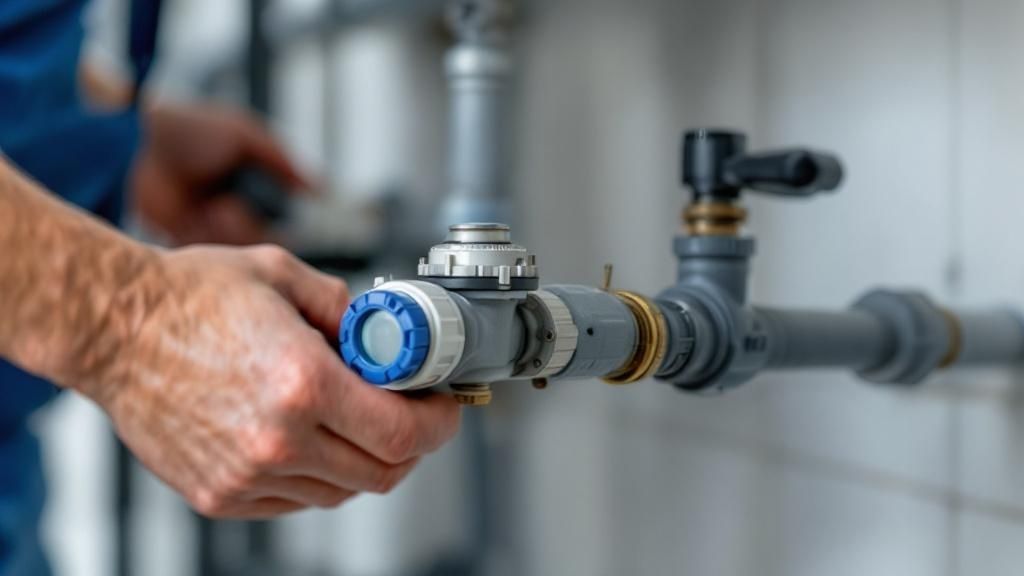
A backflow preventer is a crucial piece of plumbing that serves one simple, vital purpose: it keeps your home’s clean water supply from getting contaminated. These devices are your last line of defense, stopping water from flowing backward and pulling nasty stuff from irrigation systems, garden hoses, or other sources back into your drinking water. For anyone living or running a business here in Monterey County, from Salinas to Carmel-by-the-Sea, it’s a non-negotiable safeguard for public health.
Why Backflow Prevention Is a Must in Monterey County
Here in the Monterey Bay area, we can't take our water quality for granted. Backflow isn't some far-off technical issue; it's a real-world risk that can pop up from completely ordinary situations. We see potential contamination threats everywhere, from the sprawling agricultural properties in the Salinas Valley to the historic, complex plumbing in Pacific Grove homes.
Think about what happens when there's a sudden drop in city water pressure. This could be from a water main break down the street in Seaside or firefighters tapping into a hydrant during our dry fire season. This pressure drop creates a vacuum, a back-siphonage event that can pull water from your property back into the public supply. Without a backflow preventer, that reversed flow can carry all sorts of harmful contaminants with it.
Common Local Backflow Risks
It helps to know where these threats come from to really understand why a professional installation is so important. Here are a few of the most common scenarios we run into across our community:
- Residential Irrigation Systems: Sprinklers are a big one, especially in neighborhoods from Prunedale to Carmel Valley. They often sit in soil that's been treated with fertilizers and pesticides, and backflow can suck those chemicals right into your home's pipes.
- Commercial Properties: Businesses are another major source of risk. Think about restaurants on Cannery Row in Monterey or car washes in Watsonville—they use heavy-duty chemicals and have intricate plumbing systems that create significant backflow hazards.
- Garden Hoses: This is the one that surprises most people. Just leaving a hose submerged in a bucket of soapy water, a kiddy pool, or even a puddle can create a direct line for contaminants to enter your drinking water if a back-siphonage event occurs.
To give you a clearer picture, here are some of the most common backflow risks we encounter in properties across Monterey County.
Common Backflow Risks in Monterey County Properties
| Risk Area | Potential Contaminant Source | Affected Locations |
|---|---|---|
| Lawn Sprinklers | Fertilizers, pesticides, animal waste | Residential homes, parks, golf courses |
| Hose Bibs (Spigots) | Garden hoses left in pools, buckets, or puddles | Virtually any property with an outdoor faucet |
| Commercial Kitchens | Dishwashers, soda fountains, cleaning chemicals | Restaurants, cafes, hotels in Salinas, Monterey, etc. |
| Medical/Dental Offices | Specialized equipment with water connections | Clinics, dental practices, veterinary hospitals |
| Boiler Systems | Anti-corrosion chemicals and treated water | Commercial buildings, apartment complexes |
Seeing these scenarios laid out makes it obvious why having the right protection in place is so critical for keeping our shared water supply safe.
As a family-owned business serving this community since 1988, we've seen firsthand how a properly installed backflow preventer acts as the last line of defense for a family's health and safety.
This isn't just a local concern, either. The focus on water safety is growing worldwide. In fact, the global market for backflow preventers has been growing at a rate of 5.2% annually, recently hitting a value of nearly $407.2 million.
Protecting your property starts with being aware and proactive. However, for something as critical as your water supply, we strongly recommend professional oversight rather than a DIY approach. A licensed plumber can spot issues you might miss.
For any business providing essential services like ours, connecting with the community is key. Today, that means having a strong digital presence, which all starts with a professional website tailored for plumbing businesses.
Navigating Local Water Safety Codes and Regulations
When you're installing a backflow preventer, understanding the local rules is just as critical as the plumbing work itself. Here in Monterey County, every community—from Salinas to Carmel-by-the-Sea—has its own specific codes designed to protect our water from contamination. This isn't just a suggestion; it's a legal requirement that safeguards public health.
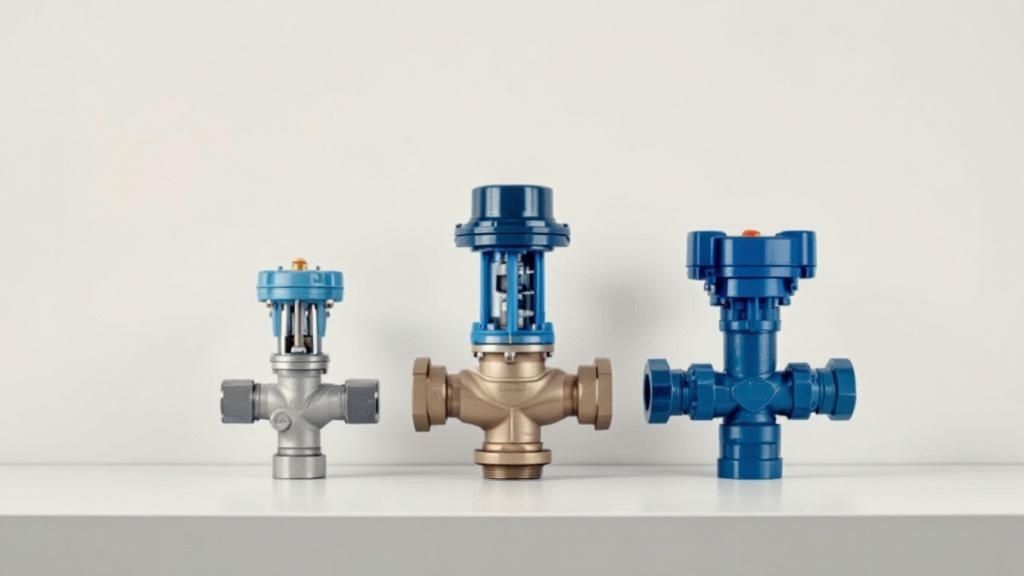
These rules exist for a very good reason. The entire North American backflow preventer market is built on a foundation of strong regulations that mandate these devices in both homes and businesses. This is all driven by government efforts to slash public health risks from cross-connections. In our area, pressure vacuum breakers are a common sight, making up about 34% of all installations. You can explore the full analysis from Future Market Insights for a closer look at these trends.
Ultimately, this focus on safety means that property owners are responsible for compliance. The good news? You don't have to become a code expert overnight—that's what we're here for.
Containment vs. Isolation Protection
A core concept in our local codes, especially those enforced by the Monterey Peninsula Water Management District and other local water authorities, is the distinction between "containment" and "isolation."
-
Containment: This strategy is all about protecting the big picture—the entire public water system. A containment device gets installed right where your property's water line connects to the city's main, whether you're in Marina or Seaside. It acts as a final barrier, stopping any potential backflow from your property from ever reaching your neighbors.
-
Isolation: This approach is more targeted, focusing on protecting the water within your own property. An isolation device is placed closer to a specific potential hazard, like an irrigation system in Carmel Valley or a soda fountain in a downtown Monterey restaurant. It stops any contamination from spreading from one part of your plumbing to another.
As a family business that's been serving Monterey County since 1988, we've built relationships with local inspectors and water authorities over decades. We know precisely what they look for, which means your project gets done correctly the first time, without any costly headaches or delays.
Handling Permits and Inspections
A professional backflow preventer installation is about more than just pipes and wrenches. It involves correctly navigating the maze of permits and inspections, which can be a real pain for property owners.
We take care of that entire process for you. That includes securing all the necessary permits from the right municipal authority, whether you're in Watsonville or Prunedale. Once the work is done, we'll schedule and manage the required inspection to get the official green light.
This ensures your property is fully compliant, protecting you from potential fines and—more importantly—guaranteeing your water is safe. To get a better handle on the specific rules for your property, you can check out our detailed guide on https://alvarezplumbingsalinas.com/backflow-prevention-requirements/. This hands-off approach gives you complete peace of mind, knowing every detail is being handled by certified pros who know the local landscape inside and out.
Choosing the Right Backflow Preventer for Your Property
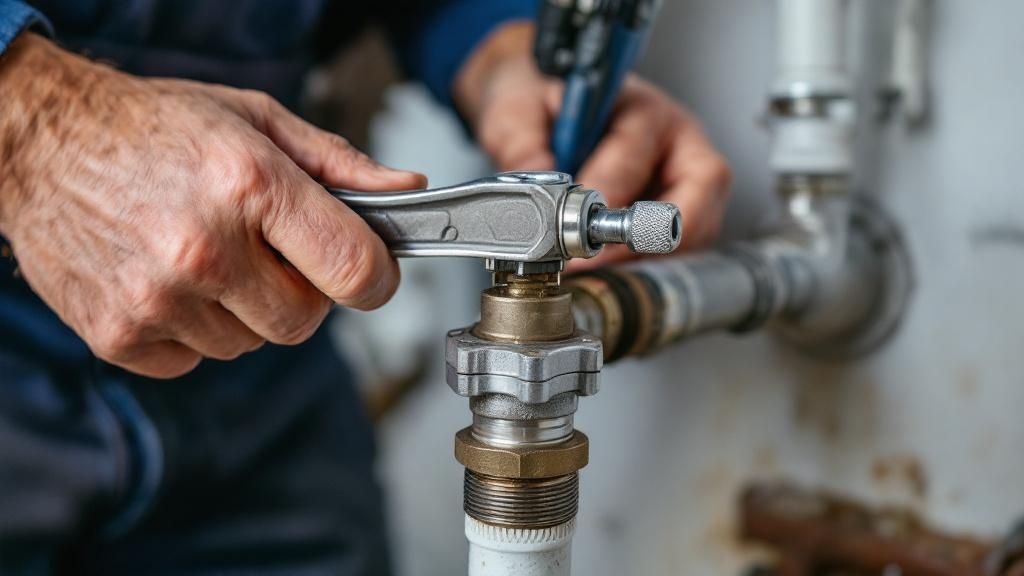
When it comes to backflow preventer installation, there’s simply no "one-size-fits-all" answer. The right device for a quiet residential street in Prunedale is going to be worlds apart from what's needed for a bustling commercial kitchen in downtown Salinas. Picking the correct assembly is a critical decision, and it all boils down to your property’s specific risks and unique plumbing setup.
Our licensed plumbers don't just grab a device off the shelf. We take the time to conduct a careful assessment, matching the hardware directly to the hazard. This is how we guarantee your property is both safe and fully compliant with local codes, whether you're in Castroville or Carmel-by-the-Sea.
Matching the Device to the Hazard Level
The single most important factor in choosing a backflow preventer is the "degree of hazard"—which is just a technical way of asking how dangerous the potential contaminants are. Water systems are generally split into two camps: low-hazard and high-hazard. Each requires a different type of device.
-
Low-Hazard Situations: This covers substances that wouldn't necessarily harm you but would definitely affect the water's taste, color, or odor. A classic example is a residential irrigation system. For these scenarios, a simpler device like a Pressure Vacuum Breaker (PVB) is usually the perfect fit. They are both effective and cost-efficient for preventing back-siphonage from lawn sprinklers in places like Carmel Valley.
-
High-Hazard Situations: This is where things get serious. High-hazard cross-connections could introduce toxic chemicals, human waste, or other dangerous substances into the public water supply. Commercial properties—think restaurants, medical clinics, or car washes in Monterey—fall squarely into this category. These situations demand a much more robust device, like a Reduced Pressure Zone (RPZ) assembly.
An RPZ is the undisputed gold standard for high-hazard protection. It has a built-in relief valve that physically discharges water if it detects a backflow condition. This creates a visible indicator that it's actively working to protect the water supply, a non-negotiable feature for most commercial applications in places like Salinas and Watsonville.
Our Diagnostic Process for Monterey County Properties
We’ve been doing this since 1988, and in that time, we've fine-tuned a diagnostic process to make sure every single backflow preventer installation is the right one for the job. We don’t guess; we analyze.
Our process digs into several key factors:
- Property Use: Is it a single-family home, a multi-unit apartment building, or a commercial facility? The needs are vastly different.
- Specific Cross-Connections: We hunt down all potential risk points, from irrigation lines and boilers to fire suppression systems and specialized commercial equipment.
- Water Pressure Dynamics: The existing water pressure on your property can directly influence which type of device will function correctly without messing with your normal water flow.
- Local Code Requirements: We stay on top of the specific ordinances in every community we serve, from Watsonville to Pacific Grove. This ensures the device we select not only meets but often exceeds all local regulations.
By carefully evaluating these elements, we can confidently recommend and install the right backflow preventer for your specific situation. If you want to learn more about our comprehensive approach, feel free to explore our dedicated backflow services. This detailed process is your guarantee for a solution that provides maximum protection and complete peace of mind.
The Professional Backflow Preventer Installation Process
So, what actually happens when one of our certified plumbers shows up at your property in Salinas or Monterey for a backflow preventer installation? It’s a precise, systematic process we’ve honed over 35+ years in the business. This isn’t a DIY guide—it’s a look behind the curtain at the level of craftsmanship and strict code adherence our family-owned business brings to every single job.
The whole thing kicks off with a careful site assessment. We don't just eyeball a convenient spot on the pipe. Instead, we analyze your entire plumbing system to find the ideal placement. This means identifying the primary water service line and pinpointing a location that’s not only effective for stopping backflow but also easy to get to for future testing and maintenance. That's a critical detail that amateurs almost always overlook.
A Brief Look at the Steps (Best Left to Pros)
Once we’ve mapped everything out and secured any needed permits from your local water authority, the real work begins. A pro installation generally involves:
- A controlled shutdown of your main water supply.
- Draining the section of pipe where the device will be installed.
- Making precise cuts into the existing water line.
- Expertly fitting the new backflow preventer and sealing all connections.
- Slowly re-pressurizing the system and checking for leaks or pressure drops.
This summary highlights the key steps, but the expertise is in the execution. For the safety of your water and to ensure compliance, this job should only be handled by a licensed and certified plumber.
As a family-owned business serving Monterey County since 1988, we believe in doing things the right way, not the easy way. Our installation process is designed for long-term reliability and complete compliance, ensuring your property is protected for years to come.
Getting it installed correctly is only half the battle. Ongoing care is what ensures your device keeps protecting your water supply day in and day out. This visual breaks down the typical lifecycle of a backflow preventer.
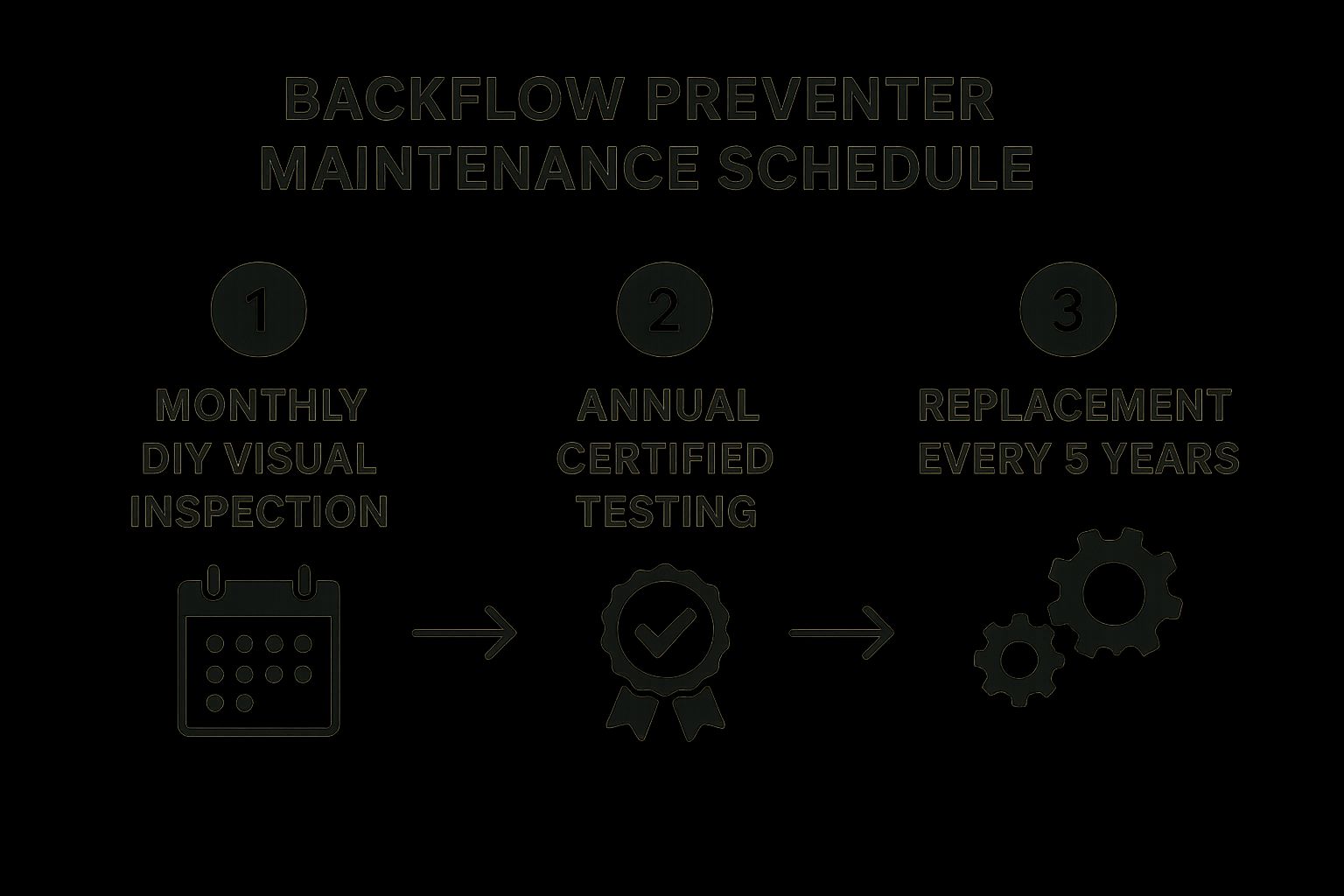
As you can see, your job as a property owner is pretty simple: just a visual check each month. The critical annual testing and eventual replacement, usually every five or so years, is left to certified professionals like us.
Why Professional Installation is Non-Negotiable
It might be tempting to try and save a few bucks with a DIY installation, but honestly, it's a recipe for disaster. The risks go way beyond a simple leaky pipe; we're talking about serious health hazards and legal trouble from non-compliance.
This is a job where cutting corners simply isn't an option. Here's a clear breakdown of why hiring a pro is the only safe and legal path forward.
DIY Risks vs Professional Installation Guarantees
| Aspect | DIY Attempt | Alvarez Plumbing Professional Service |
|---|---|---|
| Code Compliance | High risk of violating local Monterey County codes, leading to fines. | Guaranteed compliance with all local and state regulations. |
| Device Selection | Guesswork leads to choosing the wrong type of device for the hazard level. | Expert assessment ensures the correct device (RPZ, PVB, etc.) is chosen. |
| Installation Quality | Improper seals, incorrect placement, and potential for major leaks. | Leak-free, precise installation by certified and insured plumbers. |
| Testing & Certification | No ability to perform the legally required post-installation test. | Full testing and certification with reports filed to your water authority. |
| Long-Term Reliability | Device may fail prematurely or not work at all during a backflow event. | Peace of mind knowing the job was done right by experienced professionals. |
The stakes are just too high to leave it to chance. A professional installation isn't just a service—it's an investment in the safety and integrity of your water supply.
Post-Installation Testing and Annual Compliance
Getting your new backflow preventer installed is a big win, but the work isn’t over just because our truck pulls away. Now comes the final, and most critical, phase: rigorous testing and official certification. This isn't just about following best practices; it's a legal requirement to keep your property compliant and ensure your water is genuinely safe.
Right after the installation, our state-certified technicians get to it. Using specialized differential pressure gauges, we put the new device through a tough series of tests. We simulate both back-siphonage and backpressure situations to make absolutely sure every check valve and relief port is working exactly as it should. This is a strict pass/fail test, and we don't pack up until it passes with flying colors.
The Certification and Reporting Process
Once the device proves it's up to the task, we handle all the official paperwork. This is a huge part of the process that saves property owners from the headache of dealing with compliance issues. We fill out the official test report and send it directly to your local water authority, whether you're in Watsonville, Carmel-by-the-Sea, or another community in Monterey County.
This documentation is your official proof that the property meets all local and state water safety codes. It's your guarantee that a certified professional did the job right, giving you total peace of mind.
Why Annual Testing Is Not Optional
A backflow preventer is a hard-working mechanical device. It has springs, seals, and other moving parts that inevitably wear down over time. That’s why water authorities all across Monterey County, from Salinas to Pacific Grove, mandate that these devices be professionally tested and re-certified every single year.
Think of it like a yearly safety inspection for your car. It’s a small, proactive step that ensures the system is ready to perform its critical function at a moment's notice, protecting your family and the community water supply from contamination.
This annual check-up is a core part of our service offerings. We see it as an ongoing partnership to keep your property safe and compliant, year after year. For a better sense of how this fits into your property's overall care, take a look at our guide to plumbing preventative maintenance.
The industry is always moving forward, too. The global market for these devices, currently valued at about $401.89 million, is expected to grow as smart technology becomes more common. We're keeping a close eye on new IoT-enabled backflow preventers that offer real-time monitoring so we can always bring our customers the best solutions available. You can read more about the future of backflow preventer technology to see where the industry is headed. This forward-thinking approach to both maintenance and technology is how we ensure your system stays reliable for its entire lifespan.
Common Questions About Backflow Preventer Installation
When it comes to backflow preventer installation, we get a lot of great questions from homeowners and business managers across Monterey County. After all, it's a critical piece of plumbing you don’t think about every day. Drawing on our 35+ years of local experience, here are answers to some of the most common questions we hear.
How Long Does an Installation Take?
This is usually the first question people ask, and the honest answer is: it depends on the property. For a straightforward residential installation in a place like Prunedale or Marina, our certified plumbers can often have the job wrapped up in just a few hours.
On the other hand, a more complex commercial installation in downtown Monterey or an industrial site in Watsonville might take longer. Factors like tricky pipe accessibility, the type of device (like a large RPZ assembly), and any necessary trenching can extend the timeline. We always provide a clear time estimate upfront so you know exactly what to expect.
What Does Backflow Preventer Installation Typically Cost?
Cost is another major consideration, and it really hinges on a few key factors:
- Type of Device: A simple Pressure Vacuum Breaker (PVB) for an irrigation system is going to cost less than a high-hazard Reduced Pressure Zone (RPZ) assembly required for a restaurant.
- Pipe Size and Material: Working with larger pipe diameters or more complex materials can naturally influence the price.
- Installation Location: If the job requires significant digging or big modifications to your existing plumbing, the labor cost will reflect that extra work.
We make it a point to provide detailed, transparent quotes before any work begins. This ensures you understand the full cost for a job done right, with absolutely no surprises.
Since 1988, our family-owned business has been built on trust. We believe in fair, upfront pricing for every job, from a simple faucet fix to a comprehensive backflow installation.
Is a Backflow Preventer Really Necessary for My Home?
Absolutely. If you have an irrigation system, a swimming pool, or even just a standard garden hose, your property has what we call a "cross-connection" that poses a risk. It only takes one sudden pressure drop in the city main—which can happen without warning—to create a vacuum that pulls contaminated water back into your clean supply.
Even a minor incident can have serious consequences. For instance, a waterline break can cause widespread back-siphonage issues throughout a neighborhood. If you're concerned about what to do in that kind of situation, our guide on what to do when a waterline breaks in Salinas, CA offers some valuable insights.
Think of a backflow preventer as your non-negotiable insurance policy against this kind of contamination. It protects not only your family but also the shared public water system that serves all our neighbors, from Carmel Valley to Castroville. The small investment in a professional installation provides invaluable peace of mind.
Are you ready to protect your property's water supply with a professional backflow preventer installation? The certified experts at Alvarez Plumbing have been serving Monterey County for over 35 years. Contact us today for a consultation and a clear, upfront estimate.