
Thinking about replacing a toilet and wondering what it's going to set you back? For a typical, straightforward toilet replacement, you can generally expect to pay somewhere between $224 and $533. That range usually covers both the brand-new toilet and the professional plumber who's going to get it installed correctly.
Understanding Your Total Toilet Installation Cost
When you start budgeting for a new toilet, it’s easiest to think of the final price in two main chunks: the cost of the toilet itself and the cost for a pro to do the installation. These are the two biggest pieces of the puzzle, but a few other smaller things can nudge the final bill up or down.
Recent data from across the industry puts the national average for a full toilet installation right around $374. But honestly, that’s just a starting point. Your actual toilet installation cost can swing quite a bit depending on the toilet you pick out and even where you live.
A simple, no-frills toilet might only be $100, while a high-tech smart toilet with all the bells and whistles could easily run you into the thousands. In the same way, labor rates are higher in some cities than others, and a tricky installation will cost more than a simple swap.
Key Cost Components at a Glance
So, where does your money actually go? To give you a better idea, let's break down the main expenses you'll see on an invoice.
- The Toilet Unit: This is the most flexible part of your budget. Costs can vary wildly, from affordable two-piece models to fancy wall-mounted units or smart toilets.
- Professional Labor: This pays for the plumber's time, skill, and experience. A simple replacement is a relatively quick job, but if your project needs plumbing pipes moved or other modifications, the labor cost will go up.
- Essential Supplies: These are the small but critical parts needed for a proper installation, like a fresh wax ring, new closet bolts, and sometimes a new water supply line.
To help visualize this, here’s a quick summary of what you can expect to pay for each part of a standard installation.
Typical Toilet Installation Cost Breakdown
This table summarizes the estimated costs for a standard professional toilet installation project.
| Cost Component | Average Price Range | What This Covers |
|---|---|---|
| New Toilet Unit | $100 – $600+ | The physical toilet. Basic models are on the low end; high-efficiency or smart toilets are on the high end. |
| Professional Labor | $120 – $350 | A plumber's time to remove the old toilet, install the new one, and ensure no leaks. (1-3 hours) |
| Materials & Supplies | $15 – $40 | Necessary small parts like the wax seal, mounting bolts, and potentially a new water supply line. |
| Old Toilet Disposal | $20 – $50 | The fee some plumbers charge to haul away and properly dispose of your old toilet. |
As you can see, the costs add up from a few different places. Keep this breakdown in mind as you plan your project.
One of the most common mistakes people make is just looking at the price tag on the toilet box. You have to remember that professional labor is a big part of the total cost—sometimes it can even cost more than the toilet itself!
This basic breakdown should give you a solid foundation for figuring out your budget. As we dig a little deeper, you'll see exactly how your specific choices and your home's unique situation can affect that final number.
How Different Toilet Types Affect Your Final Price
The single biggest factor that sways your total toilet installation cost is, without a doubt, the toilet model you pick. Walk into any home improvement store, and you'll see a surprising variety on display. But the price tag on the box is only part of the story. Each type has its own installation quirks, which directly impacts a plumber's time and your final bill.
It’s a bit like buying a car. A basic sedan and a high-performance sports car will both get you where you need to go, but their sticker prices and ongoing maintenance costs are in completely different leagues. Toilets are no different. A standard floor-mounted model is your reliable family sedan, while a sleek, wall-hung unit is the flashy sports car that needs specialized work under the hood.
Let's walk through how different toilet types—from the familiar two-piece to the high-tech smart toilet—can shape your budget. Getting a handle on these differences is the key to balancing the features you want with a price you're comfortable with.
The Standard Two-Piece Toilet
The most common and budget-friendly choice is the two-piece toilet. This is probably what you picture when you think of a toilet: a separate tank and bowl that are bolted together on-site. Because they're so popular, they come in a huge range of styles and are always easy to find.
Since they are the industry standard, most plumbers can install or replace one in their sleep. This keeps the labor costs predictable and relatively low. If a straightforward, affordable replacement is what you're after, a two-piece model is almost always your best bet.
One-Piece Toilets: A Modern Upgrade
A step up in both looks and price is the one-piece toilet. These models have a seamless design, with the tank and bowl molded into a single, continuous unit. Not only does this look sleek, but it’s also a breeze to clean since there's no gap between the tank and bowl for grime to hide.
The installation process is pretty similar to a two-piece, but there's a catch: these units are significantly heavier and more awkward to maneuver into place. This can sometimes add a little to the labor cost, but the main price jump is in the unit itself, which starts at a higher price point than its two-piece cousin.
The key takeaway here is simple: the more complex or unusual the toilet's design, the more you should expect the installation to add to your total cost. A simple swap is always cheaper than a project that requires modifying your bathroom.
The infographic below shows how these costs break down and how much prices can shift depending on where you live.
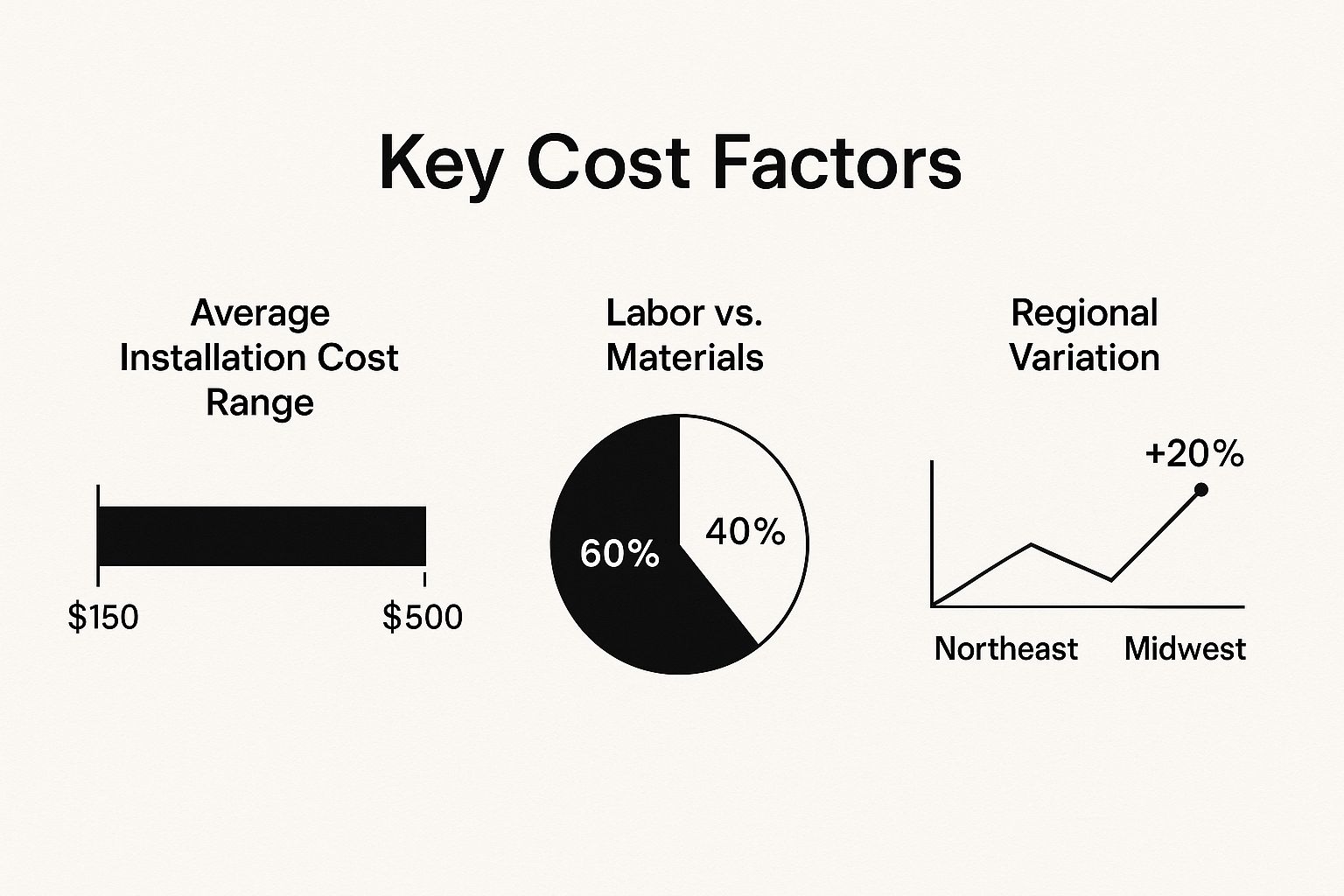
As you can see, labor often eats up more than half of the total budget. It really drives home why the complexity of the installation is such a huge part of the final price.
Wall-Mounted and Smart Toilets: The High-End Options
This is where the toilet installation cost can really start to climb. Wall-mounted toilets deliver a clean, minimalist look by hiding the tank completely inside the wall. The final result is stunning, but getting there is a mini-construction project.
The installation involves:
- Opening up the wall to install a sturdy carrier system.
- Rerouting the waste pipe and water supply lines.
- Patching, repairing, and finishing the drywall after it's all in place.
Because of all these extra steps, labor costs for a wall-hung toilet are worlds apart from any floor-mounted model. The unit itself is pricier, too, often starting around $500 and going up from there.
Similarly, smart toilets bring a dose of technology to the bathroom. With features like heated seats, bidet functions, automatic lids, and self-cleaning wands, they need more than just a plumber—they need electrical work, too. A plumber will have to coordinate the installation of a GFCI outlet near the toilet for safety, adding another layer of complexity and cost.
The price range for different toilet types varies widely. Basic two-piece toilets can cost as little as $100 for the unit, with installed costs typically ranging from $250 to $950. Specialized models like high-tank toilets can cost up to $3,000 for the unit alone, while smart toilets with advanced features generally have installed costs between $750 and $2,500. You can explore more detailed cost breakdowns for various models to see how these prices compare.
Cost Comparison Across Different Toilet Types
To help make your decision clearer, we’ve put together a table that breaks down the typical costs for the most popular toilet models. Just remember, these are ballpark figures. Your final price will depend on your plumber’s rates and any surprises they might find during the job.
| Toilet Type | Average Unit Cost | Estimated Total Installed Cost |
|---|---|---|
| Two-Piece | $100 – $400 | $250 – $600 |
| One-Piece | $250 – $1,000 | $400 – $1,200 |
| Wall-Mounted | $500 – $2,500 | $1,000 – $3,500+ |
| Smart Toilet | $600 – $2,000 | $750 – $2,500+ |
At the end of the day, picking the right toilet is about finding that sweet spot where your style, your needs, and your budget all meet. By understanding how each type impacts the final toilet installation cost, you can make a smart decision that you’ll be happy with for years to come.
Breaking Down Professional Plumber Labor Costs
When you hire a professional plumber, you aren't just paying for a pair of hands to lift a heavy toilet. You're investing in years of troubleshooting experience, proper insurance, and the peace of mind that comes from knowing the job is done right. The labor portion of your bill is often the most significant part of the toilet installation cost, so understanding how it’s calculated is key.
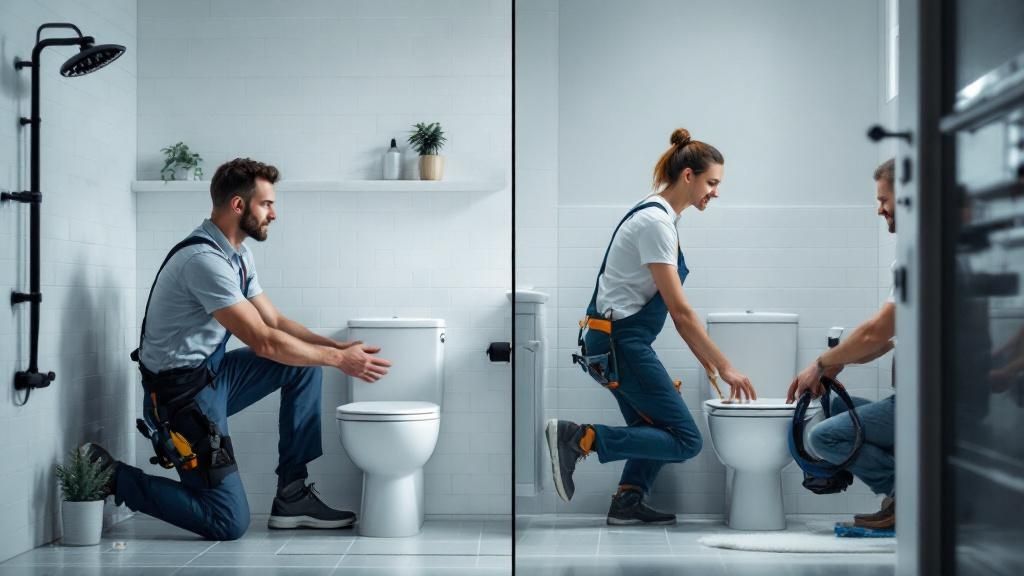
Think of it like hiring a good mechanic. You pay for their knowledge to diagnose that strange engine noise, not just for the time it takes them to tighten a bolt. In the same way, a plumber’s fee covers their ability to spot a potential issue—like a subtly cracked flange or an improperly sealed wax ring—that could cause major water damage down the line.
Hourly Rates vs. Flat-Rate Pricing
Plumbers typically structure their fees in one of two ways, and the method they use can definitely impact your total toilet installation cost.
- Hourly Rates: Many plumbers charge by the hour, with typical rates falling between $75 and $150 per hour. This is common for jobs with unknown variables, where unexpected problems could add to the project time.
- Flat-Rate Pricing: For a standard toilet replacement, many companies offer a flat-rate fee. This price covers the entire job from start to finish, whether it takes them one hour or three. This gives you cost certainty, which is a huge benefit for budgeting.
A simple, straightforward replacement of a standard two-piece toilet might only take a pro 1-3 hours. But if you're installing a complex wall-mounted unit or the plumber uncovers hidden damage, that time can multiply quickly, making an hourly rate more expensive.
Factors That Influence Labor Charges
Not all plumbing jobs are created equal. Several key factors can cause labor costs to fluctuate, and knowing what they are helps you understand why one quote might be higher than another.
Plumber’s Experience Level
A master plumber with decades under their belt will command a higher hourly rate than a journeyman or an apprentice. While it’s tempting to go with the cheapest option, a seasoned pro often works more efficiently and is better equipped to handle curveballs, which could save you money in the long run.
Geographic Location
Labor costs are heavily tied to the local cost of living. You can expect to pay more for a plumber in a major city compared to a small, rural town. This regional price difference can swing your total bill by 20% or more.
Timing of the Service Call
When you schedule the work really matters. A standard appointment during regular business hours will always be your most affordable option. If your toilet gives up the ghost on a Saturday night and you need immediate help, expect to pay a premium for after-hours or emergency service.
When a plumbing emergency strikes, time is of the essence. Having reliable help on call can prevent a small leak from turning into a major catastrophe. For homeowners who find themselves in a tough spot outside of normal business hours, knowing about available 24-hour emergency plumbing services can provide critical support and prevent further damage.
Don't Forget the Additional Fees
Beyond the base labor rate, a plumber’s invoice might include a few other line items. It's always a good idea to ask about these potential charges when getting a quote so there are no surprises.
- Service Call Fee: Sometimes called a trip or dispatch fee, this covers the plumber's time and travel to get to your home. This fee is often waived if you decide to go ahead with the work.
- Disposal Fee: Your old toilet can't just be left at the curb for trash day. Most plumbers charge a small fee, usually $20 to $50, to haul away and properly dispose of the old unit.
- Permit Fees: If your project involves moving plumbing lines, you might need a permit from your local municipality. The plumber will often handle pulling the permit for an additional fee.
By understanding these components, you can look at a plumber's quote with confidence and know exactly what you're paying for—a secure, leak-free installation that will protect your home for years to come.
Uncovering Hidden Costs in a Toilet Replacement
The price tag on that shiny new toilet and the plumber’s standard installation fee are really just the starting line. What looks like a simple swap can get complicated fast, especially once the old toilet is lifted. Pulling it up can reveal all sorts of problems that were hiding right under your nose.
This is where being prepared for the "what-ifs" is crucial. It’s the key to setting a realistic budget and avoiding that awful sticker shock when the final bill arrives.
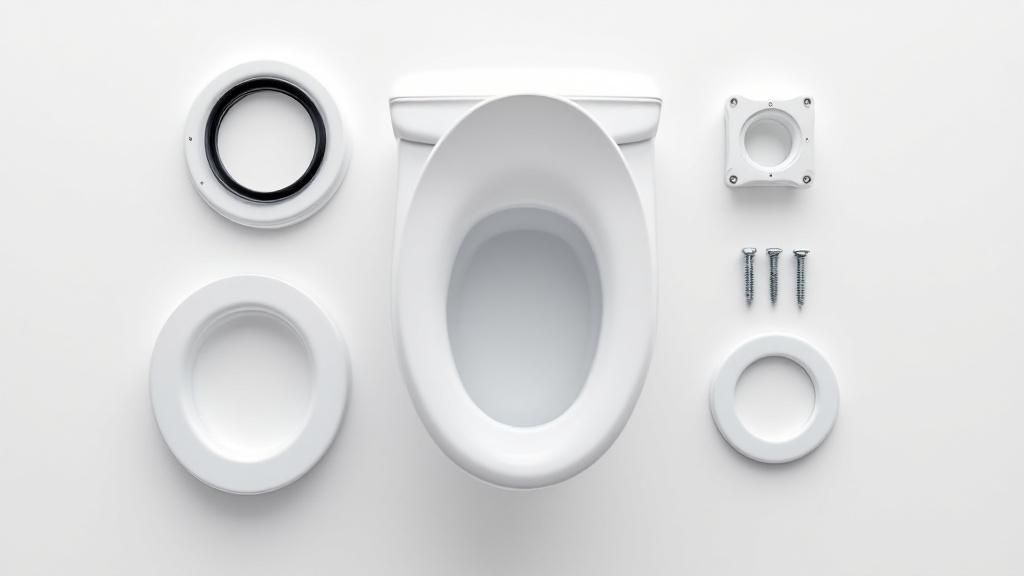
Think of it like getting a small scratch on your car fixed. The initial estimate seems fair, but once the body shop starts working, they might find rust lurking under the paint. Suddenly, it’s a much bigger job. The exact same thing can happen here; a plumber just can't know the whole story until that old toilet is completely out of the way.
These unexpected discoveries are how a straightforward project can see its price tag balloon. By understanding what might be waiting for you under that old commode, you can ask the right questions upfront and budget for things that might go wrong.
Common Problems Discovered Mid-Installation
As soon as your plumber pulls the old unit, they get a clear view of the plumbing rough-in and the floor around it. This is the moment of truth. It's when several common, and potentially costly, issues tend to show themselves.
-
Cracked or Broken Toilet Flange: The flange is the round fitting that bolts the toilet to the drainpipe. If it's cracked, your new toilet will never sit securely, which leads to wobbling and leaks. Replacing a flange can easily add $75 to $200 to your bill.
-
Leaky Wax Ring Damage: That wax ring is supposed to create a perfect seal between the toilet and the flange. If that seal has failed—even with a slow, invisible leak—it can cause serious water damage to the subfloor.
-
Outdated Plumbing: In older homes, it's not uncommon to find plumbing that doesn't meet today's building codes. Your plumber might find old, corroded cast-iron pipes or shut-off valves that are seized up and have to be replaced.
You can't just ignore these problems. Putting a new toilet on top of them will only guarantee bigger, more expensive headaches down the road, like constant leaks, foul sewer gas escaping into your home, or even major structural rot.
The Cost of Subfloor and Drywall Repairs
Of all the potential surprises, water damage is usually the most serious and the most expensive to fix. A slow, nagging leak from a bad wax ring can silently turn the solid wood of your subfloor into a soft, spongy mess.
If your plumber finds water damage, the installation stops dead in its tracks. You'll have to fix the flooring issue before the new toilet can be installed. The cost to repair even a small section of rotted subfloor can run from $200 to $500, and sometimes more, depending on how bad the damage is.
This kind of repair often means bringing in a separate contractor to cut out the damaged wood and replace it with fresh plywood. If the leak damaged the wall, drywall repairs can tack on another $100 to $300. It's critical to get these issues fixed correctly. For widespread damage or structural concerns, it's smart to consult with experts who offer a full range of plumbing services in Monterey, CA to make sure your home is safe and sound.
Changing the Toilet's Location
Are you thinking about a remodel and want to move the toilet to a new spot? Be prepared, because this is one of the biggest cost escalators you can run into. Unlike a simple replacement, relocating a toilet is a major plumbing job that will dramatically inflate the final price.
Why Relocating a Toilet Is So Expensive
- Moving the Waste Pipe: The big 3- or 4-inch drainpipe has to be completely rerouted under the floor to the new location. This means cutting into your home's floor structure, which is a very labor-intensive process.
- Relocating Supply Lines: The smaller water supply line also has to be moved, which often requires opening up walls.
- Permits and Inspections: Moving plumbing almost always requires a permit from your local building department. This adds administrative fees and inspection time to the project.
Just moving a toilet a few feet can add $500 to $3,500 or more to your project, all depending on the complexity of the job and how your house is built. It's a task that turns a simple installation into a mini-remodel. Knowing about these hidden costs empowers you to have a much better conversation with your plumber and create a budget that won't fall apart if a few surprises pop up.
Smart Ways to Save on Your Installation
While some parts of a toilet installation cost are set in stone, there are plenty of smart moves you can make to lower your final bill without compromising on a quality job. A little planning and savvy decision-making can make your project much more affordable.
From choosing the right time for the job to picking a model that saves you money over its lifetime, let's explore practical strategies to keep your budget in check. These tips will help you balance upfront costs with long-term value.
To DIY or Not to DIY That Is the Question
The most obvious way to slash your toilet installation cost is to do it yourself, cutting out labor fees entirely. It's tempting, but this route isn't for everyone. A successful DIY installation hinges on having the right skills, tools, and a bit of plumbing know-how.
A simple, like-for-like replacement can be a manageable weekend project if you're comfortable with basic home repairs. However, what seems straightforward can quickly spiral. One small mistake, like an improperly seated wax ring, can lead to slow, silent leaks that cause thousands in subfloor damage.
Before you decide to tackle it yourself, be honest about your abilities. Ask yourself:
- Do I know how to completely shut off the water supply to the toilet?
- Am I physically able to lift a heavy, awkward porcelain fixture without damaging it or my back?
- Do I have all the necessary tools, such as an adjustable wrench, putty knife, and level?
If you answered "no" to any of these, it's a good sign to call in a pro. And if you pull up the old toilet and see a cracked flange or signs of water damage, that's your cue to stop immediately. The risk of causing more expensive problems far outweighs the initial savings.
The Power of Multiple Quotes
If you decide hiring a pro is the right move, don't just call the first plumber you find online. One of the best ways to ensure a fair price is to get at least three separate quotes from licensed and insured plumbers in your area. This lets you compare not just the final price, but also what's included.
When you compare estimates, look closely at the details. Does the price include hauling away the old toilet? Are all necessary supplies, like the wax ring and bolts, listed? Getting everything in writing prevents surprises later. This simple step gives you a clear picture of the market rate and helps you avoid overpaying.
"A common mistake is focusing only on the lowest price. A quote that seems too good to be true might come from an unlicensed or uninsured contractor, putting you at risk. Always verify credentials and check reviews before making a decision."
Long-Term Savings and Strategic Scheduling
Your opportunities to save aren't limited to the installation day itself. The toilet model you choose and when you schedule the work can also significantly impact your overall expenses.
Look for Rebates and Efficiency
Choosing a high-efficiency toilet (HET) with an EPA WaterSense label can unlock immediate savings. Many local utility companies offer rebates for installing water-saving models, which can knock $50 to $100 or more off your initial cost. Over the long term, these toilets use less water per flush, which directly lowers your monthly water bills.
Schedule During Off-Peak Times
Plumbers are busiest during evenings, weekends, and holidays when emergencies are more common. If your toilet replacement isn't an emergency, schedule the work for a weekday morning. You'll avoid premium rates for emergency or after-hours service, ensuring you pay the standard labor fee.
The same principles that help you reduce costs on major projects can apply to smaller jobs, too. In fact, many homeowners find success when they learn how to save on plumbing repairs of all sizes.
Global Trends Shaping the Toilet Market
While you're zeroed in on the details of your bathroom, several major global shifts are quietly influencing the toilets available to you and their final installation cost. These bigger currents shape what manufacturers build, what features become standard, and ultimately, what you pay for a modern, efficient fixture.
One of the most powerful forces is a growing awareness of our environment. As communities everywhere grapple with water scarcity, there's a huge push for fixtures that conserve this precious resource. This has made water-saving technologies, once considered premium upgrades, much more common.
Today, dual-flush systems and high-efficiency toilets (HETs) are becoming the new standard, not the exception. This shift is driven by both consumer demand for lower water bills and government regulations aimed at conservation.
This focus on efficiency means you're far more likely to find a toilet that saves you money on your utility bills over the long run. The initial toilet installation cost for an advanced model might be slightly higher, but the long-term savings often speak for themselves.
The Rise of Urbanization and Smart Homes
Another key driver is the worldwide move toward cities. As more people live in urban areas, our living spaces are becoming more compact. This has created a real demand for space-saving designs like wall-mounted and corner toilets. These models used to be niche products but are now much more mainstream.
At the same time, the smart home movement has officially arrived in the bathroom. Features that seemed futuristic just a decade ago are becoming surprisingly accessible. This includes:
- Integrated Bidets: Offering better hygiene and cutting down on toilet paper use.
- Heated Seats: A little touch of comfort, especially in colder climates.
- Self-Cleaning Functions: Using advanced wands and cleaning solutions to make maintenance a breeze.
- Automatic Lids: Providing touch-free operation for convenience and better hygiene.
This isn't just a passing fad; it reflects a broader market shift. The global toilet installation and repair services market was valued at around $15 billion in 2022 and is projected to grow steadily. This growth is fueled by rising incomes and the demand for these modern, water-efficient sanitation technologies across the globe. You can read the full market research analysis to get a deeper look at these trends.
What This Means for Your Project
Understanding these trends gives you valuable context for your own project. The big push toward efficiency might make a WaterSense-certified model a really smart long-term investment. Likewise, knowing that smart features are becoming more common can help you decide if adding an electrical outlet near your toilet during a remodel is a savvy, future-proofing choice.
When buying a new home or planning a renovation, it's critical to think about how these modern plumbing options fit into the bigger picture. You might find our guide on plumbing features to check before you buy a new home helpful, as it can help you evaluate a property's readiness for these advancements. These global currents directly impact the options on the shelf and the total toilet installation cost for your home.
Common Questions About Toilet Installation Costs
Even after you've set a budget and picked out the perfect toilet, a few lingering questions are perfectly normal. Getting clear answers to these common details helps you move forward with confidence and sidestep any last-minute surprises on your bill.
Think of this as your final checklist before the work begins. You've handled the big decisions, but getting these smaller details right is what makes for a smooth, predictable project from start to finish.
Do I Need a Permit to Replace a Toilet?
For a simple, like-for-like toilet swap, you usually do not need a permit. You're just taking out an old fixture and putting a new one in the exact same spot. No major plumbing changes are involved.
However, if your project involves moving the toilet to a new location in the bathroom, you will almost certainly need a permit. That’s because relocating a toilet means altering the home’s main drain and water supply lines. This is a significant plumbing modification that has to meet local building codes. It's always best to double-check with your city or county’s building department just to be safe.
What Does a Plumber’s Quote Usually Include?
This is a critical question to ask any plumber before you hire them. A quote can be structured in a few different ways, and you need to know exactly what you’re paying for.
- Labor and Supplies Only: This is the most common setup. The quote covers the plumber's time and small installation parts like the new wax ring and mounting bolts. In this case, you are responsible for buying the toilet yourself.
- All-Inclusive Price: Some companies offer a package deal. This price includes a specific model of toilet, all the necessary supplies for installation, the labor, and even hauling away the old unit.
Always ask for specifics on the toilet model if you go with an all-inclusive price. A misunderstanding on this point is one of the most frequent causes of unexpected costs in a toilet installation.
When you get a quote, make sure to confirm whether it includes the disposal of your old toilet. Some plumbers charge a separate fee of $20 to $50 for this service, and you don’t want that to be a surprise on the final bill.
Is It Cheaper to Bundle Plumbing Jobs?
Yes, absolutely. Bundling plumbing tasks is a great way to save money. Most plumbers have a minimum service fee just for showing up at your home. By having your toilet installed at the same time as other tasks—like fixing that slow-draining sink or installing a new faucet—you only pay that one-time service charge for multiple jobs.
This is much more cost-effective than calling a plumber out for several different small issues on separate days. It’s a smart way to knock out a whole list of nagging plumbing problems in Monterey all at once.
Ready to ensure your toilet installation is handled correctly and efficiently? The certified professionals at Alvarez Plumbing have over 35 years of experience providing prompt, dependable service to homeowners throughout Monterey County. Contact us today for a clear, comprehensive quote. https://alvarezplumbingsalinas.com