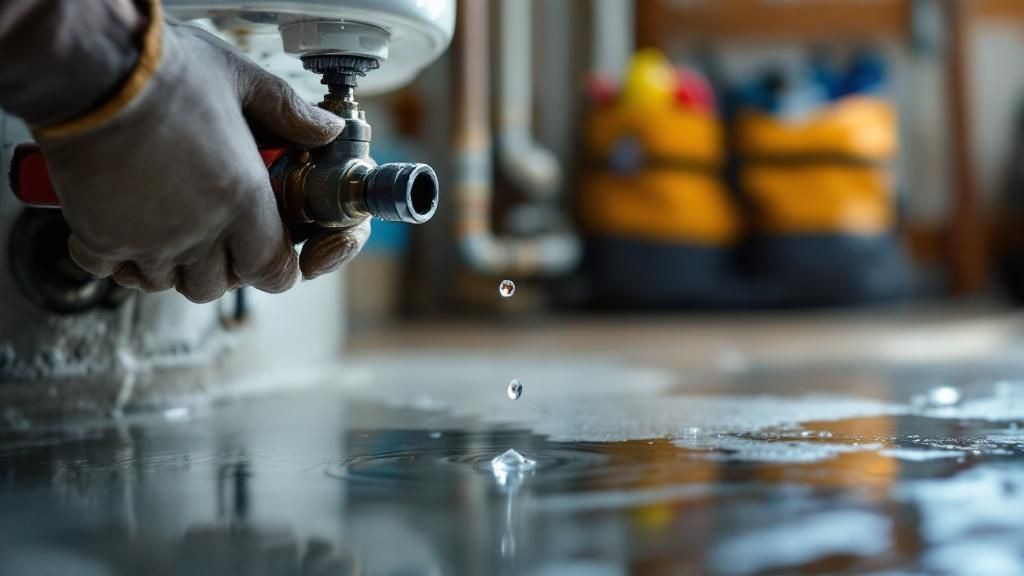
That small puddle under your water heater is more than just annoying; it's a clear signal that something’s wrong. A water heater leaking from a valve is one of the most common plumbing headaches we see in Salinas and Monterey County, and it almost always means a part needs a professional's attention. Don't panic, but you definitely shouldn't ignore it.
Understanding Leaks From Your Water Heater
Finding a puddle in your garage or utility closet is a stressful moment for any homeowner. Whether you're in Salinas or Carmel-by-the-Sea, that sinking feeling of "Oh no, what now?" is something we all understand. The good news? A leak coming from a valve is usually a fixable problem if you catch it early. It’s a sign that a part is failing, but it doesn't automatically mean your whole water heater is toast.
The first step is to figure out where the water is actually coming from. Your water heater has two main valves that are the usual suspects:
- The Temperature & Pressure (T&P) Relief Valve: This is a key safety feature, usually on the top or side of the tank. Its job is to let water out if the pressure or temperature inside gets dangerously high.
- The Drain Valve: Located near the bottom, this valve looks like a regular spigot for a garden hose. Plumbers use it to drain the tank for service.
A leak from either of these can be a slow drip or a steady stream. Figuring out which one is leaking helps a professional plumber find the cause much faster.
Identifying the Source of the Leak
It’s important to know which valve is leaking. A drip from the drain valve is common and is often caused by age or simple wear. But it's easy to mix up with a leak from the T&P relief valve. The T&P valve should only open when pressure is too high or if the water temperature goes above 210°F.
On the other hand, drain valves—especially the old plastic ones—can start leaking because their internal rubber seals have worn out. The plastic can also get brittle and crack over time. If you want to dive deeper, you can learn more about these causes and solutions by exploring water heater valve issues.
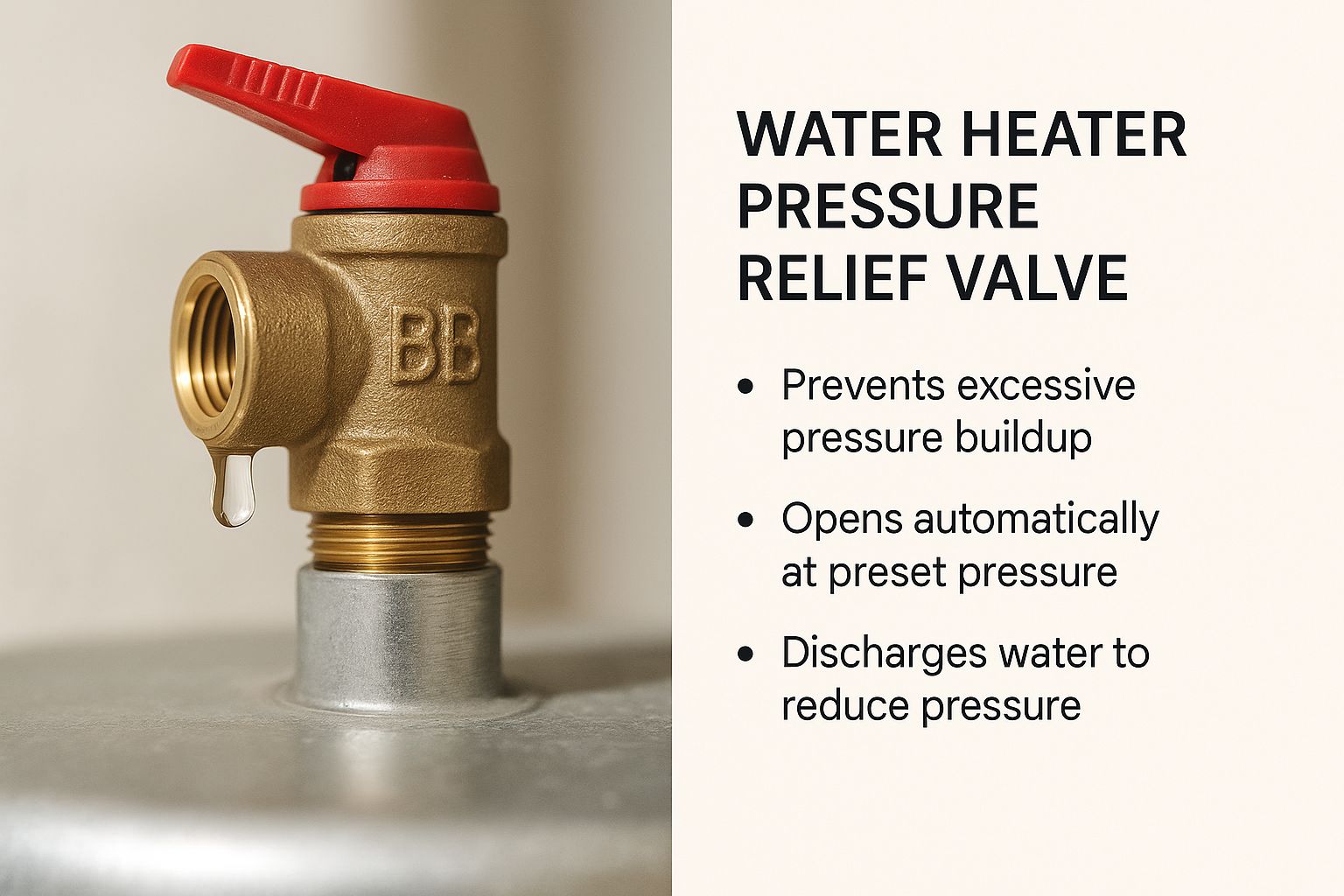
The image above shows a pressure relief valve up close. It’s a good reminder that even one drop can signal a bigger problem. These parts are built for safety, and even a tiny drip shouldn't be ignored.
Quick Leak Identification Guide
For folks in Prunedale or Pacific Grove, the hard water we have across Monterey County can make these valves wear out even faster. Mineral buildup can keep them from closing all the way, leading to those annoying drips.
This simple guide can help you get a better idea of what might be causing the leak.
| Symptom | Most Likely Valve | What It Signals |
|---|---|---|
| Water dripping from a pipe on the side of the tank. | T&P Relief Valve | High pressure or temperature inside the tank. This is a serious safety concern. |
| A slow drip from the spigot at the bottom. | Drain Valve | A worn-out washer or a cracked plastic valve. This can get worse quickly. |
| Puddle forms with no visible dripping from valves. | Tank Leak | The tank itself may be rusting from the inside. This usually requires a full replacement. |
This table can give you a starting point, but remember, any leak needs a professional's attention.
A leaking valve is a warning sign. While a drain valve leak is an annoyance that can cause water damage, a T&P valve leak could point to a dangerous pressure problem. It's vital to fix either leak quickly to protect your home and your family. Since 1988, our family-owned business has helped neighbors across the region solve these problems safely.
Why Water Heater Valves Fail in Monterey County
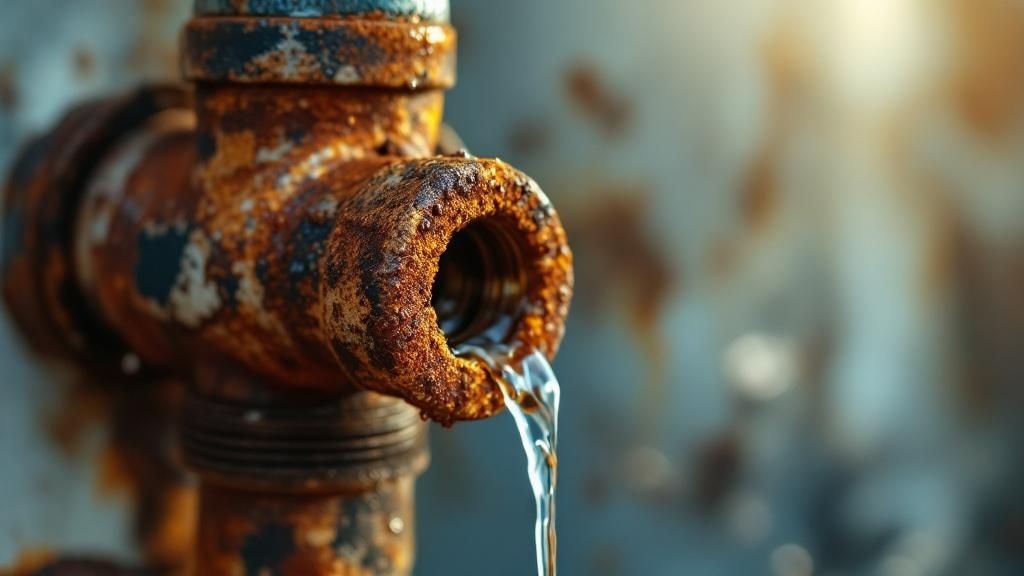
A leaking water heater valve is almost never just bad luck. More often, it’s a direct result of our local conditions putting stress on your plumbing. Here in Monterey County, from the farmlands of Watsonville to the coastal homes of Carmel-by-the-Sea, our water heaters face challenges that cause valves to fail too soon.
Understanding these local factors is the first step in stopping a small drip from becoming a flood. Two issues cause most of the valve leaks we see every day: our hard water and changing city water pressure.
The Problem With Our Local Water Supply
If you’ve ever seen that chalky white buildup on your faucets, you’ve seen the effects of hard water. Monterey County’s water supply has a lot of minerals like calcium and magnesium. While they’re safe to drink, these minerals are tough on your water heater.
When water gets hot, these minerals create a thick layer of sediment at the bottom of the tank. This isn't just a minor issue; it's very corrosive.
- It Damages Valve Seals: This gritty sediment grinds away at the rubber seals and gaskets inside your drain valve and T&P valve. Over time, it wears them down until they can't seal tightly.
- It Blocks Valves: Small bits of mineral scale can get stuck in the valve, keeping it from closing all the way. This is a common cause of that slow, steady drip from the drain valve.
This constant wear is why so many homeowners in Marina and Seaside find their water heater leaking from a valve.
How Water Pressure Puts a Strain on Your System
The other big factor is the water pressure coming into your home. Your whole plumbing system is built to handle a certain pressure range. When the pressure is too high, it puts constant stress on every pipe, joint, and valve.
High water pressure is a top cause of failure for all water heaters. Most local codes in our area cap home water pressure at 80 psi for a good reason—anything higher starts to damage parts, especially weak spots like valve seals.
In communities all over our service area, from Prunedale down to Pacific Grove, city water pressure can go up and down. This stress can cause seals to fail or even lead to tiny cracks in older plastic drain valves.
We’ve seen it countless times since our family started this business back in 1988. A neighbor calls us about a drip that won’t stop. Nine times out of ten, the cause is a mix of sediment buildup and high water pressure—two problems we know exactly how to solve.
The Importance of Local Expertise and Maintenance
These local problems need a local solution. Just replacing a leaky valve without fixing the main cause—the hard water and high pressure—is only a temporary fix. The new valve will just fail for the same reasons.
This is why regular maintenance is so important.
- Annual Tank Flushing: This is the best thing you can do. Draining the tank gets rid of all that gritty gunk that destroys valve parts.
- Pressure Check: A licensed plumber can test your home’s water pressure. If it's too high, installing a pressure-reducing valve is a simple fix that protects your whole plumbing system.
- Anode Rod Inspection: This rod attracts corrosive stuff, protecting the tank itself. It needs to be checked every few years and replaced when it's worn down.
Dealing with a leaking valve is frustrating, but a professional diagnosis can get to the bottom of it fast. For a closer look at how we handle these issues, check out our guide on water heater repair in Salinas, CA. Our team knows the challenges our local water brings and can provide a solution that lasts.
The Hidden Dangers Of A ‘Minor’ Valve Leak
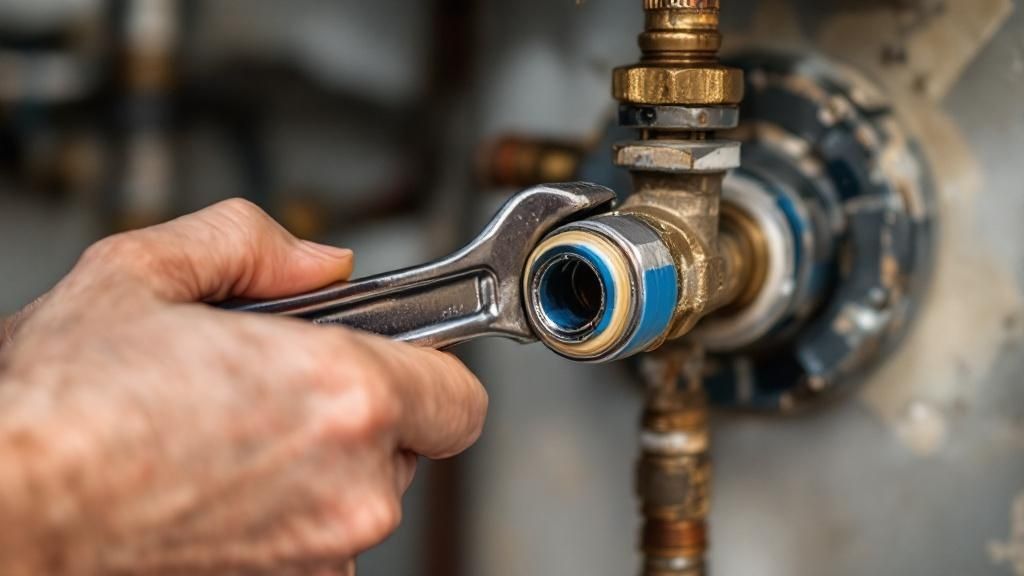
That slow drip from your water heater valve might seem like something you can deal with next weekend. But in communities like Pacific Grove and Castroville, even a small leak can turn into a big emergency.
Ignoring a water heater leaking from a valve isn’t worth the risk. What starts as a few drops can hide much more serious problems.
The Unseen Damage To Your Home
Moisture is a silent destroyer. Over a week, even a tiny leak can release gallons of water into your walls and floors.
If you don't fix it, this seepage can:
- Warp Flooring: Hardwood floors can buckle, and laminate can blister.
- Weaken Subfloors: The wood under your floor can swell, soften, and eventually rot.
- Damage Drywall: Damp drywall can crumble and become a breeding ground for mold.
Statistics show that about 14,000 U.S. homeowners deal with water leaks every day, with the average claim being around $6,965. You can learn more about the impact of water heater leaks on homeowners.
More Than Just Water Damage
Different valve leaks tell different stories. A dripping temperature and pressure (T&P) relief valve is more than just a bad part—it’s an alarm bell.
A leaking T&P valve is your water heater’s cry for help. It means the safety system is working, and the pressure problem must be fixed right away by a professional to prevent the tank from failing.
If that valve keeps leaking, pressure inside the tank could be building to dangerous levels.
The Hidden Costs And Health Risks
A constant drip isn’t just messy – it drives up your utility bills as hundreds of gallons of heated water go down the drain.
Our damp coastal climate here on the Monterey Peninsula makes things worse. The dark, humid space behind your water heater is a perfect spot for mold to grow, which can affect your family's health. That’s why it’s a good idea to learn how to detect a water leak early.
Ignoring a leaking valve only leads to more damage and higher costs. If you see even a small amount of water, don’t wait. Call a licensed plumber right away to diagnose the problem and protect your home.
To learn more about what happens after major water damage, check out the benefits of having your floors restored.
Why DIY Valve Repair Often Goes Wrong
When you see a water heater leaking from a valve, it’s tempting to grab a wrench and fix it yourself. A can-do spirit is great for many home projects, but a water heater is not a simple leaky faucet. It’s a complex machine that involves water, high heat, and either a gas line or high-voltage electricity. This can be a dangerous mix if you're not a trained professional.
Replacing a valve might seem simple, but there's more to it than just twisting a part on and off. There are a few key steps that, if done wrong, can be dangerous. Briefly, you would need to:
- Shut Everything Down Correctly: This involves turning off the water supply and then the gas line or the electrical breaker. A mistake here could cause a gas leak or a serious electrical shock.
- Drain the Tank Safely: A 40- or 50-gallon tank holds hundreds of pounds of very hot water. Draining it without flooding the area or getting burned takes skill.
- Handle Unexpected Problems: What if the old valve is rusted on and breaks off? This is a common problem in places like Salinas with hard water. It can quickly turn a "simple" repair into needing a brand new water heater.
Because of these risks, we always recommend calling a licensed plumber.
From a Small Drip to a Major Flood
We've seen this happen many times across Monterey County. A homeowner in Seaside tries to tighten an old plastic drain valve, only to have it snap off and release 40 gallons of water across their garage. Or someone in Carmel Valley replaces a T&P valve but doesn't install it correctly, causing a much bigger leak.
These are real-world examples from our 35+ years of experience. A DIY repair gone wrong can easily cause thousands of dollars in water damage—far more than the cost of calling a professional.
Local Codes and Your Family's Safety
You also have to think about local rules. Plumbing codes can be different from Marina to Watsonville. A licensed plumber knows all these local codes, making sure any work is done correctly and safely. This isn't just about rules; it's about protecting your home and family.
Proper repair is key for your water heater to work safely. You can get a better sense of the safety steps involved by checking out our guide on water heater safety tips for Salinas homeowners.
At the end of the day, this job requires more than a toolbox. It needs special knowledge, a focus on safety, and the experience to handle problems. For your own peace of mind and to protect your property, a leaking water heater valve is a job best left to a licensed professional.
The Professional Solution to a Leaking Valve
When you spot a water heater leaking from a valve, the first thing you probably think about is the stress and mess of a big repair. We get it. But calling us at Alvarez Plumbing isn't about a quick fix. It's about getting a real solution from a team that's served homes across Monterey County, from Salinas to Pacific Grove, for over 35 years. We don’t just stop the drip; we find out why it started, so it doesn't happen again.
The first thing we do is a proper diagnosis, not just a quick look at the puddle. A leaking valve can be a warning sign of a bigger problem, like dangerously high water pressure or a tank full of sediment—both common issues with the water here.
Finding the Real Problem and Giving You Honest Options
Finding the true source of the leak is the most important part of the job. Is it just a worn-out washer on the drain valve? Or is the T&P valve opening because of too much pressure in the tank? The answer completely changes how we fix the problem.
- Simple Valve Swap: Sometimes, it really is simple. A valve fails from old age, and a replacement is all that's needed. We'll show you why it failed and install a heavy-duty brass valve that holds up better to our local hard water.
- Fixing the Root Cause: If we find your water pressure is too high, we’ll talk about installing a pressure-reducing valve. This protects not just your water heater but all the faucets and appliances in your house. If sediment is the problem, we'll explain the benefits of a tank flush.
- Checking the Tank's Health: On older units—10 years or more—a leaky valve can be the first sign that the tank is failing. If we see a lot of rust or other signs of wear, we’ll give you an honest opinion on whether a repair makes sense or if a replacement would be smarter in the long run.
Our family-owned business was built on trust and straight talk back in 1988. We make it a point to explain everything clearly and give you upfront pricing before we start any work. You’ll always have the final say, with all the info you need to decide what’s best for your home and budget.
Getting It Done Right, the First Time
We know a plumbing emergency messes up your whole day. That’s why our trucks are like rolling warehouses, stocked with the parts we need, including common T&P and drain valves for all major water heater brands. This means we can usually finish the repair in one trip, saving you time and getting your life back to normal fast.
Imagine you're in Castroville, trying to get to work, and you find a puddle on your garage floor. You don't want a plumber who has to run back to the shop for a part. Our goal is to fix it right and fix it on the first visit.
Keeping Things Running Smoothly for the Long Haul
Once the leak is fixed, we want to help you avoid future problems. The best way to extend the life of your water heater and prevent leaks is regular maintenance. For a good look at what's involved, check out our guide on a proper water heater maintenance schedule. It gives a great overview of the steps that will keep your unit running well for years.
Whether it’s a simple valve replacement in Carmel Valley or a more complex problem in Watsonville, our team has the local knowledge and experience to handle it. Choosing a professional solution for a leaking valve isn't just about stopping a drip—it's about investing in the safety and future of your home's plumbing.
Common Questions About Leaking Water Heater Valves
When you see your water heater leaking from a valve, questions pop into your head pretty fast. We get it. Over our decades of serving homeowners from Salinas to Watsonville, we've heard just about every question there is. Here are the honest, simple answers to the ones we hear most often.
How Much Will It Cost To Replace A Leaking Valve?
This is always the first question, and for good reason. The final cost to replace a leaking valve here in the Salinas area depends on a few things. First, which valve is it? The T&P relief valve is a different job than the drain valve at the bottom. How easy it is to get to your water heater and its overall condition also play a part.
A simple valve swap is usually one of the more affordable plumbing repairs. But every home is different. The only way to get a real number is for one of our licensed plumbers to see it in person. We believe in being upfront, which is why we always give you clear pricing before we start any work. No surprises, ever.
Can I Just Tighten The Valve To Stop The Leak?
It’s a tempting idea, but we strongly advise against trying to tighten a leaking valve yourself. It almost always does more harm than good, especially with the old plastic drain valves common in homes around here.
Over the years, that plastic gets very brittle. Putting a wrench on it and trying to force it can easily cause it to crack or snap right off. If that happens, a slow drip becomes a huge gush of water, and you have a major flood on your hands in minutes.
And if it's the T&P valve that's leaking? Tightening it does nothing to fix the real problem. That valve is leaking because there’s a pressure or temperature issue inside the tank. A professional diagnosis is the only safe way to go.
Does A Leaking Valve Mean I Need A Whole New Water Heater?
Not always, but it can be a red flag, especially on an older unit. If your water heater is only a few years old, a simple valve replacement is often all that's needed.
However, if your tank is over 10 years old, a leak could hint at bigger problems. The same hard water in Monterey County that caused the valve to fail might also mean the tank's inner lining is breaking down. A major warning sign is if you've also seen your water heater leaking from the bottom. That's often the final sign that the tank itself has failed.
Our technicians will always give you an honest opinion. We'll look at the overall health of your unit and explain the pros and cons of repairing versus replacing it. That way, you can make the best decision for your home and your budget.
How Quickly Do I Need To Act On A Small Leak?
Immediately. There's no such thing as a "minor" leak you can put off. Water problems never fix themselves—they only get worse and more expensive.
Even a tiny drip can lead to big headaches:
- Costly Water Damage: It can soak into drywall, warp your subfloor, and ruin flooring.
- Mold Growth: It creates unhealthy air, which is a real concern in our coastal climate.
- Higher Utility Bills: That slow drip can waste hundreds of gallons of heated water every month, raising your bills.
The best thing to do is shut off the water supply to the heater and call a professional right away. Acting fast is the best way to protect your home from more serious damage.
When you've got a leaking water heater valve, you need reliable help, and you need it fast. Alvarez Plumbing has been a trusted part of the Monterey County community since 1988, and we're here to provide the expert solutions you need. Contact us today for prompt, professional service.