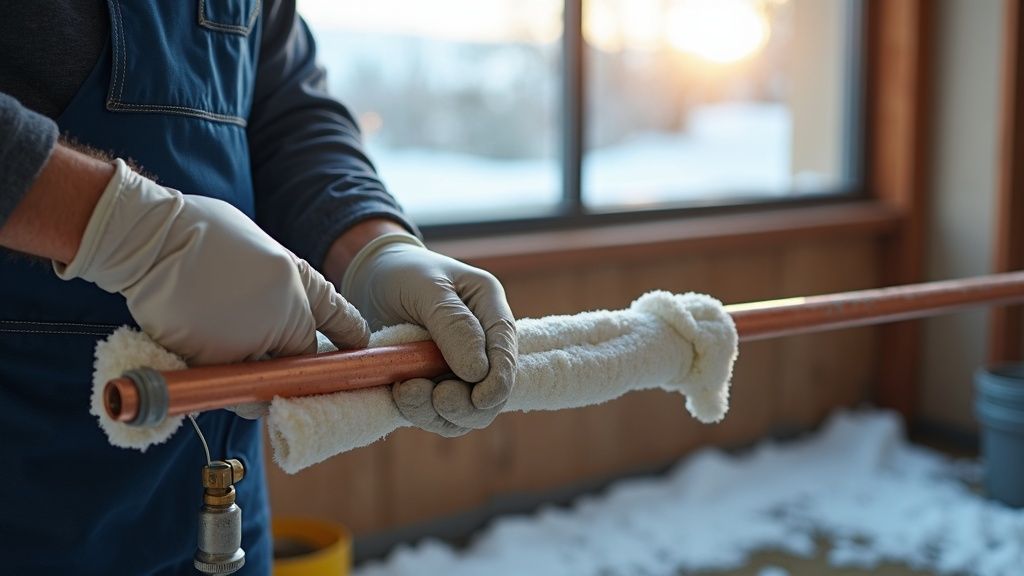
To properly winterize your house plumbing, you need to take a few key steps: insulating any exposed pipes, disconnecting your outdoor hoses, and taking care of existing leaks before the temperature really starts to drop. For anyone with a home in Monterey County, this proactive approach is what stands between you and a nasty surprise when a cold snap hits.
Why Winterizing Your Plumbing Is a Smart Move in Monterey County
Let's be honest—Salinas and Carmel-by-the-Sea aren't exactly known for blizzards. But as a family-owned plumbing company that's been serving this community since 1988, we've seen firsthand how an unexpected cold snap can cause huge problems for a home's plumbing.
A sudden dip in temperature, especially in areas like Prunedale or up in the Carmel Valley hills, is all it takes to catch homeowners completely by surprise.
The real danger isn't a long, drawn-out freeze; it's the quick temperature drop that freezes the water sitting inside unprotected pipes. When water freezes, it expands with incredible force—enough to split copper or PVC pipes. This can lead to messy, destructive, and seriously expensive pipe bursts. This guide is about being prepared, not paranoid.
The Real Cost of Skipping Winterization
Putting off your plumbing prep before winter is a big financial risk. A burst pipe often leads to far more than just a plumbing repair bill; it can cause extensive water damage to your floors, drywall, insulation, and personal belongings. Finding ways to be proactive is always the best solution, and you can find more details by preparing for winter weather.
Taking a few simple preventative steps now is a tiny investment that protects your home and buys you peace of mind before the coastal chill sets in.
At Alvarez Plumbing, we've seen it all. A single night of freezing temperatures in an unheated Seaside garage or a Castroville crawlspace is enough to cause thousands in damages. Winterizing is the most effective insurance you can get against this incredibly common problem.
Simple preventative measures are always the key. They not only save you from the headache and high cost of an emergency repair call but also help extend the life of your entire plumbing system. Just think of it as a crucial part of your annual home maintenance, right up there with clearing your gutters or getting your furnace checked.
Identifying Your Plumbing’s Weak Spots Before Winter Hits
Before you can really protect your plumbing, you have to know exactly where the risks are hiding. Every home, from historic properties in Pacific Grove to newer builds in Watsonville, has plumbing weak spots that are vulnerable to a sudden coastal freeze. Figuring out where they are is the first, most important step in winterizing your home’s plumbing.
The biggest culprits are always the pipes located in unheated or poorly insulated areas. These are the front lines in the battle against a freeze, as they have the least protection when temperatures plummet. Take a mental walk through your home's layout—do you have water lines running through any of these high-risk zones?
Common Vulnerable Areas in Monterey County Homes
Most homes in our service area share similar features that can turn into a winter plumbing risk. It’s critical to give these spots some extra attention before the first cold snap arrives.
- Exposed Outdoor Faucets (Hose Bibs): These are directly exposed to the elements. Honestly, they're the number one cause of winter pipe bursts we see.
- Unheated Garages: Many homes in Seaside and Marina have plumbing for washing machines or water heaters running along cold, uninsulated garage walls.
- Crawlspaces and Basements: Those charming older homes in Pacific Grove and Monterey? They often have crawlspaces with exposed pipes that are highly susceptible to cold air.
- Pipes Near Exterior Walls: Any pipe located along an outside wall, especially one that faces north, gets a lot less warmth from your home’s heating system.
Another key area to think about is any vacation property, like a weekend home in Carmel-by-the-Sea or Carmel Valley, that might sit empty for long stretches. Unoccupied homes are especially vulnerable since no one is there to spot the early signs of a problem. We have a lot more general winter plumbing tips that can help you stay prepared.
Why These Areas Are at Risk
The danger here boils down to simple physics. When water freezes inside a pipe, it expands and puts a tremendous amount of pressure on the pipe walls—enough to easily split a copper or PVC pipe. The result is costly repairs and serious water damage.
As plumbers who have served Salinas since 1988, we know it’s not just the temperature you see on the news that matters. A cold wind whipping off the Monterey Bay can drastically lower the effective temperature on an exposed pipe, creating a freeze risk even when the forecast seems mild.
Understanding why these spots are vulnerable is half the battle. A pipe in a cold Prunedale garage or an exposed line under a Castroville home doesn't get any benefit from your home's insulation and heating. By spotting these potential problem areas now, you can take targeted action to prevent a disaster later on.
To make this easier, we’ve put together a quick checklist to help you identify at-risk plumbing components in your Watsonville or Marina home before a cold snap arrives.
Winter Plumbing Vulnerability Checklist
| Plumbing Area | Common Risk Factor | What to Look For |
|---|---|---|
| Exterior Faucets | Direct exposure to wind and freezing air. | Hoses still attached; no faucet covers. |
| Garage | Uninsulated walls and lack of heating. | Water lines for laundry or sinks along outside walls. |
| Crawlspace/Basement | Cold air circulating under the home. | Visible, uninsulated water pipes. |
| Attic | Poor insulation allows cold air to settle. | Any water supply lines running through the attic space. |
| Under Sinks | Located in cabinets on exterior walls. | Drafts coming from where pipes enter the wall. |
| Vacant Properties | No water movement and no heating. | Any and all plumbing systems are at high risk. |
Take a few minutes to walk through your property with this list in hand. A little bit of proactive investigation now can save you a whole lot of headache—and money—when the temperatures drop.
A Quick Guide to Protecting Outdoor Faucets
Around here in Salinas, outdoor faucets—or hose bibs, as we call them—are a common source of winter plumbing headaches. That chilly air rolling in off Monterey Bay can freeze them solid surprisingly fast. The biggest mistake homeowners make is leaving a garden hose attached, which can trap water and cause the pipe inside your wall to burst.
Here's a brief summary of what's involved:
- Disconnect the Hose: First, get that garden hose off the spigot. This simple action eliminates the primary cause of freeze-related pipe bursts.
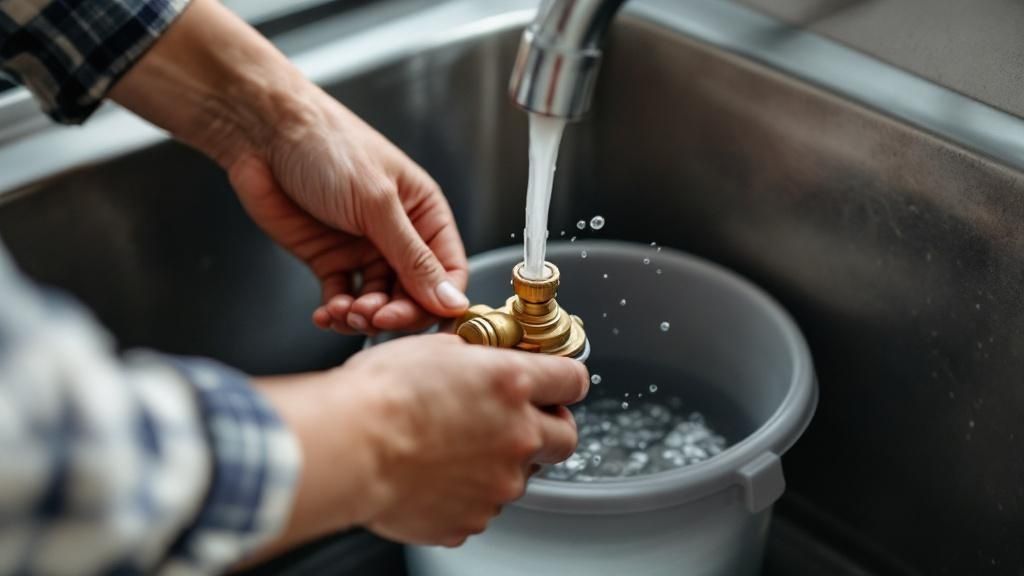
- Drain the Faucet: Once the hose is off, open the spigot for a few seconds to let any remaining water dribble out.
- Add a Faucet Cover: Pop on a weatherproof, insulated foam cover. You can find these at any local hardware store, and they provide an essential extra layer of defense.
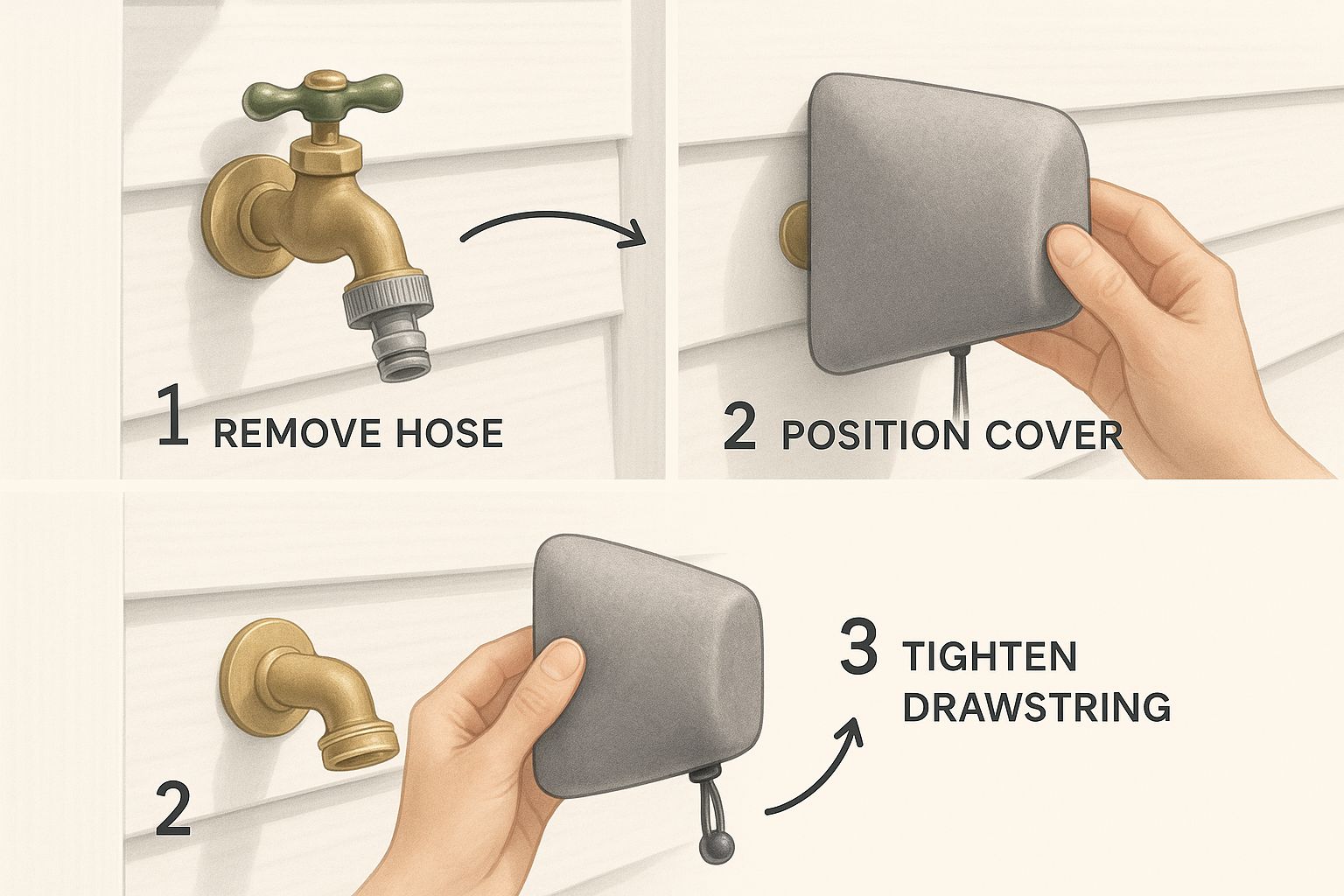
Even in places like Prunedale or Carmel Valley, where the forecast might look mild, a sudden frost can catch you off guard. A cover provides that essential extra layer of defense against unexpected temperature drops.
Recognizing When a Cover Isn’t Enough
Sometimes, a simple foam cover won't solve an underlying issue. If your outdoor faucet still drips after you've shut it off tightly, that's a sign of a worn-out seal or washer. An insulation cover can't stop a leak that's already happening.
Another red flag is a stiff or hard-to-turn handle. This usually points to mineral buildup or a worn valve inside, both of which can trap water and raise the risk of a freeze.
“An unnoticed drip on an outdoor faucet can waste over 500 gallons of water in a single month.”
Protecting your spigots by disconnecting hoses and adding a cover is a great start. In our experience, these two steps cut freeze-related damage calls by over 60%.
When to Call a Licensed Plumber
For most homeowners from Monterey to Marina, disconnecting hoses and adding faucet covers is a great first step. But if you have a persistent drip or a handle that’s hard to turn, it’s a clear sign of a deeper problem that needs a professional plumber.
- Signs Of a Leak: Dripping continues even after the hose is removed and the handle is cranked shut.
- Handle Resistance: The valve is tough to turn or makes a grinding sound.
- Hidden Damage: You suspect a crack inside the wall or see other signs of a frozen pipe.
The team here at Alvarez Plumbing brings over 35 years of local experience to the table. We can inspect the faucet, replace worn-out seals, and fix any internal parts before the first frost hits in Seaside or Pacific Grove. Don't wait until you're dealing with a burst pipe to make the call.
Insulating Pipes in Garages, Crawlspaces, and Basements
Beyond your outdoor spigots, some of the most vulnerable pipes in your plumbing system are often tucked away in unheated areas of your home. Many homes across Monterey County, from Prunedale to Watsonville, have water lines running through chilly garages, basements, or crawlspaces. When a cold snap hits, these areas basically turn into refrigerators for your plumbing.
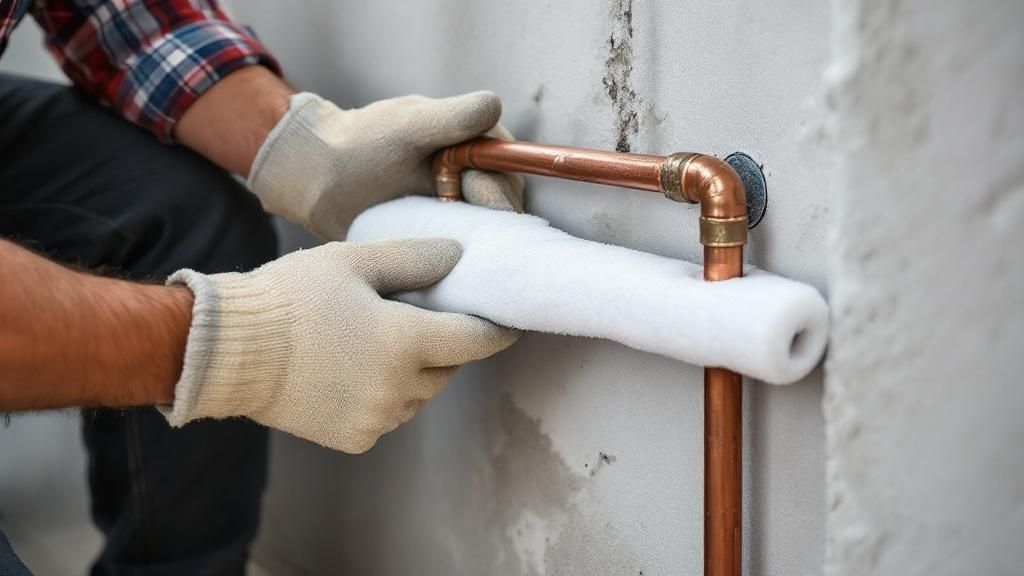
Insulating these pipes is one of the most effective moves you can make in your winterization plan. Think of it like putting a warm jacket on your plumbing. Materials like foam pipe sleeves or fiberglass wrap create a thermal barrier, helping to keep the water inside from ever reaching that freezing point. Just picture the pipes running along the cold concrete wall of your garage in Salinas—those are prime candidates for insulation.
Why Professional Insulation Matters
While sliding on a few pipe sleeves might seem like an easy DIY win, it’s an approach that can leave your home surprisingly vulnerable. It's incredibly easy to miss small gaps, choose the wrong thickness for the conditions, or fail to secure the insulation properly. These tiny mistakes can completely defeat the purpose, allowing just enough cold air to sneak in and freeze the pipe anyway.
A professional plumber knows exactly which pipes are most at risk and how to apply the right kind of insulation for total protection. We've seen countless cases where a quick weekend fix just didn't hold up. For a closer look at the specifics, you can check out our guide on how to properly insulate pipes.
As a family-owned business serving this area since 1988, we know that a professional installation isn't just about wrapping pipes—it's about creating a complete, gap-free seal that you can count on all winter long.
Beyond just wrapping the pipes, it's also smart to think about the overall temperature of these spaces by proactively identifying and sealing air leaks throughout your home. Stopping drafts at their source provides another powerful layer of defense against a freeze.
Special Care for Mobile Homes
The many mobile and manufactured homes in our service area, especially in communities like Castroville and Prunedale, need some extra attention. Their plumbing is often more exposed underneath the structure, making it extremely susceptible to freezing.
For these homes, standard insulation might not be enough. This is where professional-grade solutions become absolutely essential. For instance, because the plumbing is so exposed, applying heat tape to water lines before the first frost is often a critical step.
Heat tape is basically an electrical cable that warms the pipe directly, actively preventing it from freezing. However, incorrect installation is a serious fire hazard and a common mistake we see. This is absolutely a job for a licensed plumber who can ensure it’s installed safely and according to code. Protecting these unique plumbing systems is a key part of learning how to winterize a house plumbing system the right way.
Knowing When to Call a Professional Plumber
While insulating pipes and covering outside faucets are fantastic first steps, there are definitely times when a DIY approach just won’t cut it. Honestly, knowing the limits of a quick fix is the key to dodging a much bigger, more expensive disaster down the road.
Sometimes, calling in a professional is simply the smartest move you can make for your home. Certain situations just carry too much risk for guesswork, and a missed step can leave your home vulnerable when a real cold snap hits the Monterey Peninsula.
Scenarios That Demand an Expert
Some homes and plumbing setups have unique challenges that really need a plumber’s trained eye. If any of these sound familiar, it’s a clear signal to pick up the phone.
- Vacant or Vacation Homes: If you own a property in Carmel-by-the-Sea or Pacific Grove that will sit empty all winter, a professional winterization isn't just a good idea—it's essential. This goes way beyond just shutting off the main water valve. It means completely draining the entire system: every pipe, toilet, and even the water heater, to make sure not a single drop is left behind to freeze. This is a complex process that a licensed plumber should handle.
- Older or Historic Houses: Many of the gorgeous older homes around Monterey and Salinas have plumbing systems that are just as delicate as they are old. These pipes can be fragile, and a professional knows exactly how to handle them without causing damage. Plus, an expert can spot pre-existing issues common in vintage plumbing that an untrained eye would miss.
- Complex Plumbing Systems: If your home has an extensive irrigation system, a water softener, or well pumps, a professional shutdown is critical. Forgetting a single valve or line in a complex setup can lead to a catastrophic failure when temperatures plummet.
The Alvarez Plumbing Advantage
When you call a plumber from Alvarez Plumbing, you’re getting more than just a quick service call. We're a family-owned business, and since 1988, we've been providing comprehensive winterization that gives our neighbors true peace of mind. We go far beyond just wrapping a few pipes.
Our process is a complete system check-up designed to protect your entire home. We don’t just prepare your plumbing for the cold; we make sure it's in top shape.
A professional winterization service is about proactive protection, not just prevention. It’s an opportunity to have an expert inspect your entire system for hidden leaks, check your water heater’s health, and guarantee every component is secure before it becomes an emergency.
Our licensed team runs a full inspection, looking for existing leaks that could get much worse in the cold. We'll check your water heater for any signs of trouble and make sure the whole system is buttoned up tight. It's the assurance that comes from knowing the job was done right by a local team that understands the unique challenges of our coastal climate.
And if the worst does happen, our team is always ready to handle any emergency winter plumbing issues that come up.
Your Questions About Winterizing Plumbing Answered
We’ve been serving our neighbors on the Monterey Peninsula since 1988, and over those three decades, we’ve heard just about every question there is when it comes to getting plumbing ready for the cold. To help you out, we’ve put together some quick, straightforward answers to the most common questions we get.
At What Temperature Should I Worry About Pipes Freezing in Salinas?
The textbook answer is 32°F. That’s the freezing point of water, and it’s when the real danger begins. But here on the coast, it’s not always that simple.
A strong, cold wind whipping in from Monterey Bay can create a nasty wind chill effect. This means pipes in those exposed, uninsulated spots—think a garage in Marina or a crawlspace in Castroville—can be at serious risk even when the thermometer is sitting at 35°F. If the forecast calls for a cold snap, it’s time to start thinking about protection. A professional can quickly spot which parts of your home are most vulnerable to our specific weather patterns.
What Are the First Signs of a Frozen Pipe?
Usually, the first red flag is a sudden drop in water pressure. You’ll turn on a faucet in your kitchen or bathroom and only get a pathetic trickle or a few drips. That's a classic sign that an ice blockage is forming somewhere in the line.
In some cases, you might even see a visible layer of frost on an exposed pipe.
If you suspect a pipe is frozen, it’s crucial to call a licensed plumber right away. Whatever you do, never use an open flame like a blowtorch to try and thaw it yourself. This is incredibly dangerous. It can cause the pipe to burst from the rapid pressure change and creates a massive fire hazard.
For a deeper dive into prevention, check out our detailed guide on how to avoid frozen pipes in your home during winter.
Do I Need to Winterize if I Am Only Gone for a Week?
Heading out of your home in Seaside or Pacific Grove for a short trip? A full, professional system drain probably isn't necessary. That said, you should absolutely take a few key precautions to protect your property.
- Shut off the main water valve. This is the single most important thing you can do. It ensures that if a pipe does happen to burst, the disaster is contained instead of turning into a catastrophic flood while you're away.
- Keep the heat on. Set your thermostat to at least 55-60°F. This keeps enough ambient warmth circulating through the house to protect the pipes hidden inside your walls.
For any trip longer than a week or two, however, getting a professional winterization service is by far the safest bet.
When you need certainty that your home is protected, turn to the local experts who have been here for decades. Alvarez Plumbing provides professional winterization services that give you true peace of mind. https://alvarezplumbingsalinas.com