There's nothing worse than stepping into a shower on a chilly Salinas morning, only to get blasted with lukewarm water. It's a frustrating start to any day. If you're asking, "why is my shower water not hot enough?", the simple answer is that something in your plumbing system isn't working right. It could be a simple water heater setting, a buildup of minerals in the tank, or even a worn-out part right inside your shower faucet.
Why Your Shower Stays Lukewarm in Monterey County
As a family-owned plumbing company serving Monterey County since 1988, we've seen it all. A lukewarm shower is one of the most common calls we get, from homes in Marina to ranches out in Carmel Valley. While your water heater is the usual suspect, it’s not the only possibility. Knowing what could be wrong helps you figure out when it’s a quick fix and when you need to call in a pro.
The problem often feels worse during our colder, foggier months along the coast. The water coming into your home from the city supply is naturally colder. This forces your water heater to work much harder to get it up to temperature. If your system is already struggling with an issue, this extra demand can be the final straw that turns a hot shower into a tepid one.
Common Causes We See Locally
Here are a few of the most frequent issues we diagnose for homeowners from Seaside to Watsonville:
- Water Heater Issues: This is the big one. The thermostat might just be set too low. Or, it could be a more serious problem, like a failing heating element in an electric unit that's cutting its heating power in half.
- Sediment Buildup: The hard water we have in our region leaves mineral deposits inside your water heater tank. Over time, this creates a thick barrier that stops the burners or elements from heating the water well.
- Failing Shower Valve: Sometimes the problem has nothing to do with your water heater. The internal mixing valve in your faucet, which blends hot and cold water, can wear out and stop enough hot water from getting through.
Our Pro Tip: If the hot water in your bathroom sink is steaming hot but the shower right next to it is lukewarm, that’s a huge clue. It almost always means the issue is with the shower's mixing valve, not your water heater. This one simple check can save you a lot of guessing.
To help you narrow things down, we've put together a quick diagnostic table. Find the symptom that best matches your situation to see the most likely cause.
Diagnosing Your Lukewarm Shower Symptoms
This table helps homeowners in places like Monterey and Salinas identify potential issues based on the specific problems they are having with their shower water temperature.
| Symptom You're Experiencing | Most Common Cause | Recommended Next Step |
|---|---|---|
| All faucets in the house have lukewarm water. | Water heater thermostat is set too low. | Check your water heater's temperature setting. We recommend setting it to 120°F for safety and efficiency. |
| Hot water runs out very quickly in the shower. | Sediment buildup in the water heater tank. | Schedule a professional water heater flush to remove the mineral deposits and restore heating efficiency. |
| The shower is lukewarm, but the bathroom sink is hot. | A faulty shower mixing valve. | The valve likely needs to be repaired or replaced by a plumber. This is not a simple DIY job. |
| Water pressure in the shower is also low. | Clogged showerhead or a failing mixing valve. | Try cleaning the showerhead first. If that doesn't solve it, the mixing valve is the next likely culprit. |
| No hot water at all, anywhere in the house. | Pilot light is out (gas) or a tripped breaker (electric). | Briefly check the pilot light or your circuit breaker panel. If you're not comfortable with this, call a professional plumber right away. |
Remember, this table is just a guide. Plumbing systems can be complex, and what seems like a simple issue can sometimes point to a bigger problem.
Is Your Water Heater the Source of the Problem?
When a hot shower turns lukewarm, the first place we plumbers look is almost always the water heater. It’s the workhorse of your home's plumbing system, especially on those chilly, foggy mornings we get here around Monterey Bay. Most of the time, it's the main reason for your disappointing shower.
Your water heater is always on the job, and over time, parts wear out or settings get accidentally changed. Let's walk through the most common culprits.
Common Water Heater Culprits
When a customer calls us from Salinas or Marina about not having enough hot water, we usually find one of a few common issues.
- Incorrect Thermostat Setting: Sometimes, the fix is refreshingly simple. The thermostat dial on your unit might have been bumped by accident. For a good balance of safety and comfort, we recommend a setting of 120°F.
- A Failed Heating Element: Electric water heaters have two heating elements, an upper and a lower one. If one of these burns out, your heater's capacity is essentially cut in half. The result? Water that gets warm, but never truly hot.
- Pilot Light or Gas Supply Issues: If you have a gas model, a pilot light that’s gone out is a frequent offender. It could also be a faulty thermocouple, which is a safety device that shuts off the gas if the flame goes out.
One of the biggest issues we see, however, is sediment buildup inside the tank. This infographic shows exactly how it stops your water heater from doing its job.
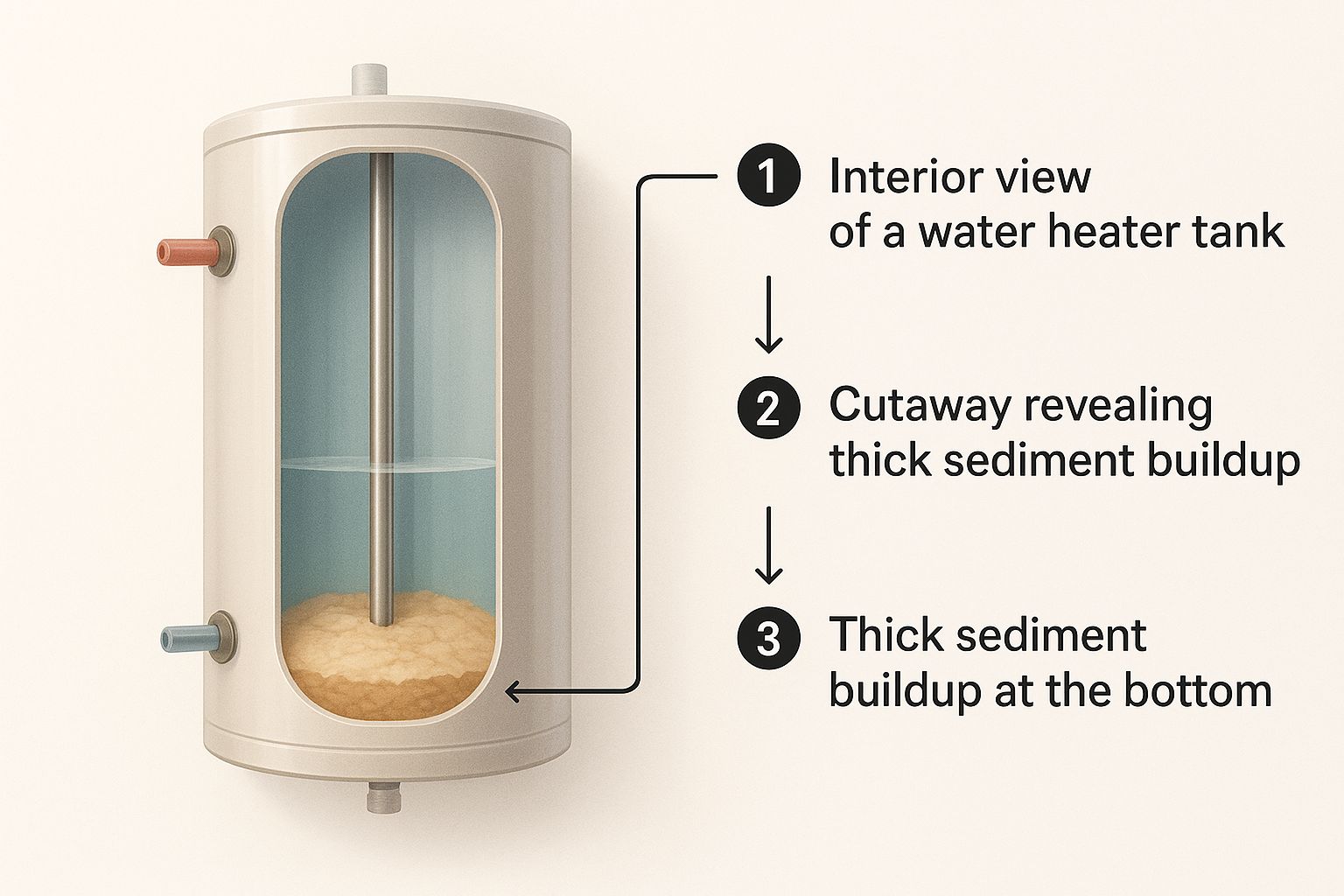
As you can see, that layer of mineral deposits creates a barrier between the heating mechanism and the water. This forces the unit to work much harder just to heat the water, robbing you of hot water and wasting energy. This isn't just a local problem; residential water heating accounts for about 18% of a home's energy use, and that inefficiency gets worse as a unit ages.
While checking a thermostat is a simple task for a homeowner, we strongly advise against DIY repairs on any gas or electrical parts. A mistake with a gas line is very dangerous, and high-voltage electrical work has its own serious risks. It’s always best to call a licensed plumber.
Keep in mind, sometimes these smaller issues can hint at a much bigger problem. If you see any moisture around the base of your unit, it’s critical to know what to do when your water heater is leaking from the bottom, as this could be a sign of a serious tank failure.
How Sediment Buildup Robs Your Hot Water
The water here on the Central Coast is great for our world-famous agriculture, but it’s hard on our plumbing. This "hard water" is packed with minerals like calcium and magnesium. Over time, these minerals settle at the bottom of your water heater, creating a thick, sludgy layer of sediment.
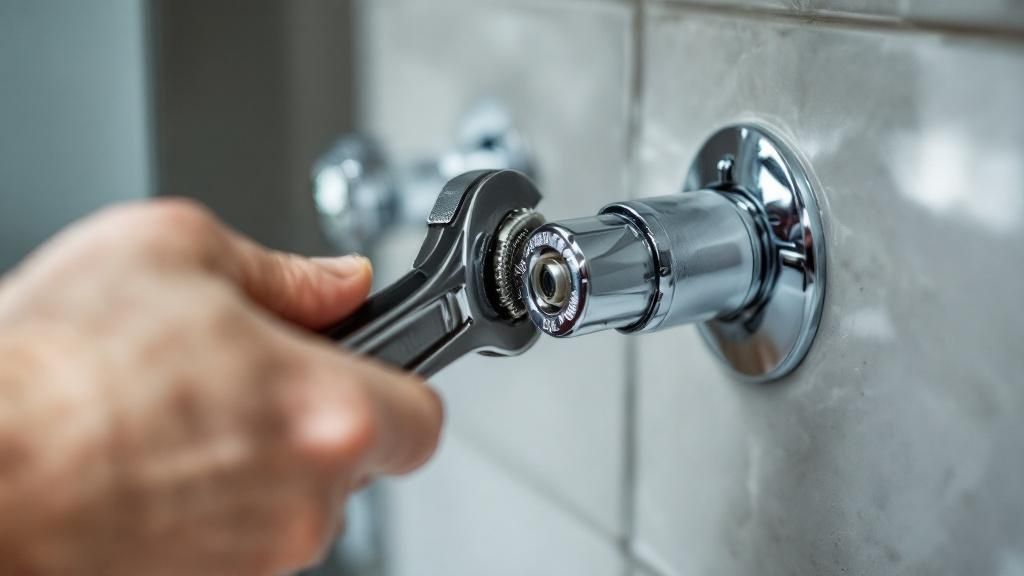
This buildup is one of the biggest culprits behind a lukewarm shower. Think of that sediment layer as a blanket wrapped around your heater’s heating element. It creates a barrier, forcing your heater to work overtime just to heat the sludge before it can even begin to heat your water.
Signs of a Sediment Problem
So, how can you tell if you have a sediment problem? There are a few tell-tale signs we see all the time.
- Rumbling or Popping Sounds: We get calls from customers in Watsonville and Seaside about strange noises coming from their water heater. That rumbling is the sound of water getting trapped under the sediment, boiling, and trying to escape.
- Hot Water Runs Out Fast: If your once-long, hot showers are getting cut short, sediment is the likely suspect. The buildup takes up space in the tank, reducing its capacity and leaving you with less hot water.
- Reduced Water Pressure: In really bad cases, chunks of sediment can break free and start clogging your pipes. This can lead to other issues, including weak water flow. You can learn more about the various causes of low water pressure in your home right here on our blog.
What We Recommend: The absolute best fix is a professional water heater flush. This process involves draining the tank to clear out all those mineral deposits. It sounds simple, but we always advise having a licensed plumber handle this job for safety.
An improper flush can lead to leaks, a damaged drain valve, or even scalding injuries from the hot water. Since 1988, our family at Alvarez Plumbing has been helping local homeowners safely maintain their water heaters, making sure they run efficiently for years to come.
When the Problem Is in Your Shower Faucet
If you've checked your water heater and everything looks good, the real culprit might be hiding right behind your shower handle. We get this call all the time from folks in places like Carmel-by-the-Sea: steaming hot water at the sink, but a lukewarm shower just a few feet away. That’s a classic sign the problem isn’t your water supply—it’s the shower faucet itself.
Inside every modern shower faucet is a key part called a mixing valve or a pressure-balancing cartridge. It acts like a tiny traffic cop for your water, blending the hot and cold streams to give you a safe, comfortable temperature.
Why Faucet Valves Fail
Over the years, the hard water we have here in the Monterey Bay area can cause mineral deposits to build up inside this cartridge. The small rubber and plastic pieces can also just get old and brittle from constant use. When that happens, the valve gets stuck or clogged, stopping it from letting enough hot water through.
A Pro's Perspective: Changing a shower cartridge might seem like a quick DIY fix, but it often needs special tools to get the old, stuck part out without damaging the pipes inside your wall. One wrong move can turn a small repair into a major plumbing project, which is why we always tell homeowners to call a licensed plumber for this job.
Sometimes, the issue isn't a broken part but a simple setting. For safety, many people keep their water heaters turned down. In fact, over 30% of U.S. water heaters are set below the recommended 120°F. This can make any mixing valve issue much more obvious, especially in the winter when our tap water starts out colder. You can see more about how water temperatures change in this report on ocean and water temperature trends. A good mixing valve is essential to get the most out of every drop of hot water you have.
A failing valve can also affect your water flow. If you're also dealing with a weak stream, take a look at our guide on how to increase water pressure in your shower for some extra tips.
How Monterey Bay's Climate Puts Your Water Heater to the Test
Living in beautiful spots like Carmel-by-the-Sea or Pacific Grove, we get to enjoy a pretty mild climate. But don't let that fool you—our local seasons have a bigger impact on your home's plumbing than you might think.
When winter rolls in and those cooler coastal temperatures arrive, the ground gets colder. That chill transfers directly to the city water mains running underground. This means the water entering your home is much colder than it is during the summer.
Your water heater now has a much tougher job. It has to work overtime to bring that frigid water—sometimes as low as 50°F—all the way up to a comfortable 120°F. If your unit is already dealing with age or sediment buildup, this extra strain can be the breaking point that leaves you with a lukewarm shower.
The Challenge of Colder Inlet Water
This isn’t just a quirky local thing; it's a well-known plumbing reality. In colder months, inlet water temperatures can drop by as much as 40-50% compared to summer. This dramatically increases the energy your heater needs to do its job. For a deeper dive, you can see how climate variations affect water systems on carbonbrief.org.
It’s exactly why you're more likely to notice your shower water not hot enough during the winter, whether you're in Castroville or right here in Salinas.
A well-maintained water heater can handle these temperature swings easily. Regular service keeps your unit running at its best, so it’s ready to tackle even the chilliest Monterey Bay mornings and still deliver that hot shower you're counting on.
The single best way to avoid these seasonal issues is to stick to a proper water heater maintenance schedule.
Frequently Asked Plumbing Questions
We get a lot of the same questions from homeowners around Salinas and Monterey County when their shower water goes lukewarm. Having served this community since 1988, trust me, we've heard them all! Here are a few of the most common ones we tackle.
Why Is Only My Shower Water Not Hot Enough?
This is a classic. When just one faucet is giving you trouble, it almost always points to an issue with that specific faucet, not your water heater. Most of the time, the culprit is the shower's mixing valve.
Inside your shower handle is a cartridge that balances the hot and cold water. Over time, these cartridges wear out and can't let enough hot water through. An Alvarez Plumbing pro can spot this right away and replace the part, getting your hot showers back to normal.
Here in Monterey County, our hard water can really speed up this process. Mineral buildup is known for causing these valves to fail. It can also lead to blockages, so if you're noticing weaker flow, it's a good idea to learn how to check the water pressure in your home.
Can I Just Turn Up My Water Heater Temperature?
While you technically can, we strongly advise against setting your water heater thermostat above 120°F. It creates a serious scalding risk, which is especially dangerous for kids and elderly family members.
Cranking up the temperature is usually just a temporary fix for a bigger problem, like sediment in the tank. It won't fix the real cause, and it will make your energy bills jump. It’s always smarter (and safer) to have a professional find and fix what's really going on.
Your water heater already works hard, especially on those chilly Prunedale mornings when the incoming water is extra cold. Forcing it to an even higher temperature just puts unnecessary strain on the whole unit.
Do I Need a Water Heater Repair or Replacement?
This really comes down to the age of your unit and what's wrong with it. Most tank-style water heaters have a lifespan of about 8-12 years.
If your water heater is fairly new, a simple repair like replacing a heating element is often all it takes. But if your tank is getting old, showing signs of rust, or needs constant attention, replacing it is almost always the more cost-effective choice in the long run. Our plumbers will always give you an honest assessment to help you make the best decision.
If you're tired of guessing why your shower water isn't hot enough, it's time to call in the professionals. The Alvarez Plumbing team has been keeping showers hot across Monterey County since 1988. Give us a call for a reliable diagnosis and a fast, effective fix. https://alvarezplumbingsalinas.com