That grinding, shuddering halt from your kitchen sink isn’t just an irritation—it’s a clear signal that you need a garbage disposal repair. For homeowners anywhere from Salinas to Carmel-by-the-Sea, a dead disposal can throw your whole kitchen routine into chaos. And as a family-owned business serving this community since 1988, we know what seems like a small issue can turn into a much bigger, messier problem if you ignore it.
Common Garbage Disposal Problems in Monterey County Homes
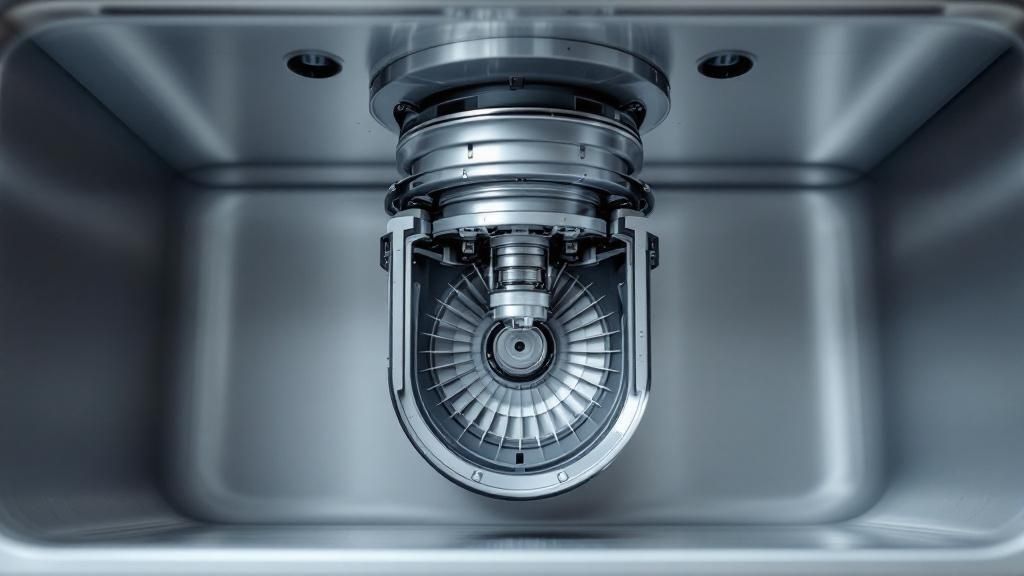
Here in Monterey County, we tend to see the same kinds of disposal issues trip up homeowners time and again. It might be a sudden, violent grinding noise in a Prunedale kitchen or a unit in Seaside that just won't turn on. These problems are frustratingly common, and as a family-owned business serving this community since 1988, we've truly seen it all.
The most frequent call we get is about a low humming sound. This is a classic sign: the motor has power, but something is physically stopping the blades from spinning. Nine times out of ten, it’s a jam caused by something that never should have gone down the drain in the first place.
What Causes Most Garbage Disposal Jams?
Most jams are simply a case of feeding the disposal the wrong kind of food waste. These machines are tough, but they aren’t invincible. Given the agricultural bounty of our region—from Castroville artichokes to Salinas Valley celery—it’s easy to stress them with the wrong scraps.
Here are the repeat offenders we pull out of clogged disposals in local homes:
- Fibrous Vegetables: Things like celery stalks, artichoke leaves, and corn husks have stringy fibers that don't grind. Instead, they wrap around the blades and jam the motor solid.
- Starchy Foods: Potato peels, pasta, and rice are notorious clog-makers. They expand with water and form a thick, pasty sludge that can choke the whole system.
- Grease, Oil, and Fat: Pouring these liquids down the drain is a recipe for disaster, especially during our cooler, rainy winter months when they solidify faster. They build up inside your pipes, creating stubborn blockages that cause smelly water to back up into your sink.
- Hard Materials: Bones, avocado pits, and coffee grounds don't break down. They just get tossed around by the blades, creating that awful racket while dulling the components.
A Neighborly Tip: The best way to keep your disposal running smoothly is to stop treating it like a second trash can. Being mindful of what goes down the drain is the #1 way to avoid an emergency call.
A disposal that won't turn on at all—no sound, no hum, nothing—is another frequent issue. You can try a quick DIY check by looking for a tripped circuit breaker or pushing the little red reset button on the bottom of the unit. But if that doesn't work, the problem is likely an internal electrical fault or a burned-out motor. Remember, when you're dealing with electricity, sharp blades, and plumbing, calling a licensed plumber is always the safest bet.
Quick Guide to Disposal Symptoms and Solutions
We've put together this quick-reference table to help you decode what your garbage disposal is trying to tell you. While some issues seem minor, they often point to underlying problems that are best handled by an experienced plumber to prevent bigger headaches down the road.
| What You're Seeing or Hearing | What It Likely Means | Why to Call a Professional |
|---|---|---|
| Loud, unusual grinding noises | A foreign object (like a fork, bone, or pit) is inside, or the grinding components are damaged. | An expert can safely retrieve the object and inspect the blades and flywheel for damage that could lead to failure. |
| A low hum, but no spinning | The motor has power, but the blades are jammed. This is the most common issue. | We have specialized tools to safely clear the jam without damaging the unit or risking injury to your hands. |
| The disposal won't turn on (no sound) | The unit has no power. This could be a simple reset, a tripped breaker, or a burned-out motor. | After you check the reset button and breaker, a plumber is needed to safely diagnose electrical faults or motor failure. |
| Water leaking from the unit | The seals have failed, or there's a crack in the housing or a loose connection. | Leaks can cause significant water damage and mold. A pro can pinpoint the source and replace seals or the entire unit correctly. |
| Water draining very slowly | There's a clog in the disposal itself or further down the drain line. | We can determine if the clog is in the unit or the plumbing and use professional-grade tools to clear it completely. |
| Foul odors that won't go away | Food particles are trapped and rotting inside the unit or the drain pipes. | Professional cleaning and inspection can remove the source of the odor and check for underlying issues causing the buildup. |
Ultimately, a malfunctioning garbage disposal is more than just an inconvenience; it can be a sign of a more significant plumbing problem. A professional diagnosis from a team that has served the Monterey Bay area for over 35 years ensures the issue is fixed correctly and safely, protecting your home.
Signs You Need a Professional Plumber Now
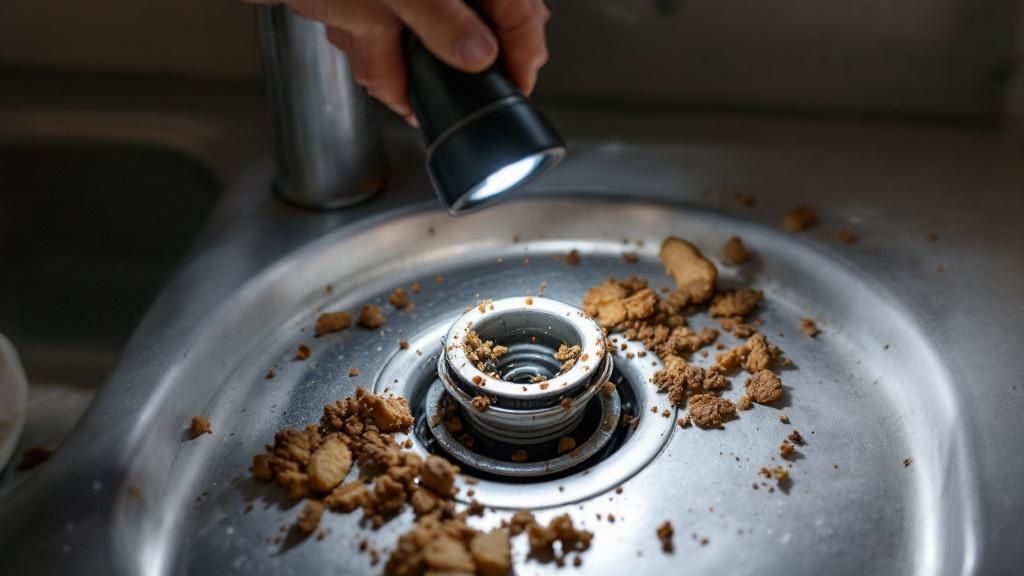
While hitting the reset button is a fine first step, some garbage disposal problems are clear signals to put the tools down and pick up the phone. As a family-owned company serving Monterey County since 1988, we’ve seen it all, and we know which symptoms are red flags that demand an expert’s touch. Trying to muscle through these issues yourself can easily lead to personal injury or a much more expensive headache.
The most telling sign? You flip the switch and hear a constant, low hum, but the blades aren’t moving at all. This often means the motor is seized. If you keep trying to run it, you risk overheating the motor and burning it out completely. That turns a potential repair into a mandatory replacement.
Another serious warning is a disposal that repeatedly trips your circuit breaker. This points to a significant electrical fault inside the unit itself. It’s more than an inconvenience—it’s a genuine safety hazard that requires a licensed plumber to diagnose and fix safely.
When Leaks Signal a Larger Problem
Seeing water pooling under your sink in your Marina or Seaside home is one of the most destructive red flags you can get. This isn't just a nuisance drip; it’s a critical sign that the unit's internal seals have failed.
Ignoring this can lead to a cascade of expensive problems:
- Severe Water Damage: Persistent moisture will rot your kitchen cabinets from the inside out.
- Mold Growth: That damp, dark space under a sink is the perfect breeding ground for unhealthy mold.
- Structural Issues: Over time, even the subfloor beneath the cabinet can become compromised.
A professional garbage disposal repair is the only way to correctly replace the seals or, if needed, the entire unit to prevent this kind of costly secondary damage. When you're deciding whether to call for help, it’s useful to understand the high standards of the specialized plumbing and HVAC industries.
A Critical Safety Takeaway: Any time you're dealing with a mix of electricity and water, the risk of a DIY attempt just isn't worth it. A professional ensures the repair is done to local codes, protecting both your home and your family.
Ultimately, these signs point to problems that go way beyond a simple clog. They involve the core mechanical or electrical components of the appliance. Calling a professional plumber isn’t admitting defeat; it’s a smart investment in your safety, your home's integrity, and the long-term health of your kitchen.
The Hidden Dangers of DIY Disposal Fixes

As you can see, every repair follows a logical path from safety checks to final testing—a process best left to the pros.
Sometimes, a repair is the most cost-effective choice. Other times, especially with an older unit or severe motor damage, replacement just makes more sense financially in the long run. We’ll give you a clear, upfront breakdown of the costs for both paths so you can choose what works for your budget. Our goal isn't just to fix the problem today; it's to provide a lasting solution.
For more tips on keeping your unit running smoothly after a repair, check out our guide on how to prolong the life of your garbage disposal.
Our Commitment to Quality: We only use high-quality, durable parts for every garbage disposal repair. Plus, we ensure all work fully complies with the specific plumbing codes across Monterey County, giving you peace of mind that the job is done right.
Deciding Between Repair and Replacement
So, should you fix your current garbage disposal or just get a new one? It’s a question we get all the time from homeowners here in Salinas and across Monterey County. Making the right call can save you money and frustration, so it’s worth thinking through.
As a family-owned business serving this community since 1988, we've helped countless people with this exact dilemma. Honestly, the answer usually boils down to three things: how old the unit is, what the repair will cost, and the specific problem you're facing. If you have a newer disposal that’s just jammed, a quick garbage disposal repair makes perfect sense. But if the motor dies on a ten-year-old unit, it's probably time for an upgrade.
Key Factors in Your Decision
To make a smart choice, let's walk through the three most important things to consider. Thinking about these points will give you a much clearer idea of the best move for your kitchen and your wallet.
- The Age of the Unit: Most garbage disposals you'll find in homes have a lifespan of about 8 to 12 years. If your unit is getting up there in age, sinking money into a repair might just be throwing good money after bad.
- The Cost of the Repair: Here’s a solid rule of thumb we call the 50% rule. If a repair is going to cost more than half the price of a new, similar model (including installation), replacement is almost always the smarter financial move. We can help you crunch those numbers. For more tips on managing plumbing costs, check out our guide on how to save on plumbing repairs.
- The Type of Problem: Simple issues like a jam or a clog are usually affordable to fix. But major failures—like a burned-out motor, bad leaks coming from the body of the disposal itself, or ongoing electrical problems—are often signs that the appliance has reached the end of the line.
Expert Insight: I always tell people to think of it like an old car. You wouldn't put a brand-new engine in a car with 200,000 miles and a rusty frame, right? It’s the same idea. Pouring a lot of cash into an old, failing disposal just isn't a wise investment.
The Benefits of Upgrading
Don't forget to think about what a new disposal brings to the table. Modern units aren't just the same old thing. Technology has come a long way, and today's disposals are often much quieter and more powerful than models from a decade ago. A new unit isn't just a replacement—it's a real upgrade for your kitchen.
Answering Your Garbage Disposal Repair Questions
We get a lot of great questions from our neighbors in Salinas, Monterey, and Seaside. Since starting our family-owned business back in 1988, we've heard just about every question you can imagine about these hardworking kitchen appliances. We've put together answers to the most common ones to help clear things up.
How Long Should a Garbage Disposal Last?
This is a fantastic question and probably the one we hear most often from folks in Watsonville and Pacific Grove. A well-maintained, quality garbage disposal should give you about 8 to 12 years of service.
Of course, this lifespan really depends on what you ask of it. A disposal in a busy family kitchen grinding tough scraps every day might not make it as long as one in a home where it’s used sparingly. If your unit is pushing past the decade mark and starting to act up, it’s probably wise to start thinking about a replacement instead of sinking money into expensive repairs.
Is It Cheaper to Repair or Replace My Disposal?
The answer usually comes down to the "50% rule" we share with our customers. If the cost of the garbage disposal repair is more than half the price of a new, comparable unit (including installation), replacement is almost always the smarter financial move.
A simple fix, like clearing a jam, is typically just a small service call. But if you're dealing with a burned-out motor or a major leak, that cost can quickly tip the scales in favor of a fresh start with a new disposal. We always provide a clear, upfront quote for both options so you can make an informed choice without any pressure.
Why Is My Garbage Disposal Just Humming?
That low hum without any grinding is the classic sign of a jammed flywheel. It means the motor has power and is trying to spin, but something is physically blocking the blades. The culprit is often fibrous food scraps like celery stalks or a foreign object like a stray bottle cap or utensil.
Important Note: Whatever you do, don't keep flipping the switch if it’s just humming. You can easily cause the motor to overheat and burn out, turning a simple jam into a much more serious problem that requires a full replacement. Turn it off immediately and give us a call.
Can I Use Chemical Drain Cleaners on a Clogged Disposal?
Please don't! We strongly advise against pouring harsh chemical drain cleaners into your garbage disposal or any drain, for that matter. These chemicals are incredibly corrosive. They can eat away at the rubber seals and metal components inside the unit, leading to leaks and causing it to fail much sooner than it should.
Worse, they can also damage your home's plumbing pipes. If you're dealing with funky odors or buildup, there are much safer and more effective ways to handle it. A mix of ice cubes, a little dish soap, and citrus peels can clean and deodorize the chamber safely.
What Horsepower Do I Really Need?
The power you need really depends on your household's daily use. For small households or very light use, a ⅓ or ½ HP motor can be sufficient.
However, for most families here in the Monterey Bay area, we recommend a ¾ to 1 HP unit. These more powerful models have the extra torque to grind tougher food waste, which means they are far less likely to jam and generally last longer. It’s a bit more of an investment upfront, but it pays off in reliability and longevity.