While we don't get buried in blizzards here on the Central Coast, those sudden overnight temperature drops are more than enough to freeze and burst unprotected pipes. As a local, family-owned plumbing company serving this area since 1988, we've seen it happen time and time again in homes from Salinas to Carmel.
Properly winterizing your plumbing isn't complicated, but it is crucial. It’s about being aware of the problems that can arise from our unique coastal climate—like the risks to outdoor faucets and pipes in unheated crawl spaces—and understanding why a professional inspection is your best defense. Honestly, this proactive step is your best defense against thousands of dollars in water damage.
Why Winterizing Plumbing Is Critical for Monterey County Homes
Here in Monterey County, our version of "winter" can be deceptive. Whether you're in the agricultural fields of Salinas and Castroville or on the coastal bluffs of Carmel-by-the-Sea, a beautiful sunny afternoon can quickly turn into a frosty night. That sudden shift is precisely when unprepared plumbing is most vulnerable.
All it takes is a single night of freezing temperatures for water trapped in an outdoor spigot or an uninsulated pipe in a crawl space to expand, freeze, and rupture. This isn't just about a minor drip, either. A burst pipe can unleash gallons of water every minute, leading to devastating damage to your home's foundation, drywall, flooring, and personal belongings. As a family-owned business serving this community since 1988, we at Alvarez Plumbing have seen the aftermath firsthand. What starts as a simple oversight can quickly escalate into a homeowner's worst nightmare.
The Real Cost of a Frozen Pipe
The financial fallout from a burst pipe often shocks homeowners. Beyond the immediate plumbing repair, you're looking at costs for water extraction, structural repairs, and even mold remediation if the moisture isn't dealt with fast.
Ignoring winterization isn't saving you a few bucks; it's taking a huge gamble with your property.
Think about this: statistics show that frozen pipes are a leading cause of property damage during winter. The average repair cost can soar to between $5,000 and $7,000 per incident. On top of that, about 25% of all winter insurance claims are directly related to water damage from burst pipes. This highlights just how common and incredibly costly this preventable problem is.
Local Vulnerabilities Across Our Communities
Different homes across our service area face their own unique risks. We've seen older homes in Pacific Grove with original plumbing in drafty, exposed crawlspaces, while newer builds in Prunedale might have intricate irrigation systems that are highly susceptible to freeze damage if not properly blown out.
Our 35+ years of experience working right here in your neighborhoods has shown us where the biggest problems pop up.
Winter Plumbing Risks in Our Local Communities
| Location | Common Plumbing Vulnerability | Recommended Professional Action |
|---|---|---|
| Salinas | Uninsulated pipes in garages and older crawl spaces | Inspect and add professional-grade foam pipe insulation; seal drafts. |
| Carmel-by-the-Sea | Complex irrigation and sprinkler systems for landscapes | Schedule a professional "blow out" service before the first frost. |
| Monterey | Older homes with original, exposed exterior plumbing | Install frost-proof hose bibbs and ensure diligent hose disconnection. |
| Seaside | Outdoor faucets and hose bibbs left connected | Disconnect all garden hoses and have a pro install insulated spigot covers. |
As you can see, the threat is real, but the solutions are straightforward when you hire a professional who knows what to look for. These are just a few examples of the common issues we encounter:
- Exposed Outdoor Faucets: This is a universal problem in Watsonville, Seaside, and Marina homes. Forgetting to disconnect a garden hose is the number one cause of a pipe breaking inside the wall.
- Uninsulated Pipes: Garages and crawl spaces are notorious weak points, especially in areas that experience those sharp overnight temperature drops from the Salinas Valley to the coast.
- Complex Irrigation Systems: The gorgeous landscapes in Carmel Valley often rely on sprinkler systems that absolutely require a professional "blow out" to prevent widespread, expensive damage.
Understanding these specific threats is the first step toward protecting your home. To get a clearer picture of what your property might be facing, take a look at our detailed guide on common winter plumbing problems. A small investment in professional winterization provides invaluable peace of mind when the temperatures start to fall.
Securing Your Home's Exterior from a Coastal Freeze
Your first line of defense against a coastal freeze starts right outside your door. When temperatures drop, your garden hoses, outdoor spigots (also known as hose bibbs), and irrigation systems are the most exposed parts of your plumbing. This is a common issue we see in homes all across our service area, from Seaside to Watsonville.
It's absolutely critical to disconnect and completely drain every single garden hose before the first frost advisory hits. While this seems like a simple DIY task, we often see it done incorrectly. Many homeowners think just turning off the spigot is enough, but that’s a dangerous misconception. Water left inside an attached hose can freeze, and that ice can actually travel back into the supply line, cracking the pipe hidden right inside your wall. A professional ensures not just the hose is disconnected, but that the line itself is secure.
Beyond the Garden Hose
Securing your exterior plumbing involves more than just unhooking a hose. A brief summary of the process involves closing an indoor shut-off valve, then opening the outdoor spigot to drain any remaining water. However, locating these valves in older homes or ensuring the line is completely empty can be tricky. Our plumbers at Alvarez Plumbing have been doing this for Salinas and Monterey County homes since 1988, and it's a critical step that prevents a surprising amount of damage.
A professional plumber won't just turn a valve; they'll confirm the entire line is empty. This small detail is the difference between a secure pipe and a costly emergency call for a burst pipe inside your wall. For total peace of mind, we always recommend calling a licensed plumber.
Protecting Complex Irrigation Systems
Those beautiful landscapes we see in communities like Carmel Valley and Prunedale often rely on complex irrigation systems. Unfortunately, these systems are especially vulnerable to freeze damage because they have extensive networks of pipes and sprinkler heads just below the surface.
For these, a professional "blow out" using an air compressor is the only safe and effective way to winterize them. This process uses compressed air to force every last drop of water out of the lines. Attempting this without the right equipment or experience can easily result in too much pressure, which will damage the very pipes you're trying to protect.
This diagram shows the basic professional process for draining a sprinkler system.
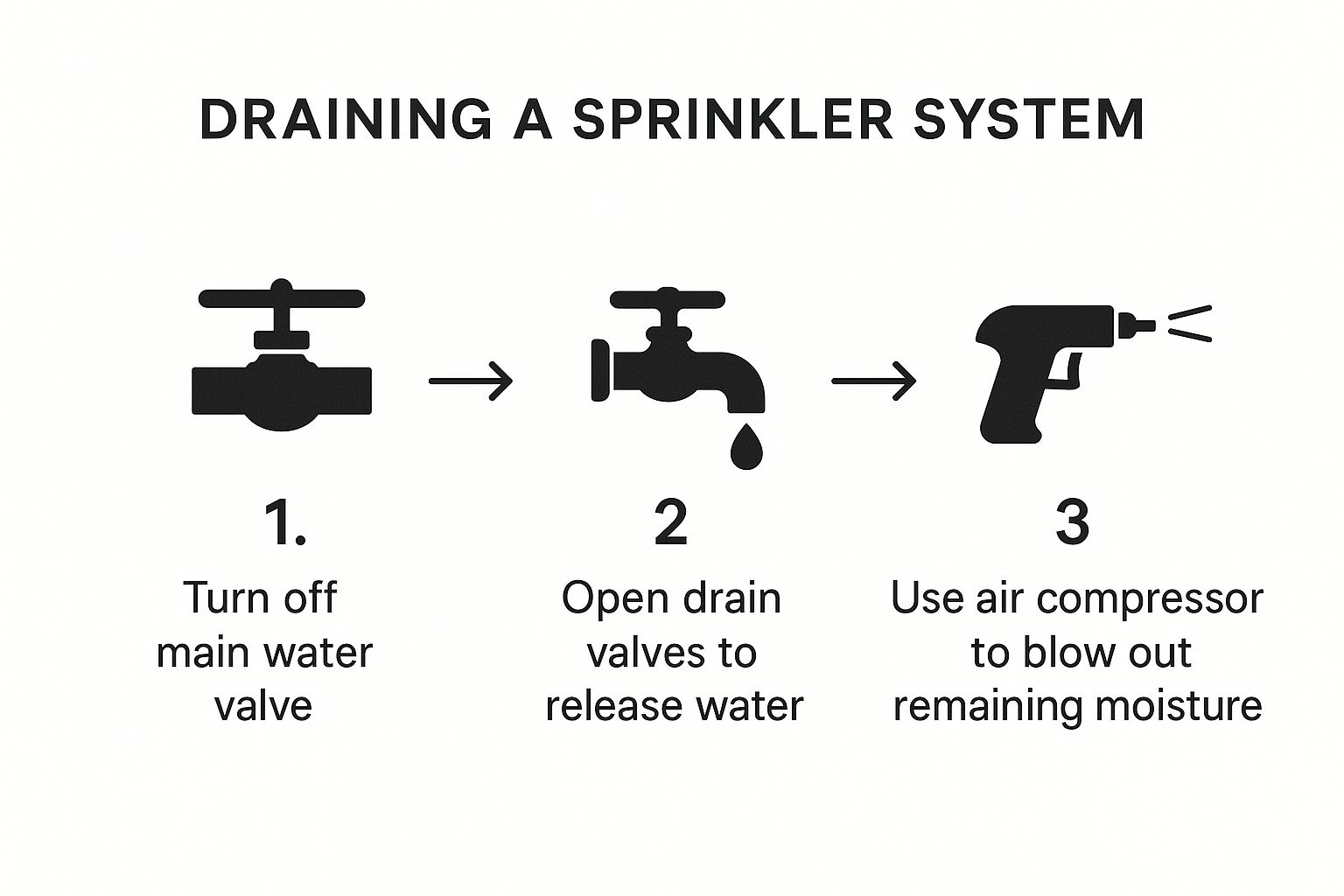
As you can see, winterizing an irrigation system is a precise, multi-step job that requires specific tools and knowledge to do it right. Because of the risk and complexity involved, this is one task that should always be left to a licensed plumber who understands how to winterize plumbing correctly.
Properly Insulating Pipes for Our Unique Climate
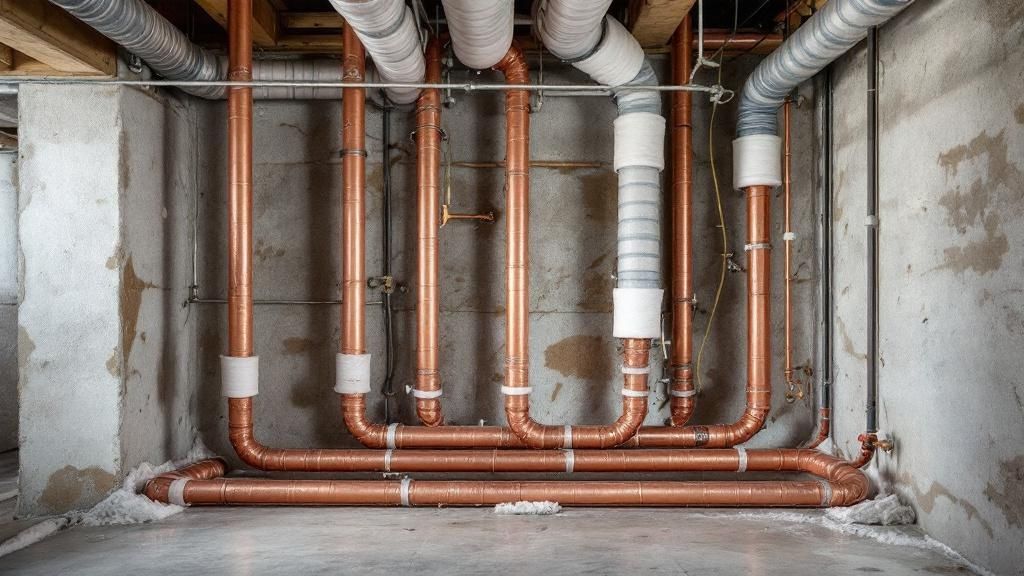
Let's talk about a hidden danger that catches so many homeowners off guard when a cold snap hits. I’m thinking about those drafty crawl spaces under the charming, older homes in Pacific Grove or the unheated garages you see all over Marina. Any uninsulated pipe in these areas is a prime target for freezing solid the moment temperatures dip.
It’s easy to think a quick trip to the hardware store for some foam sleeves will solve the problem. But effective insulation is about much more than just covering a pipe. It's about a professional identifying all the vulnerable spots and using the correct materials.
Choosing the Right Protection
The kind of insulation needed depends on the pipe's location and what it's up against. A hot water line has completely different needs than a cold water supply pipe tucked away in an unconditioned space. This is where a professional eye makes all the difference.
An experienced plumber knows exactly which material is best for each specific situation:
- Foam Sleeves: Great for straight, easy-to-reach pipes in areas with moderate risk of freezing.
- Fiberglass Wrap: Often used for pipes near heat sources or that are snaked into tighter spots.
- Rubber Insulation: A more durable choice for pipes that might be exposed to moisture or condensation.
We've seen countless DIY jobs where tiny gaps were left exposed or the wrong material was used, which can trap moisture against the pipe and lead to corrosion. These small mistakes completely defeat the purpose of insulation. To do it right, you have to find all the heat loss areas; experts sometimes conduct thermal bridge assessments to pinpoint these structural weak spots.
The goal of insulation isn't just to cover a pipe—it's to create an unbroken thermal barrier. A professional plumber ensures there are no gaps, that tight corners are properly wrapped, and that the material is secured correctly to prevent both moisture buildup and heat loss.
A quick, expert inspection is the smartest way to identify these hidden risks before a cold front rolls in from the Monterey Bay. It’s a small, proactive step that provides robust protection. For more great ideas on protecting your system, check out our plumbing tips for freezing weather, which cover additional strategies. A licensed plumber from Alvarez Plumbing can give you an accurate assessment and make sure your pipes are truly ready to handle whatever winter throws at them.
Advanced Winterization for Vacation and Commercial Properties
When you're not living in a property full-time, protecting it from a winter freeze takes on a whole new level of importance. For the beautiful vacation homes scattered around Carmel-by-the-Sea or rental properties sitting empty during the off-season in Pacific Grove, winterizing goes way beyond the usual homeowner checklist.
Trust us, just shutting off the main water valve isn't nearly enough.
When a building sits vacant, any water left behind in the pipes, toilets, or water heater is just waiting to cause trouble. It becomes a huge liability. That’s why we always recommend a complete system drain—a professional service that gets every last drop of water out of the supply lines and fixtures. This is the single most critical step to prevent a pipe from freezing and causing catastrophic damage while you're away.
Special Care for Unoccupied Homes
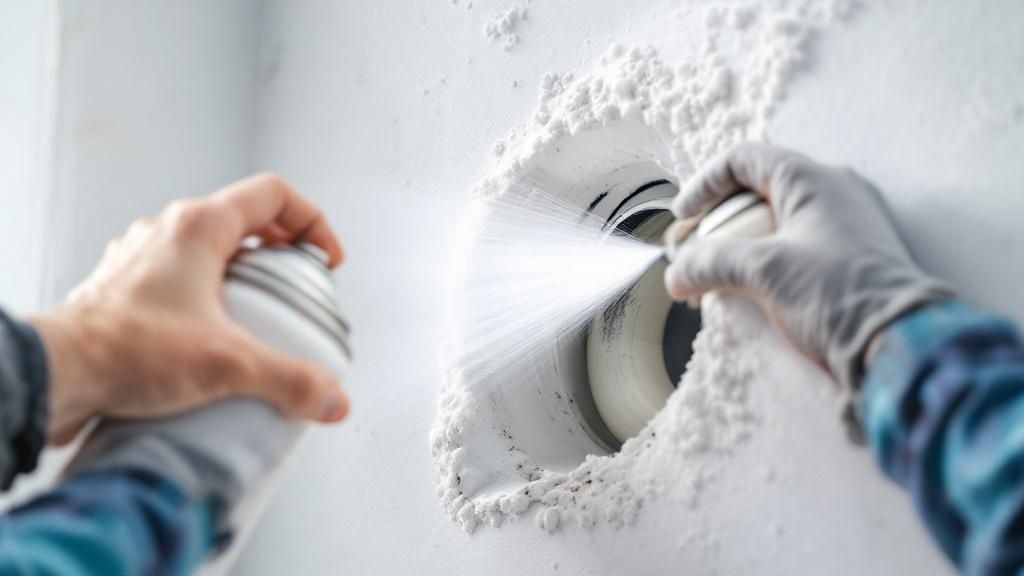
In some cases, especially for a home in Carmel Valley that will be vacant for a long stretch, we go a step further and suggest a specialized, non-toxic plumbing antifreeze. And no, this is absolutely not the same stuff you pour into your car's radiator.
This is a job that absolutely requires professional application. After the system has been completely drained, this plumbing-safe antifreeze is carefully introduced into toilet bowls and the P-traps under every sink, adding a robust layer of protection against a deep freeze. Using the wrong product or applying it incorrectly can cause serious problems, and it has to be flushed out properly before you turn the water back on in the spring.
A professional system drain isn't just about emptying pipes; it's a comprehensive process. It includes draining the water heater tank, clearing all supply lines, and treating fixtures to ensure your property is truly secure while you're away.
Protecting Commercial and Business Properties
Things get even more complicated when we're talking about commercial properties in Salinas and the surrounding areas. Here, winterization isn't just about preventing damage—it's about staying compliant with municipal codes and making sure your business can get back up and running without a hitch.
A commercial building has complex systems that you just don't find in a typical home. These require special attention:
- Fire Sprinkler Systems: These massive, water-filled networks are incredibly vulnerable to freezing. A failure here doesn't just mean water damage; it compromises the building's fire safety.
- Backflow Preventers: These devices are legally required to protect the public water supply. If they freeze and crack, you're looking at expensive repairs and potential code violations.
- Large-Scale Water Heaters: Commercial-grade water heaters have their own specific draining procedures to follow to avoid damaging the tank.
For any business owner or property manager, understanding the scope of specialized commercial services is key to preventing a costly disaster. This isn't the time for guesswork. For a deeper dive into protecting your property, our guide on how to prepare your plumbing for winter has even more useful tips.
Your Professional Winterization Checklist
Instead of a generic DIY list, let's talk about the real-world signs that mean it's time to bring in a professional. Think of this as your practical, problem-spotting checklist for your home here in Monterey County. If you find yourself nodding "yes" to any of these scenarios, giving Alvarez Plumbing a call is your safest and most reliable move.
Key Questions for Homeowners
Every home is different. The age of your house, its unique features, and even how you use it during the winter months all play a huge part in how vulnerable it is when the temperature drops.
Ask yourself a few things:
- Do you have an irrigation system or a pool? These systems are complex webs of underground pipes. They need a professional "blow out" with compressed air to be cleared safely and completely.
- Is your home on the older side, with original plumbing in a crawlspace or basement? Many of the charming, historic homes in Pacific Grove have plumbing that's more exposed and needs an expert's touch to insulate properly.
- Will you be leaving your Carmel or Pacific Grove home vacant for the winter? An empty house requires much more than just turning off the water at the curb. It needs a full system drain to ensure no stagnant water is left behind to freeze.
If any of these situations sound familiar, a professional winterization service is the only way to truly guarantee protection. DIY attempts can easily miss a critical step, leaving your home wide open to some serious risks.
The Professional Service Advantage
Answering "yes" to those questions is a clear signal that your home needs more than just basic pipe wraps. This is exactly where we, as your neighbors since 1988, come in to help. Our professional winterization is a complete, top-to-bottom service designed to protect your biggest investment from the stress—and massive expense—of a burst pipe emergency.
Think of it this way: a small, smart investment in a professional service today prevents a panicked, expensive emergency call tomorrow. We've seen it happen every single winter—a preventable problem turning into thousands of dollars in water damage.
Our service covers all the bases. We secure every outdoor faucet, insulate all the vulnerable pipes we can get to, and perform the full-system draining that vacation properties absolutely need. We also take a look at your water heater, which has its own set of needs in cold weather. In fact, sticking to a proper water heater maintenance schedule is a key part of protecting your home all year long.
This professional approach is part of a larger trend toward more dependable and efficient plumbing systems. The market for water-saving plumbing is expected to grow significantly, which shows a real demand for durable products like frost-proof faucets and smart leak detectors—things that have become central to modern winter prep. You can read more about these plumbing product trends to see how technology is helping homeowners. We’re here to help you protect your property with the very best methods available.
Common Questions About Winterizing Your Plumbing
After 35+ years in this business, we've heard just about every question you can imagine when it comes to getting a home ready for winter. And it's smart to ask! Knowing the right way to winterize your plumbing is one of the best ways to protect your biggest investment.
Here are some straightforward answers to the questions we get most often from homeowners across Monterey County.
Does My Plumbing Really Need Winterizing Here in Monterey?
Absolutely. This is a big one. It's true our winters in Salinas and Monterey are mild compared to other parts of the country, but that's exactly what catches people by surprise. Our overnight temperatures dip below freezing more often than you'd think, especially during a clear, cold snap.
Any pipes in uninsulated spots—think garages, crawl spaces, or along exterior walls—are incredibly vulnerable. We've been a family-owned business here since 1988, and I can tell you that every single winter, we get emergency calls for burst pipes that were completely preventable. A single night of freezing weather is all it takes to cause thousands of dollars in water damage.
What Is the Biggest DIY Winterizing Mistake You See?
The most common—and most expensive—mistake we see is how people handle their outdoor faucets, or hose bibs. So many homeowners just turn off the handle on the outside spigot and assume they're safe. This is a critical error.
Doing this actually traps a column of water inside the supply pipe that runs through your home's foundation or exterior wall. When that trapped water freezes, it expands with enough force to split the pipe wide open. You often won't even know it happened until you turn that faucet on in the spring and suddenly have water flooding inside your wall.
For a more detailed look at what to watch out for, you might find our general plumbing tips for winter helpful.
The most dangerous plumbing problems are often the ones you can't see. Improperly winterizing an outdoor faucet creates a hidden time bomb that only reveals itself after the damage is done.
I’m Leaving My Carmel Vacation Home. Is Turning Off the Water Enough?
Unfortunately, no. Simply shutting off the main water supply valve isn't enough to protect a vacant home. This step still leaves a large amount of water sitting stagnant in your pipes, in the toilet tanks and bowls, and inside your water heater.
This standing water can easily freeze, expand, and cause catastrophic damage throughout your property. For any vacation home, whether it's in Carmel or Pacific Grove, that will be empty for the winter, we always recommend a full, professional winterization. This involves completely draining the entire system and sometimes adding a special non-toxic plumbing antifreeze to fixtures. It's the only way to be sure your property is fully protected while you're away.
How Much Does Professional Winterization Cost?
The final cost really depends on a few things, like the size of your home and the complexity of its plumbing. A large home in Prunedale with an extensive sprinkler system will naturally be different from a smaller house in Marina.
However, a professional service is always far, far less expensive than the alternative. The cost to repair water damage from even a single burst pipe can easily run into the thousands, not to mention the headache and potential for dangerous mold growth.
Think of it as a very affordable insurance policy for your home. We're always happy to provide a clear, upfront estimate for any homeowner in Salinas, Monterey, and throughout our service area.
Don't leave your home's safety to chance this winter. The team at Alvarez Plumbing has been helping your neighbors protect their properties since 1988. Call us today to schedule a professional winterization service and gain true peace of mind.