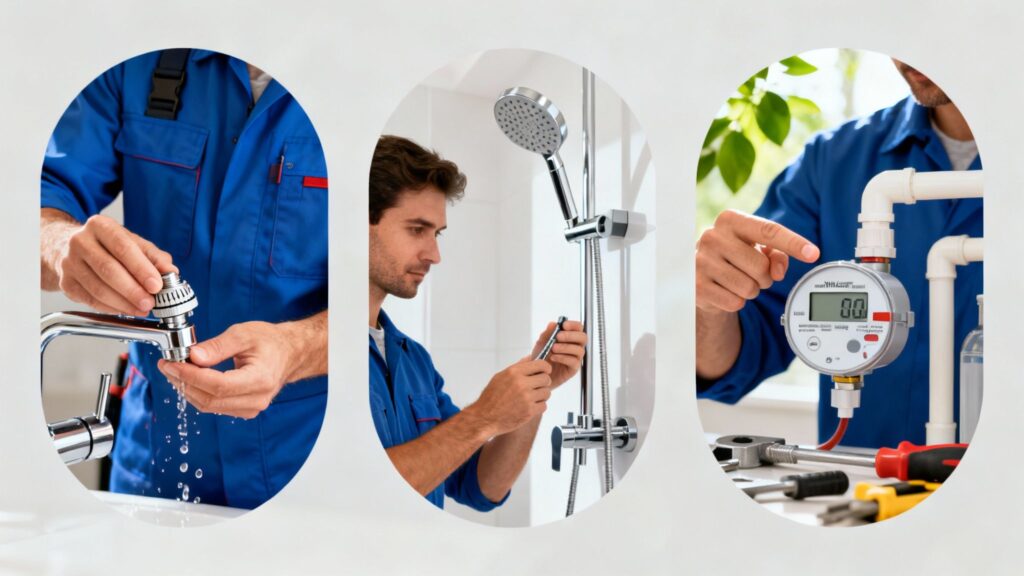
For homeowners in Salinas, Monterey, and across the Central Coast, the writing is on the wall: water is precious and getting more expensive. With recurring drought conditions and state conservation goals increasing in 2026, it has never been a better time to make your home more water-efficient. The good news is that modern plumbing solutions can drastically reduce your usage without sacrificing comfort. As a family-owned business serving this community since 1988, we at Alvarez Plumbing have seen firsthand how simple upgrades lead to significant savings.
This isn't just about being green; it's about smart homeownership that pays you back. This guide provides 3 ways to cut water waste in 2026 (plumber approved), moving beyond generic tips to offer actionable, professional advice. We will explore specific upgrades, from high-efficiency fixtures to smart recirculation pumps, that deliver real results on your utility bills.
While focusing on indoor plumbing is crucial, remember that outdoor water use also impacts your bill. Discover how to implement 10 ways to create a drought-resistant landscape design to complement your indoor conservation efforts. Let’s get started on preparing your home for a more sustainable and cost-effective future.
1. Way #1: Upgrade to Smart, Water-Saving Fixtures and Toilets
When it comes to cutting water waste, the most impactful place to start is with the fixtures you use every day. Your toilets, faucets, and showerheads are the front lines of water consumption. Older fixtures, especially those installed before the 1990s, are notorious water guzzlers, and replacing them is one of the smartest ways to cut water waste in 2026.
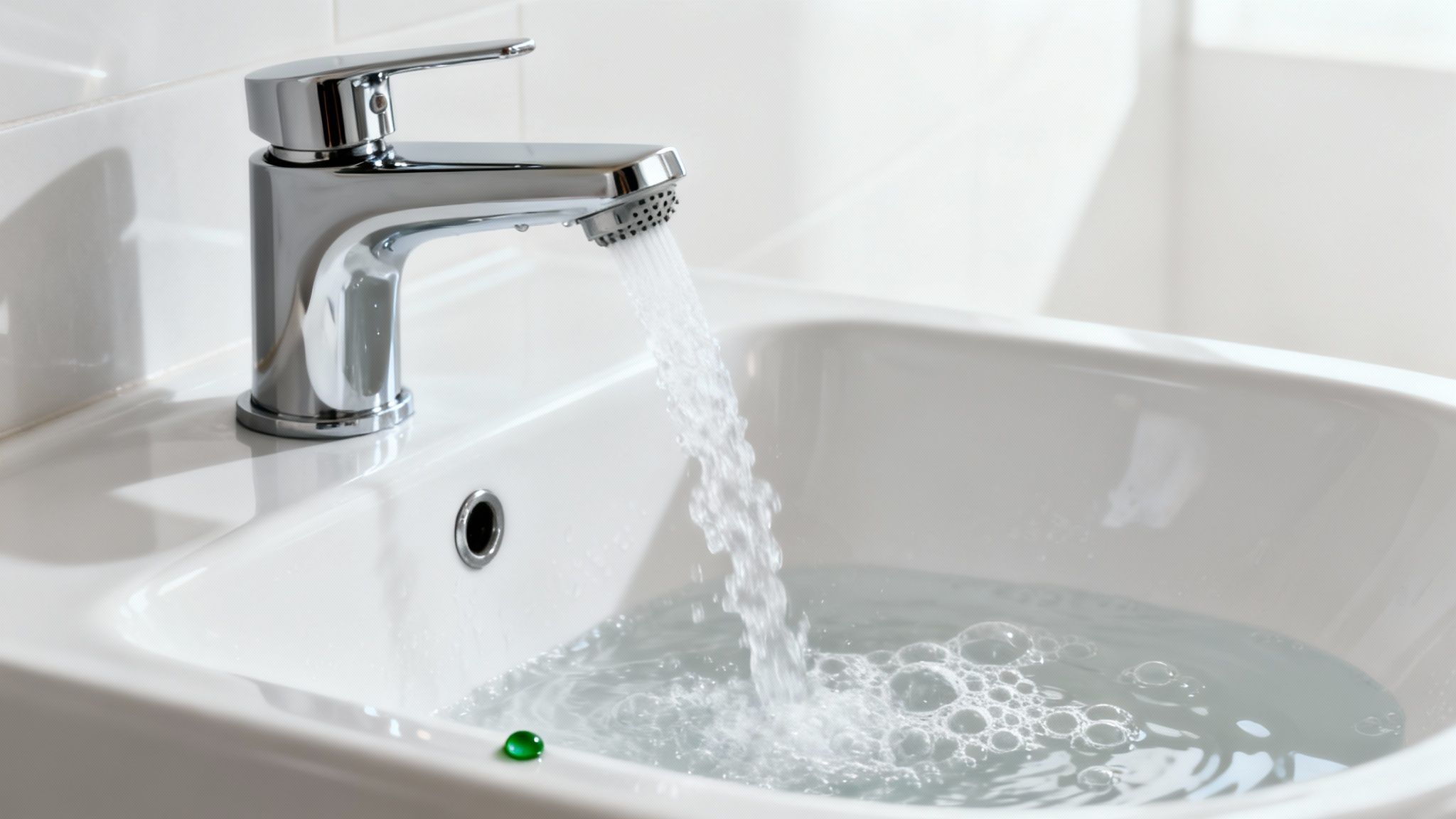
The difference in water use is staggering. An old toilet can use up to 7 gallons per flush (GPF), while modern high-efficiency toilets (HETs) certified by the EPA’s WaterSense program use just 1.28 GPF or less. That switch alone can save a typical family over 13,000 gallons of water per year. Modern WaterSense-certified faucets and showerheads can reduce water use by up to 30% without affecting performance.
Why This Upgrade is a Game-Changer
Upgrading your fixtures is a key step in future-proofing your property against rising water costs and increasing drought pressures in Monterey County. With state rebates and conservation goals on the rise, these modern fixtures offer a permanent, passive way to save water. You don't have to change your habits to see a significant drop in your utility bills.
Plumber's Insight: We frequently see clients in older Castroville and Salinas homes who are shocked to learn their toilets use over three times the water of a new model. The long-term savings from a simple toilet upgrade often pay for the installation cost within a few years, especially with local rebates.
Your Action Plan for Upgrading Fixtures
Ready to start saving? The best first step is to have a professional plumber assess your home to identify where you're wasting water. Here’s a brief summary of what we look for:
- Identify Your Biggest Water Wasters: We start with the fixtures you use most often. This is typically the toilet in your primary bathroom, the kitchen sink faucet, and your main shower.
- Look for the WaterSense Label: We always recommend fixtures with the EPA WaterSense label. This certification guarantees the fixture meets high standards for both water efficiency and performance.
- Check for Local Rebates: Before you buy, we help you check the Monterey Peninsula Water Management District (MPWMD) website or your local water provider’s page. They often offer valuable rebates for upgrading.
- Plan Your Installation: While changing a faucet aerator is simple, toilet installations or replacing old fixtures can be tricky. A professional installation from Alvarez Plumbing ensures a leak-free seal and proper function, preventing costly water damage.
For more information on selecting and installing the right fixtures for your home, our team can help you find the perfect fit. To explore your options, you can learn more about our faucets and fixtures services in Salinas. Upgrading is a smart investment that pays for itself in water savings.
2. Install a Hot Water Recirculation Pump
Beyond upgrading fixtures, one of the most underrated eco-upgrades is tackling the water wasted while you wait for it to get hot. A hot water recirculation pump is a game-changing tool that provides instant hot water at every tap while saving thousands of gallons a year. Installing one is one of the most convenient ways to cut water waste in 2026.
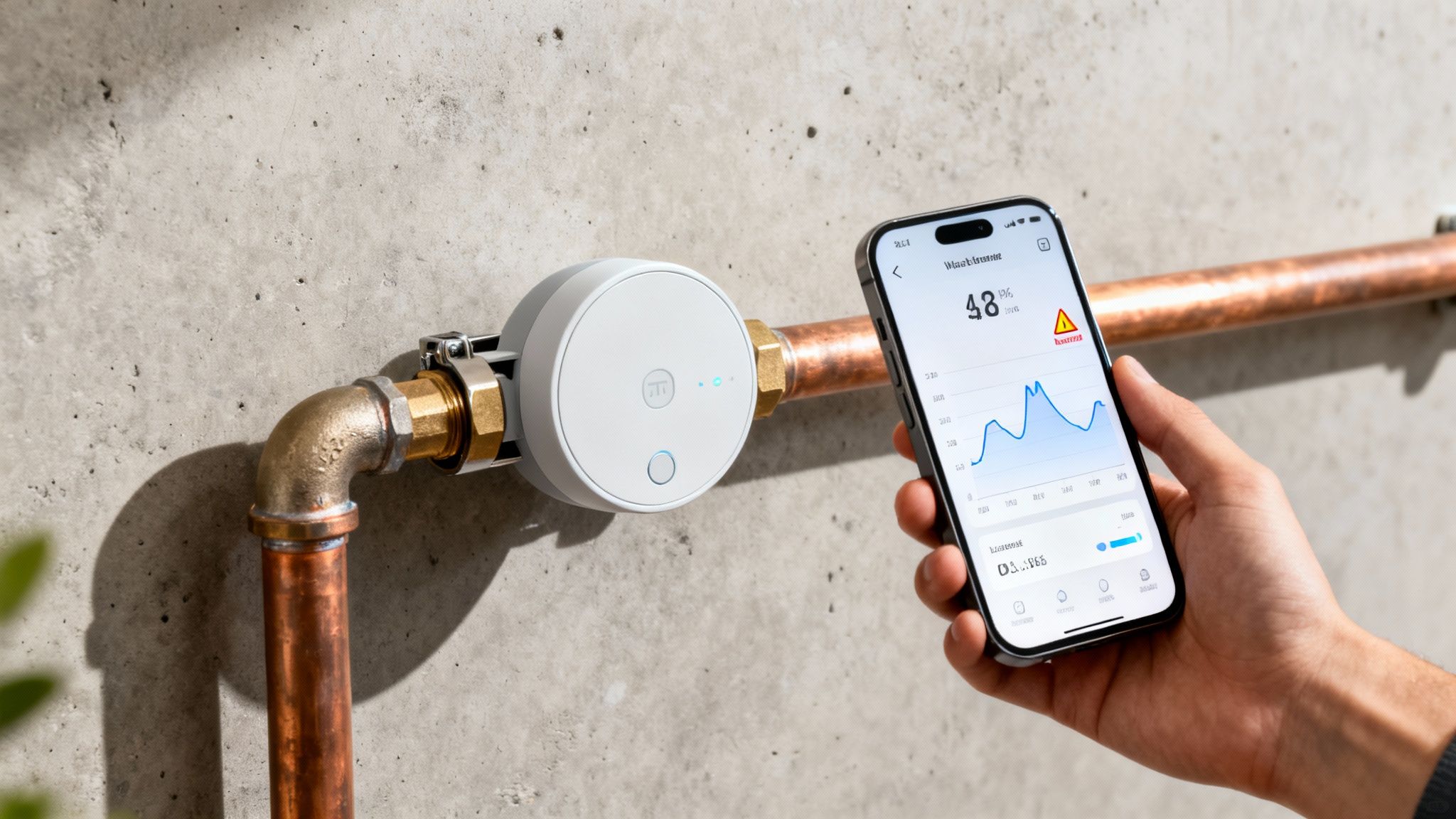
These systems create a loop that sends cooled-off water from your hot water lines back to the water heater to be reheated. This means hot water is always waiting for you. Modern "on-demand" pumps are the most efficient; they are activated by a button or sensor, so they only run when you need them. This solves the problem of running the tap for minutes, which is a major source of waste in larger homes.
Why This Upgrade is a Game-Changer
A recirculation pump saves water and energy, a significant benefit for homeowners in water-conscious communities like Monterey and Carmel-by-the-Sea. You no longer have to send gallons of perfectly good water down the drain every morning. This technology makes your home greener, more convenient, and can lead to lower utility bills over time.
Plumber's Insight: We've seen recirculation pumps save our clients in Salinas and Prunedale thousands of gallons a year. It's one of the most effective eco-upgrades we recommend. It solves the annoying wait for hot water while actively conserving our precious local water resources.
Your Action Plan for Installing a Recirculation Pump
Ready to get instant hot water and stop the waste? The best approach is to call a licensed plumber. Here’s a brief summary of how we handle it:
- Assess Your Home’s Layout: We evaluate your plumbing system to determine the best type of pump for your home’s size and layout.
- Choose the Right System: We’ll recommend a top-rated system, like an on-demand model, that fits your needs and budget. We consider factors like energy use and ease of operation.
- Schedule a Professional Installation: Installing a recirculation pump involves working with your water heater and plumbing lines. A licensed plumber from Alvarez Plumbing can ensure the device is installed correctly and safely for optimal performance.
- Enjoy Instant Hot Water: Once installed, you can enjoy the convenience of hot water on demand and the peace of mind that comes with knowing you’re saving water every day.
A recirculation pump is an investment in your home's future and a crucial tool in the fight against water waste. For expert advice on which system is right for your property, our team can help.
3. Explore Graywater and Rainwater Systems
For homeowners in Monterey County who want to make a big impact, graywater and rainwater systems are gaining ground. These forward-thinking solutions reuse water for landscaping, which is a huge conservation win. As we look toward 2026, embracing these technologies is one of the most powerful ways to cut water waste.
A graywater system redirects used water from your shower or laundry machine to your garden for irrigation. This is a big deal during the dry summers we experience in Salinas and Carmel Valley. A rainwater system collects runoff from your roof in a barrel or tank, providing another free source of water for your plants. These green plumbing solutions help you save money and make your home more sustainable.
Why This Upgrade is a Game-Changer
In water-conscious areas like ours, a graywater or rainwater system isn't just an upgrade; it's a crucial conservation effort. With rising water costs and drought concerns, reusing water for landscaping offers immediate and substantial savings on your utility bills. It’s a permanent change that works around the clock to conserve water.
Plumber's Insight: We often find that homeowners can cut their outdoor water use significantly with a simple graywater system. It's a smart investment that aligns with our region’s focus on sustainability and can add value to a property. Alvarez can advise on what’s possible under local regulations.
Your Action Plan for Water Reuse Systems
Ready to take your conservation to the next level? Installing these systems requires professional expertise. Here is a brief summary of the process:
- Understand Local Codes: The first step is to understand the rules for graywater systems in Monterey County. We can help you navigate the local ordinances in cities like Seaside or Pacific Grove.
- Assess Your Property's Potential: We'll help you evaluate your landscape's irrigation needs and determine if a "laundry-to-landscape" system or a more advanced setup is right for you.
- Choose the Right System: The best choice depends on your budget, property layout, and conservation goals.
- Hire a Professional for Installation: Installing these systems involves dual plumbing lines and careful planning to prevent any health risks. A professional installation from Alvarez Plumbing guarantees the job is done right, so your system is safe, efficient, and up to code.
To learn more about what’s possible for your home, you can read about our toilet installation cost and services in Salinas or ask us about other water-saving solutions.
4. Greywater Recycling and Rainwater Harvesting Systems
For homeowners in Monterey County looking to make a profound impact on their water consumption, greywater recycling and rainwater harvesting are advanced solutions gaining significant traction. These systems go beyond simply using less water; they actively reuse and capture it, creating a more sustainable and resilient household. As we look toward 2026, embracing these technologies is one of the most powerful ways to cut water waste.
A greywater system captures gently used water from your showers, laundry machines, and bathroom sinks and redirects it for other purposes, primarily landscape irrigation. This water is perfect for keeping your garden green, even during the dry Salinas summers, reducing your reliance on fresh, potable water by up to 50%. Similarly, rainwater harvesting collects runoff from your roof into a storage tank or cistern, providing another excellent source for outdoor watering needs.
Why This Upgrade is a Game-Changer
These systems represent a forward-thinking approach to water management, turning your home into a self-sustaining water resource. With California's updated greywater guidelines making installation more accessible, homeowners in areas like Prunedale and Castroville can significantly reduce their outdoor water usage. This not only conserves a precious resource but also lowers utility bills and makes your property less vulnerable to drought restrictions.
Plumber's Insight: We're seeing more interest in these systems, especially from clients planning renovations. Integrating a greywater or rainwater system from the start is much simpler. It’s a smart investment that aligns with our region’s growing focus on water sustainability and can add significant value to a property.
Your Action Plan for Water Recycling
Ready to take your conservation efforts to the next level? Here are the plumber-verified steps to consider.
- Understand Your Local Codes: Regulations for greywater and rainwater systems vary. Before starting, it’s crucial to understand the specific rules in Monterey County or your city, like Salinas or Carmel-by-the-Sea, regarding setbacks, filtration, and approved uses.
- Assess Your Property's Potential: Evaluate your landscape's irrigation needs and your roof's surface area to determine the right size for a storage cistern or tank. Consider which greywater sources (laundry, shower) are most accessible for diversion.
- Choose the Right System: Systems range from simple "laundry-to-landscape" setups to more complex systems with filtration and pumps for toilet flushing. The best choice depends on your budget, property layout, and conservation goals.
- Prioritize Professional Installation: Due to the complexity of dual plumbing lines, filtration, and code compliance, installing these systems is not a DIY job. A licensed plumber from Alvarez Plumbing can design and install a safe, efficient, and legally compliant system that prevents any cross-contamination with your potable water supply.
These advanced solutions are a major step in making your home water-smart for 2026 and beyond. To find out if a system is right for your property, you can learn more about residential greywater systems. Investing in water recycling is an investment in a sustainable future for our community.
5. Pipe Insulation and Hot Water Distribution System Optimization
One of the most overlooked sources of water waste happens every time you turn on a hot water tap and wait. Gallons of perfectly good, cold water run down the drain while you wait for the heated water to travel from the water heater to your faucet or shower. Insulating your hot water pipes and optimizing your distribution system is a powerful, yet often forgotten, way to cut water waste in 2026.
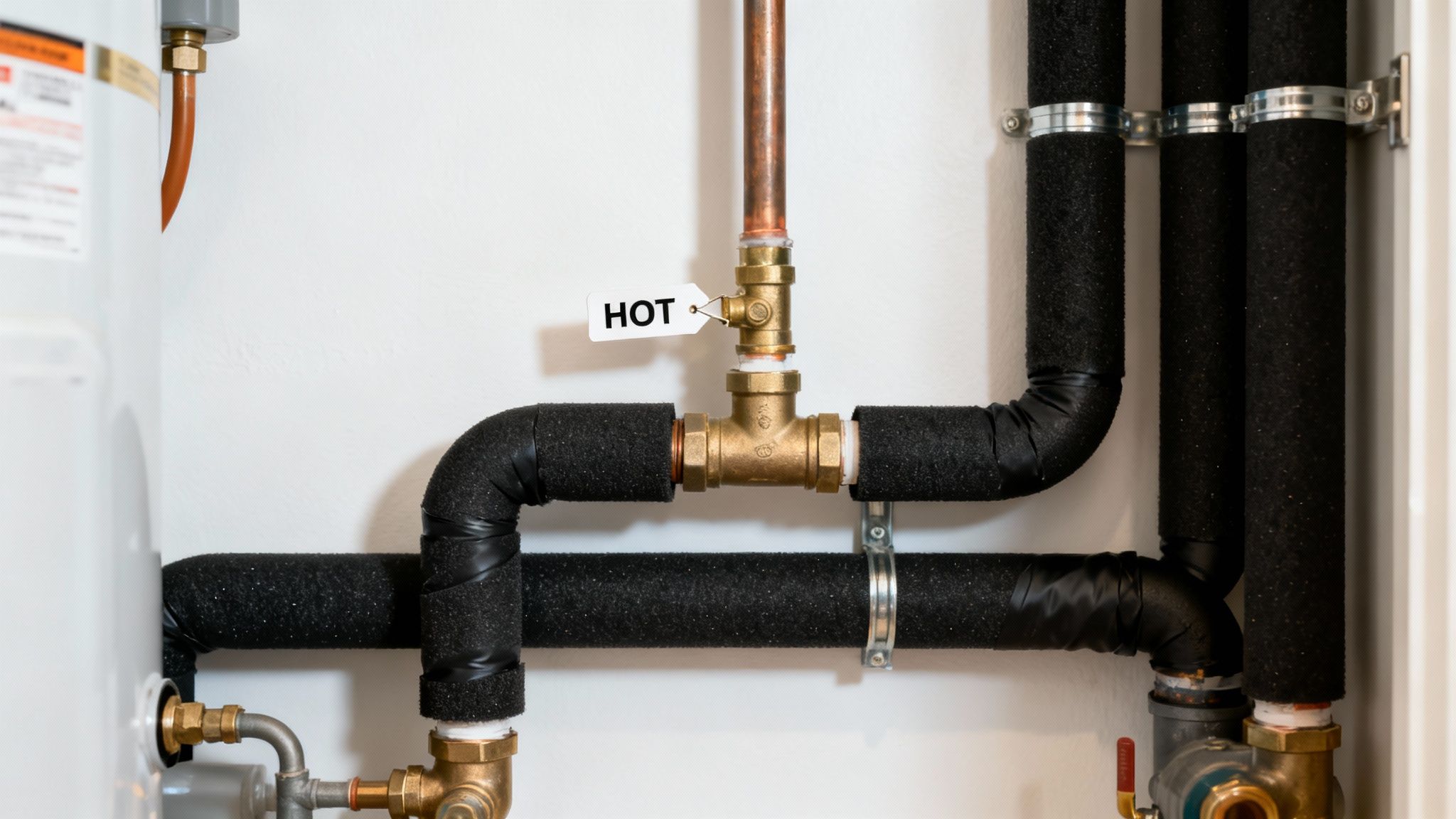
This wasted water adds up quickly, especially in larger homes. Proper pipe insulation can reduce heat loss by over 90%, meaning hot water arrives at the tap faster. When combined with modern technology like a hot water recirculation pump, you can nearly eliminate this waste entirely, saving thousands of gallons of water and significant energy costs each year.
Why This Upgrade is a Game-Changer
Optimizing your hot water system provides a dual benefit: immediate convenience and long-term conservation. In places like Monterey and Carmel Valley, where water conservation is a top priority, this upgrade offers a permanent solution that works silently in the background. You save water and energy every single day without changing your daily habits, making your home more efficient and more comfortable.
Plumber's Insight: We see it all the time in Salinas and Prunedale homes: long, uninsulated pipe runs in crawl spaces or attics that act like giant heat sinks. Installing a demand-controlled recirculation pump, like those from Grundfos, is one of the most effective eco-upgrades we recommend. It solves the annoying wait for hot water and pays for itself in water and energy savings.
Your Action Plan for Optimizing Your System
Ready to stop the wait and the waste? Here are the plumber-verified steps to take.
- Prioritize and Insulate Hot Water Pipes: Start by identifying the longest runs of hot water pipes, especially those in unheated areas like crawl spaces, basements, or attics. These are losing the most heat.
- Choose the Right Insulation: For maximum efficiency, use high-quality foam pipe insulation with at least an R-5 rating. Split-foam sleeves are easy to install for a retrofit project. Ensure all joints and corners are sealed tightly to prevent heat loss.
- Explore Recirculation Technology: Ask a professional about installing a hot water recirculation system. Modern demand-controlled pumps are the most efficient option, as they only run when you need them, preventing the energy waste of older, continuously-running systems. Timers are another great way to ensure the pump only operates during peak usage hours.
- Schedule a Professional Assessment: Optimizing a hot water system involves more than just insulation. A licensed plumber from Alvarez Plumbing can assess your home's layout, identify the best type of recirculation pump for your needs, and ensure the entire system is installed correctly and safely for maximum efficiency and water savings.
For a deeper dive into the specifics of this project, you can get more information about how to insulate pipes on our blog. Properly managing your hot water system is a smart, forward-thinking investment that enhances your home's value and sustainability.
Top 5 Plumber-Approved Water-Saving Solutions (2026)
| Item | Implementation Complexity 🔄 | Resource & Cost ⚡ | Expected Outcomes ⭐📊 | Ideal Use Cases & Tips 💡 | Key Advantages ⭐ |
|---|---|---|---|---|---|
| Low-Flow Fixture Installation | Low 🔄 Easy DIY for aerators/showerheads; toilets may need pro | Low–Moderate ⚡ Higher unit cost but rebates; payback 1–3 yrs | 25–60% water reduction; ~1,500–8,000 gal/yr | Retrofit projects; start with showerheads/aerators; check WaterSense | Immediate savings, low maintenance, rebate-eligible |
| Smart Water Monitoring & Leak Detection | Medium–High 🔄 Often requires professional install and Wi‑Fi | High ⚡ $500–2,500+ installed; possible subscription fees | Detect leaks; prevent damage; saves ~5,000–15,000 gal/yr | Older homes, high bills, rental properties; get an audit first | Early leak detection, automatic shutoff, data insights |
| Dual-Flush & High-Efficiency Toilet Replacement | Medium 🔄 Plumber recommended; remove/replace fixtures | Moderate ⚡ $200–600 per unit; $150–400 installed; rebates common | Up to 50% per-flush reduction; ~4,000–8,000 gal/yr | Homes with old high‑flush toilets; bathrooms with heavy use; verify MaP scores | High-impact water savings, reliable performance when MaP-certified |
| Greywater Recycling & Rainwater Harvesting Systems | High 🔄 Extensive plumbing, treatment, and permitting | Very High ⚡ $3,000–10,000+ whole‑home; tanks, filters, dual plumbing | 30–50% freshwater reduction; 15,000–40,000 gal/yr depending on system | Large properties, dry climates, major renovations; hire licensed pro | Largest municipal impact, irrigation supply, stormwater reduction |
| Pipe Insulation & Hot Water Distribution Optimization | Low–Medium 🔄 Insulation is DIY; recirculation pumps/controls may need pro | Low–Moderate ⚡ $0.50–$2/ft for insulation; $200–2,000 for systems | Reduces heat loss 24–97%; saves ~1,000–5,000 gal/yr + 5–10% heating | Prioritize longest runs, use demand-controlled pumps, insulate crawlspaces | Low cost, fast payback, faster hot water delivery and comfort |
Want to Make Your Home Water-Smart in 2026? Call Your Neighborly Expert.
As we look toward 2026, the need for smart water conservation across Monterey County has never been more critical. From the agricultural heart of Salinas to the coastal homes in Carmel-by-the-Sea, rising water costs and persistent drought conditions are realities we all face. This article has explored three powerful, plumber-approved ways to cut water waste, moving beyond generic advice to provide actionable strategies that deliver real savings and peace of mind.
By now, you understand that modern, low-flow fixtures and high-efficiency toilets are not about sacrificing performance. They are about embracing smarter technology that significantly reduces your household’s water footprint, often by up to 30%, without you even noticing a difference in daily routines. We also uncovered how much water is wasted waiting for the tap to get hot and how forward-thinking solutions like graywater systems can make your home more self-sufficient.
Your Path to a Water-Efficient Home
The journey to a water-smart home is a series of deliberate, impactful choices. Embracing these 3 ways to cut water waste in 2026 (plumber approved) is not just an environmental responsibility; it's a strategic financial investment. Each upgrade, from a water-saving faucet to a hot water recirculation pump, adds value to your property and puts money back in your pocket through lower utility bills and potential rebates from local water districts.
Here are the key takeaways to remember:
- Proactive Upgrades Pay Off: Don't wait for a fixture to fail. Planning your upgrades allows you to make informed decisions that align with your budget and conservation goals. Green plumbing isn’t just smart—it pays off.
- Technology is Your Ally: Modern plumbing innovations, like on-demand recirculation pumps and high-efficiency designs, offer convenience and conservation at the same time. You no longer have to choose between comfort and sustainability.
- Local Expertise Matters: Navigating local building codes in places like Pacific Grove or understanding specific water-saving incentives available to residents in Prunedale requires a plumber with deep community roots.
Ultimately, securing our region's water future begins one home at a time. By implementing these plumber-verified strategies, you contribute to the collective effort of building a more resilient and sustainable Monterey Bay area for generations to come.
Ready to talk to Alvarez Plumbing about eco-friendly upgrades tailored to your home? The family-owned team has proudly served our Salinas and Monterey County neighbors since 1988. We help homeowners save water, lower bills, and make a lasting difference. Contact us today for a professional consultation and take the first step toward a more water-wise and worry-free home.